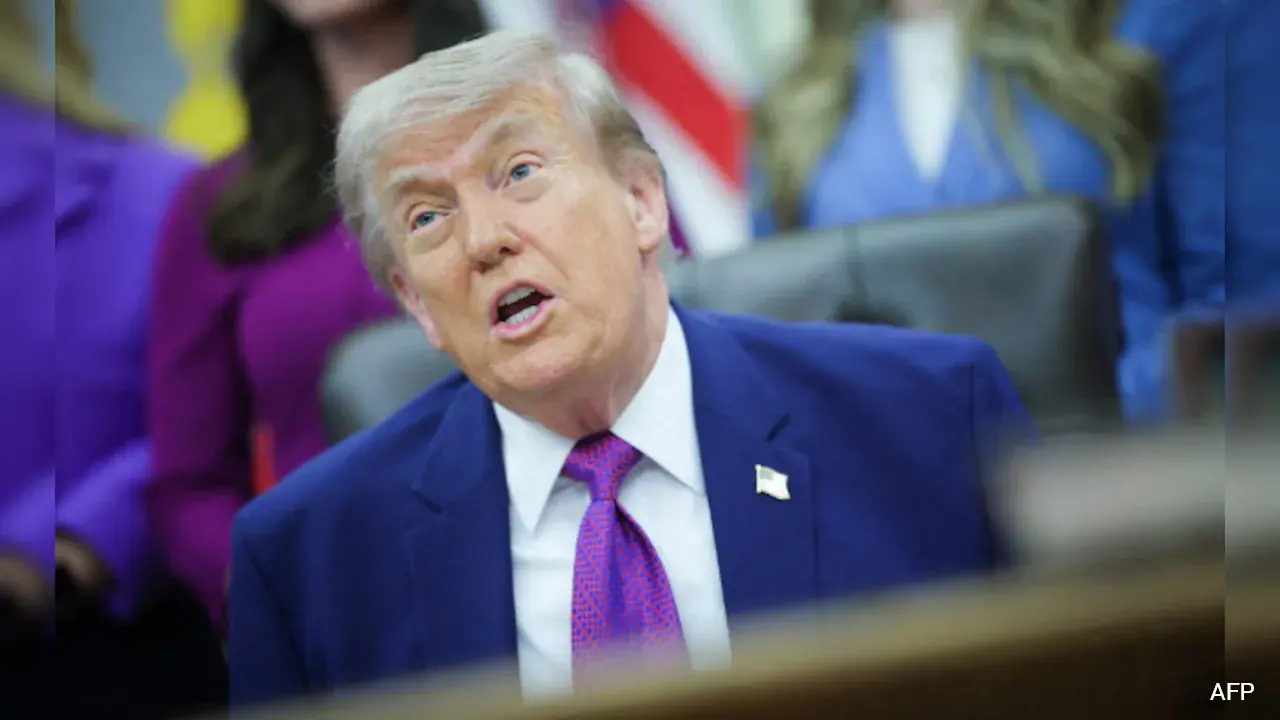
Trump business dealings took center stage this week as President Donald Trump sat down for a candid Oval Office conversation with CNBC’s Joe Kernen. In the exclusive interview, which aired Thursday, the president mounted a vigorous defense of his family’s commercial activities and his own lucrative crypto ventures, while weighing in on everything from the Supreme Court to the economy and the upcoming midterm elections.
Defending His Children’s Ventures
A central theme of the conversation was the scrutiny facing Trump’s children over their business interests. The president argued that the sheer reach of the presidency makes it nearly impossible for his family to conduct any business without someone crying conflict of interest.
To illustrate the point, Trump offered a memorable example, suggesting that even something as mundane as his children buying an energy-efficient truck could be spun as trading on inside information. His broader argument was that because presidential policy touches virtually every corner of the economy, his kids face an unusually wide net of suspicion that ordinary families never encounter.
Trump acknowledged that he advises caution. He said he tells his children to stay away from anything that might invite controversy, but he also emphasized that they deserve to live their own lives. Importantly, he noted, they were already established in business long before he ever considered running for the White House.
A Windfall From Crypto
The timing of these remarks was hardly coincidental. They followed the release of Trump’s 2025 annual financial disclosure, which revealed that he earned hundreds of millions of dollars during his first year back in office, much of it flowing from cryptocurrency ventures tied to his family.
The numbers were striking. The disclosure reported more than $580 million in crypto-related income, broken down roughly as follows:
- Around $515 million from token sales connected to Trump-linked World Liberty Financial
- Approximately $65 million from the sale of equity in the company that holds World Liberty Financial
Faced with questions about these enormous sums, Trump was unequivocal. He insisted there was nothing illegal or improper about the crypto operation. He also pointed to federal conflict-of-interest law, noting that the president and vice president are not legally required to step back from decisions that could affect their personal financial interests, an exemption that sets them apart from most other government officials.
Critics Raise Concerns
While Trump framed the arrangement as perfectly legal, his crypto earnings have drawn intense scrutiny from ethics watchdogs and political opponents. The concern centers on the unusual position of a sitting president profiting from a digital currency venture at the same time his administration shapes policy that can influence the value of such assets.
Trump’s defense leaned heavily on the letter of the law rather than the appearance of impropriety. By emphasizing that no statute compels him to recuse himself, he sidestepped the broader ethical debate over whether a president should be personally enriched by industries his own government regulates. That distinction, between what is legal and what critics view as appropriate, is likely to remain a flashpoint as the disclosures receive further attention.
Ranging Across the Issues
The interview wasn’t confined to family finances. Trump covered a broad sweep of topics, offering his views on the Supreme Court, the state of the economy and markets, tensions with Iran, the Federal Reserve, and the political landscape heading into the 2026 midterm elections.
That wide-ranging discussion gave the president a platform to project confidence about both his administration’s record and the direction of the country, even as questions about his personal business dealings continued to swirl.
On America’s “Strong” Presidency
One of the more revealing moments came when Kernen asked Trump to name his favorite U.S. president or identify a period of American history he found especially formative. Rather than single out a predecessor, Trump offered a blunt assessment of the office’s history, remarking that the nation has endured some very bad presidents.
He quickly pivoted to a recent Supreme Court ruling widely interpreted as expanding presidential authority. That decision allows the president to remove members of independent federal agencies that perform executive-branch functions, effectively strengthening the chief executive’s grip over the sprawling federal bureaucracy.
Trump embraced the ruling enthusiastically, framing it as a boost not just for himself but for the presidency as an institution. He described the American presidency as a uniquely strong office, drawing a contrast with leaders in other countries who, in his telling, hold the title of president but wield far less real power.
A Message of Renewed Respect
Trump closed that portion of the conversation on a triumphant note, tying the expanded powers of the office to what he characterized as a restoration of American standing on the world stage. He asserted that the United States is respected again, perhaps more than ever before.
Reaching back to the recent past, he claimed that the country had been laughed at just a year and a half earlier, but insisted that mockery has since given way to respect. It was a characteristic flourish, blending his views on institutional power with his familiar narrative of national revival under his leadership.
The Bigger Picture
Taken together, the interview offered a window into how Trump intends to navigate the collision between his role as president and his family’s ongoing business empire. His argument rests on two pillars: that the scope of the presidency makes total separation impossible, and that the law does not require him to divest or recuse.
Yet the eye-popping crypto figures ensure that questions about conflicts of interest won’t fade quietly. As the 2026 midterms approach and Democrats look for lines of attack, the intersection of Trump’s personal wealth and his policy decisions is poised to remain a contentious issue.
For now, the president appears entirely comfortable defending both his children and his own ventures in public, betting that voters will judge the legality of his conduct more favorably than his critics judge its optics. Whether that calculation holds up under continued scrutiny may prove to be one of the defining financial and political storylines of his second term.
Author