An ICE arrests surge at the close of June has revealed a striking new chapter in the Trump administration’s immigration strategy, with Immigration and Customs Enforcement taking roughly 10,000 people into custody over just five days. The figures signal that while the agency has stepped away from the dramatic, headline-grabbing raids of earlier months, the pace of arrests hasn’t slowed at all. If anything, it’s accelerating.
A Massive Five-Day Push
According to a person familiar with the data who spoke on the condition of anonymity, ICE detained about 10,000 individuals over a stretch running from Friday through Tuesday at the end of June. Because this information has not been officially released, it offers a rare glimpse into the scale of current enforcement.
The math is sobering. Those numbers work out to roughly 2,000 arrests per day, a dramatic clip by any recent measure. It remains unclear precisely where these arrests took place, and the spike was first brought to light by reporting from The New York Times.
From Loud Raids to Quiet Operations
What makes this surge particularly notable is how it happened. The administration appears to have deliberately traded its previous playbook, splashy sweeps through major American cities, for a quieter, less visible approach to hitting President Trump’s deportation targets.
In other words, the agency is no longer concentrating its firepower on individual cities in dramatic fashion. Instead, it’s pursuing the same aggressive goals through methods that draw far less public attention. The result is a crackdown that continues to intensify, even as it generates fewer viral confrontations.
The Department of Homeland Security defended the effort in forceful terms. In a statement, the agency emphasized that its law enforcement has been fulfilling Trump’s promise to arrest and deport those it describes as criminal offenders, including violent criminals, gang members, and others. Its message, the department said, is unambiguous: anyone entering the country illegally will be found, arrested, and deported.
Detention Numbers Climb Too
The rise in arrests coincides with a swelling detention population. The number of people entering ICE detention facilities jumped in June to around 39,000, a notable increase from the roughly 30,000 per month the agency had maintained since February.
That climb suggests the surge isn’t just a brief blip but part of a broader escalation in enforcement capacity and activity. More arrests naturally feed into more detentions, and the June figures reflect that upward momentum across the system.
Putting the Numbers in Context
One challenge in evaluating these figures is that ICE does not publicly release its arrest data, making direct comparisons with past periods difficult. Still, analysis of available data paints a clear picture of just how sharp this increase is.
Consider how the recent daily average stacks up against earlier benchmarks:
- The late-June surge averaged about 2,000 arrests per day.
- December, previously the busiest month since Trump took office, averaged just 1,283 arrests per day.
- January, even amid a heavy enforcement presence in and around Minneapolis, averaged roughly 1,212 per day.
- By February, the daily average had fallen to about 1,057.
Against those figures, 2,000 arrests a day represents a substantial jump, effectively doubling some of the earlier rates. Much of this comparison relies on data provided to UC Berkeley’s Deportation Data Project, which obtained ICE records through a Freedom of Information Act lawsuit. That data, however, only runs current through February, underscoring how little transparency exists around more recent operations.
The Minneapolis Turning Point
To understand why the strategy shifted, it helps to look back at events in Minnesota. In January, the administration flooded Minneapolis and the surrounding region with hundreds of immigration enforcement officers as part of an intense crackdown.
That operation became a pivotal moment, and not in the way officials intended. The situation turned tragic when two American citizens were killed by immigration officers while protesting the enforcement surge. The fallout prompted a significant recalibration.
In the aftermath, Border Czar Tom Homan began reducing the number of officers deployed in Minnesota, and the agency pulled back from the flashy, confrontational surge operations that had defined an earlier era of enforcement.
A Change in Leadership and Tone
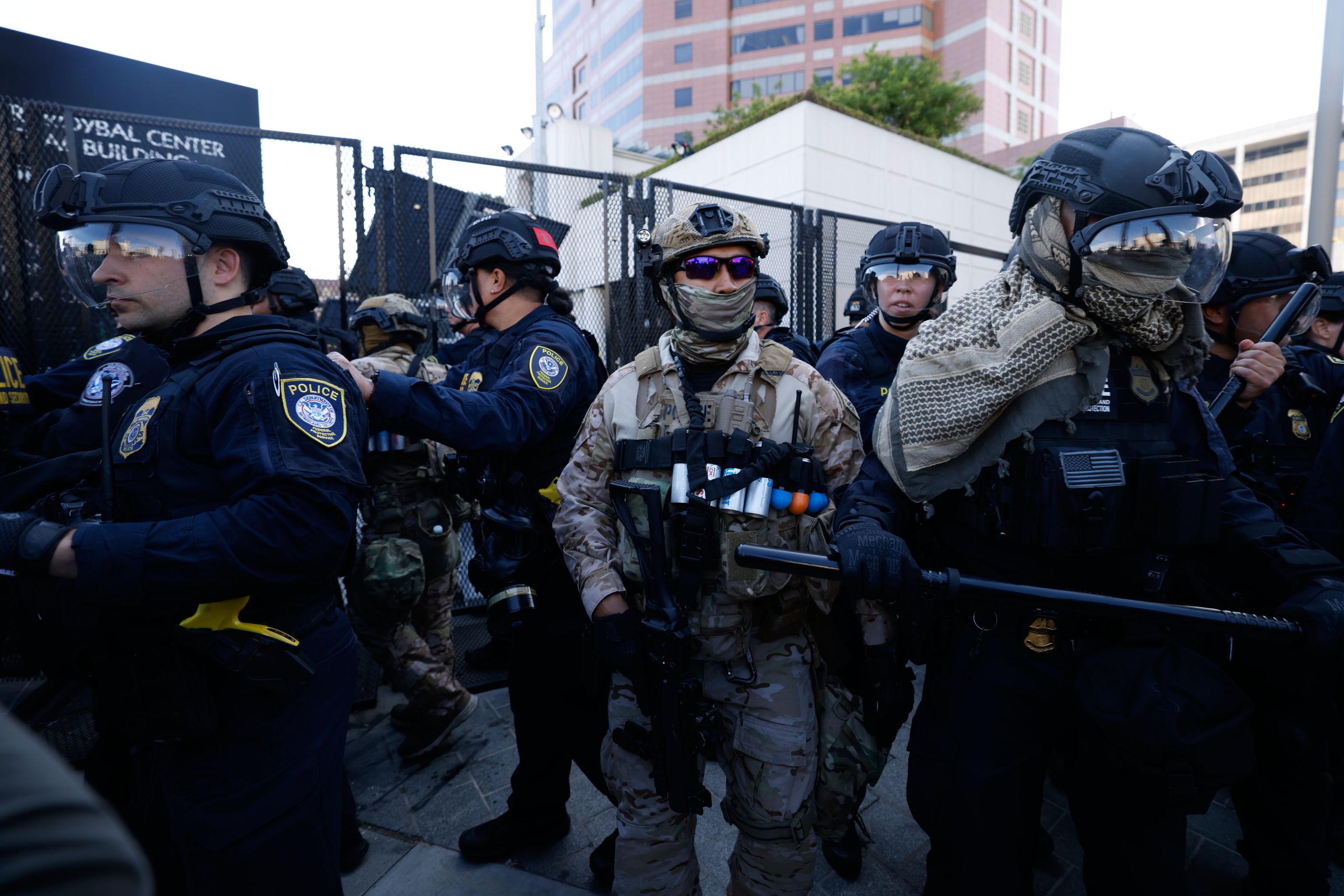
That earlier, more combative style was closely associated with then-Homeland Security Secretary Kristi Noem. Under her leadership, operations directed by former Border Patrol Chief Gregory Bovino were frequently marked by clashes between enforcement officers and protesters, confrontations that regularly appeared across the department’s social media channels.
The leadership picture changed after Noem was fired. Her successor at Homeland Security, Markwayne Mullin, signaled a different philosophy, suggesting he would adopt a more low-profile approach and work to keep the department out of the headlines. At the same time, Mullin was widely expected to remain fully committed to Trump’s underlying immigration priorities.
The late-June numbers suggest that both of those things can be true at once. The department has indeed grown quieter in terms of public spectacle, yet the enforcement machinery beneath the surface is running harder than ever.
What It All Means
Taken together, the picture that emerges is one of a strategic evolution rather than a retreat. The administration appears to have concluded that dramatic, camera-ready raids carried real political and human costs, as the Minneapolis tragedy made painfully clear. By dialing down the visibility while ramping up the volume, officials seem to be pursuing the same aggressive deportation goals through a more discreet operational style.
For immigrant communities and their advocates, the shift carries significant implications. Fewer high-profile sweeps may mean less warning and less public awareness, even as the actual risk of arrest climbs. The lack of publicly released data only deepens the uncertainty, leaving outside observers to piece together the scope of enforcement from leaked figures and hard-won records.
As the summer unfolds, the central question is whether this quieter, higher-volume model becomes the new normal. If the late-June pace holds, it would represent one of the most intensive stretches of immigration enforcement of Trump’s second term, achieved largely out of the public eye. Whatever comes next, these numbers make one thing clear: a lower profile does not mean a lighter touch, and the administration’s deportation agenda is advancing at full throttle.
Author