The dream of a sixth-generation stealth fighter took a decisive leap forward this week, as Britain, Italy and Japan committed to a landmark £4.6 billion contract to push their ambitious joint aircraft programme into its next phase. The agreement, handed to industry venture Edgewing, marks one of the most significant milestones yet for a project that could reshape the future of air combat among the three allied nations.
For a programme that has weathered delays and financial uncertainty, the announcement represents a moment of real momentum — and a strong signal that the partners intend to see it through.
A Major Commitment to the Future of Air Power
At the heart of the news lies a substantial financial pledge. Alongside the £4.6 billion contract awarded to Edgewing, the UK government confirmed it would invest £8.6 billion into the Global Combat Air Programme over the next four years.
That commitment carries added weight given the road it took to get here. The funding arrived after roughly nine months of delays, largely driven by budget constraints that had cast doubt over Britain’s ability to secure its share of the initiative. With this announcement, that uncertainty appears to have been resolved, locking in the UK’s role in the tri-nation effort.
Britain’s minister for defence readiness, Luke Pollard, framed the deal as a genuine turning point. He described the programme as one that would ultimately place a cutting-edge stealth fighter in the hands of British pilots, calling the signing of the contract alongside Italy and Japan a major step toward actual delivery.
Understanding the Global Combat Air Programme
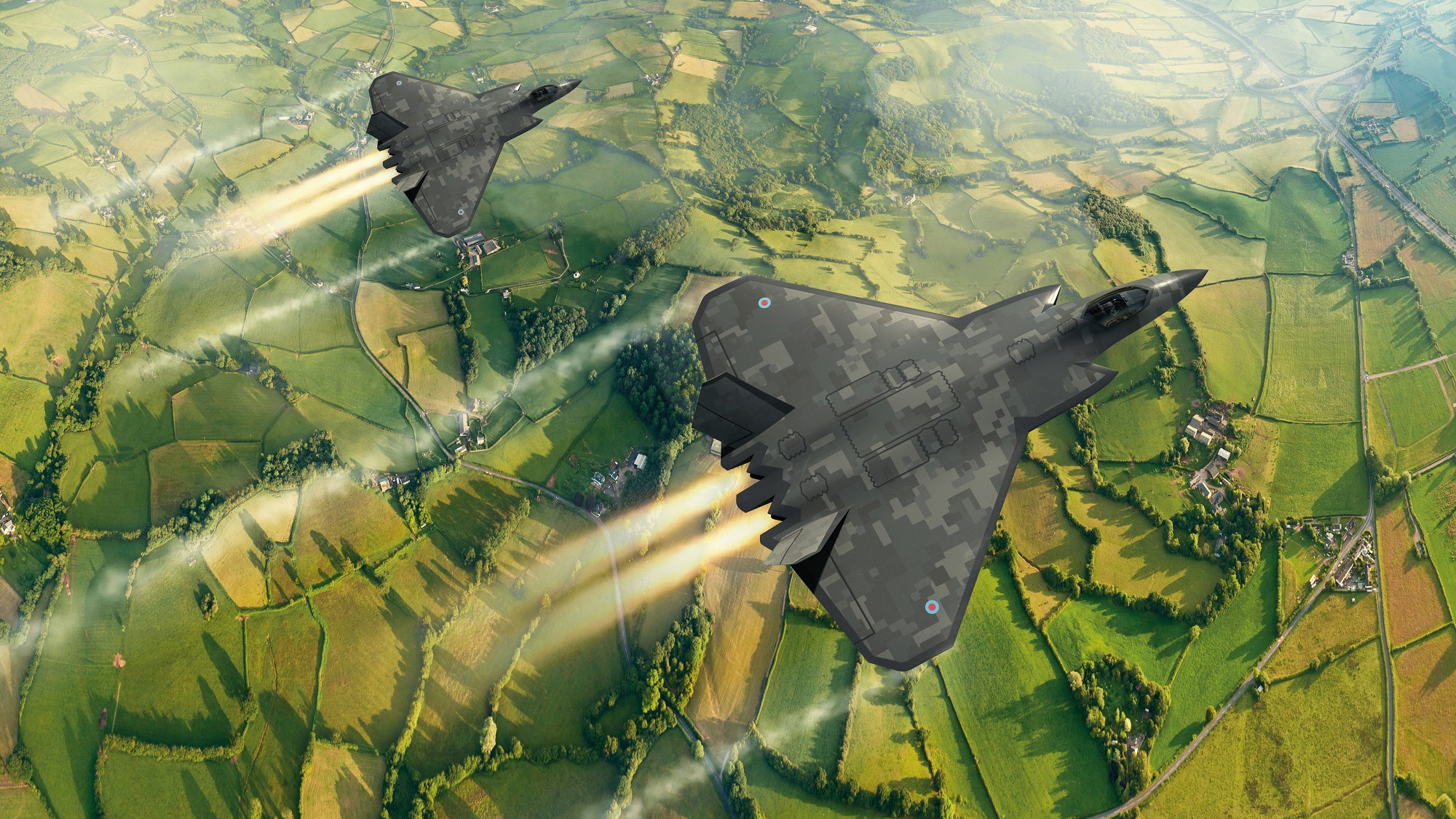
The initiative at the center of all this is known officially as the Global Combat Air Programme, or GCAP. In the United Kingdom, it also goes by the name Tempest.
The goal is both bold and clear: to develop an advanced sixth-generation stealth fighter ready for service by 2035. Three of the defence industry’s heavyweight manufacturers are leading the charge, each representing one of the partner nations:
- BAE Systems in Britain
- Leonardo in Italy
- Mitsubishi Heavy Industries in Japan
By pooling their resources and expertise, the three countries can share the enormous costs — potentially tens of billions of dollars — required to design and build such a sophisticated aircraft. Collaboration also allows them to secure larger combined orders and pursue sales in international markets, spreading the financial burden even further.
Stepping Into a Shifting European Landscape
The timing of the contract is particularly notable. It arrived shortly after a rival Franco-German fighter programme collapsed in June, throwing Europe’s defence alliances into a state of flux.
That collapse has reshaped the strategic picture considerably. With one major competing project now off the table, the likelihood that other nations might seek to join GCAP has grown. The programme suddenly finds itself in a stronger position, potentially becoming the go-to option for countries looking to invest in next-generation air power.
This shifting environment gives the three founding partners a valuable opportunity to expand their coalition and strengthen the project’s long-term viability.
The Question of Expansion
With interest potentially rising, the topic of bringing in additional partners has become an active discussion. Italy’s defence minister suggested in June that opening GCAP to other nations would help distribute the substantial costs involved. Leonardo, for its part, indicated it would make a particularly strong partner thanks to its considerable expertise.
Several countries have already shown curiosity about the programme. Both Saudi Arabia and Canada have reportedly examined the possibility of getting involved.
However, any expansion would come with conditions. Adding new members would require the unanimous agreement of the three founding nations. Executives have previously hinted that latecomers might be able to join at varying levels of involvement, allowing for flexible arrangements rather than an all-or-nothing commitment.
Inside Edgewing: The Venture Driving the Project
The company tasked with turning this vision into reality is Edgewing, the joint venture now steering GCAP’s development. Ownership is split among the three national champions, with BAE Systems, Leonardo, and Japan Aircraft Industrial Enhancement each holding a stake.
The venture reflects the collaborative spirit of the entire programme. Its headquarters are based in Britain, while its chief executive hails from Italy — a structure designed to balance influence across the partner nations.
What the New Fighter Might Look Like
While many details of the aircraft remain closely guarded, some early hints have emerged about its design. According to BAE Systems, the new fighter is expected to be noticeably larger than the current Eurofighter Typhoon.
Specifically, the aircraft is projected to be around three to four metres — roughly 10 to 13 feet — longer than the Typhoon. That additional size is tied to a key capability: the new jet is being designed to fly a considerably longer range, an increasingly valuable trait in modern aerial operations where distance and endurance can prove decisive.
Why This Matters
Beyond the impressive figures and technical specifications, the significance of this contract lies in what it represents. For Britain, Italy, and Japan, the Global Combat Air Programme is more than just an aircraft — it’s a strategic investment in sovereignty, industrial capability, and long-term security.
By committing serious funding and formalizing the next phase of development, the three nations have sent a clear message that they are serious about delivering a genuine sixth-generation stealth fighter within the next decade. The collaboration also deepens ties between the partners, binding them together in a shared endeavor that spans continents.
The Road Ahead
Challenges undoubtedly remain. Developing a fighter of this sophistication is a monumental undertaking, and the 2035 target leaves little room for complacency. Budgets, technical hurdles, and the complexities of coordinating across three nations will all need careful management.
Yet with this £4.6 billion contract now signed and substantial funding secured, the programme has cleared a crucial obstacle. What was once slowed by delays and financial doubt now moves forward with renewed purpose.
If the partners can maintain this momentum, the skies of the 2030s may well be patrolled by an aircraft born from one of the most ambitious defence collaborations of its era — a testament to what allied nations can achieve when they pool their talent, resources, and vision toward a common goal.
Author