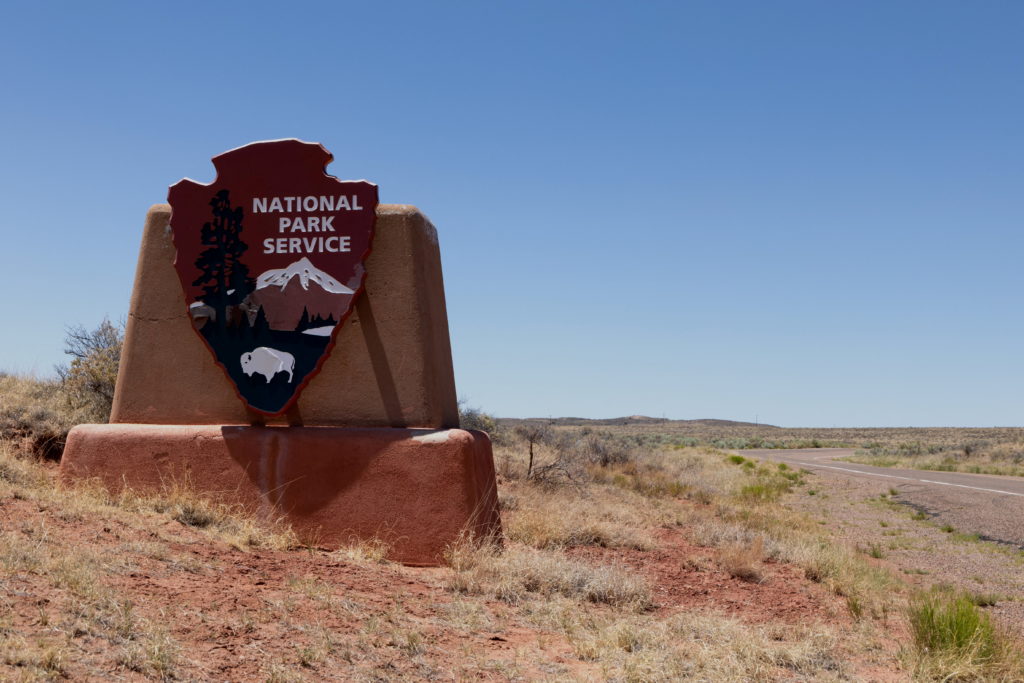
A national park signs ruling out of Massachusetts has dealt a sharp setback to one of the Trump administration’s most contested cultural directives, with a federal judge ordering the restoration of every sign, display, and exhibit that was changed or removed at national parks across the country.
A Scathing Decision
In a blistering 63-page opinion issued Friday, U.S. District Judge Angel Kelley made clear she saw the administration’s effort as a distortion of the historical record. She wrote that the government, while claiming to promote American dignity, was effectively ordering the removal of any signage and interpretive material that didn’t fit its preferred narrative, leaving the public with half-truths.
Kelley, who was appointed by President Joe Biden, set a firm deadline: the restoration must be finished by July 3, just ahead of the nation’s 250th birthday. She also barred the administration from making any further alterations to park exhibits while the case proceeds, and required weekly status reports documenting progress.
The judge leaned heavily on the idea that national parks are educational institutions, not just scenic landmarks. She described them as a cornerstone of public learning, often called “America’s largest classroom,” that exist to tell the stories of both the powerful and the overlooked. History, she argued, demands unvarnished storytelling, and the government’s stewardship of these sites carries a duty to present the full picture rather than favored fragments — a responsibility she concluded the administration had disregarded.
How the Dispute Began
The roots of the case trace to March 2025, when Trump signed an executive order titled “Restoring Truth and Sanity to American History.” The directive instructed the Interior Department to act against public content that, in the order’s words, inappropriately disparages Americans past or present.
That mandate set off a wave of changes across the National Park Service. According to Save Our Signs, an advocacy group tracking the alterations, at least 45 signs were modified, spanning subjects from climate change to Native American history.
Some of the specific removals cited in the litigation stand out:
- At Grand Teton National Park in Wyoming, a marker noting 19th-century explorer Gustavus Cheyney Doane’s role in a massacre that killed at least 173 Piegan Blackfeet was taken down.
- At South Carolina’s Fort Sumter National Monument, an entire sign was removed that had explained how rising seas could eventually inundate much of the fort’s walls and flood its historic parade ground.
Broader reporting indicates the effort touched hundreds of park sites and included changes such as removing references to the enslaved people at George Washington’s properties and altering displays at other historic locations.
The Lawsuit Behind the Ruling
Friday’s decision stems from a lawsuit filed in February by a coalition of conservationists, historians, and scientists against the Interior Department and the National Park Service. The plaintiffs accused the administration of waging a sustained campaign to erase history and undermine science.
The groups, which included the National Parks Conservation Association among others, asked the court to set aside the executive order, reinstate the altered materials, and block similar policies going forward.
Reaction From the Advocates
For those who brought the case, the ruling landed as a major victory. Alan Spears, senior director for cultural resources at the National Parks Conservation Association, called it a “big damn deal” in remarks to CNN.
Spears framed the decision as a temporary halt to what he described as the sanitization, censorship, and softening of the history told in national parks. He said the ruling would let park visitors return to receiving the full scope of American history through the interpretation the parks provide.
He also emphasized the parks’ unique role, calling them one of the largest stewards of American history and culture in the country. Tampering with the park service’s interpretation, he argued, undermines decades of work aimed at telling stories that are more accurate, more just, and more inclusive — work meant to inspire people to care about both the parks and the nation’s history, and to become better stewards of the land.
The Administration Pushes Back
The Interior Department was unmoved. In a statement Saturday, a spokesperson dismissed Kelley as a “liberal activist judge” and signaled the department was weighing an appeal.
The statement also took a celebratory turn, noting that the department would review its appeal options while marking UFC Freedom 250 on the White House South Lawn that weekend in honor of the nation’s 250th anniversary and in tribute to President Trump. Elsewhere, department officials have defended the broader initiative as a preservation effort, arguing that critics were ignoring the facts and that most flagged materials across the park system had remained unchanged.
What Happens Next
For now, the injunction stops the removals and sets a clear timeline for putting the altered exhibits back in place before the July 3 deadline. Whether the administration follows through quietly or escalates the fight through an appeal remains to be seen.
This case is also part of a wider legal pattern, as separate courts have issued related orders restoring removed exhibits at other historic sites. Taken together, the rulings suggest the judiciary is increasingly skeptical of the claim that the executive branch can unilaterally decide which chapters of American history the public gets to see.
Author