After months of stalled negotiations, a bipartisan Russia sanctions bill appears to have cleared its biggest obstacle: the White House.
Four US senators announced Friday that they had struck an agreement with the Trump administration on updated legislation targeting Russia — a development that could give Washington significant new leverage over Moscow’s energy revenues, and over the countries still buying them.
The Announcement
Senators Richard Blumenthal, Lindsey Graham, Jeanne Shaheen and Roger Wicker released a joint statement confirming the breakthrough.
They said they were proud to have reached agreement with the administration to advance the updated sanctions legislation, described the progress as significant, and indicated the bill would be unveiled shortly.
Their reasoning was framed in stark terms. As Russia escalates its killing of civilians, they argued, Congress and the executive branch must work in concert to build tools that impose real costs on those purchasing Russian oil and natural gas — purchases that, in their view, directly finance Putin’s war effort.
The White House did not immediately respond to requests for comment.
Graham in Kyiv
The announcement landed while Graham was in Ukraine, wrapping up his tenth visit to the capital.
Speaking to reporters after meeting President Volodymyr Zelenskiy, the South Carolina Republican was unambiguous about what the deal means.
“We’ve reached an agreement with the White House on a version of the Russian sanctions bill that they will support,” he said. “It means it’s going to become law.”
That confidence matters. Legislation targeting Russia has repeatedly stalled in Congress, often because the administration’s position remained unclear. An explicit signal of presidential support removes the primary reason lawmakers had to hesitate.
What the Bill Would Actually Do
The core mechanism is what analysts call secondary sanctions — punishing not Russia directly, but third countries and entities that continue doing business with it.
Specifically, the legislation would impose penalties on nations trading with Russia, with particular focus on buyers of its energy exports. The trigger is Moscow’s refusal to negotiate a genuine peace settlement with Ukraine.
Russia invaded Ukraine in February 2022. The war is now in its fifth year.
Graham has been assembling the bill for months alongside colleagues from both parties, a rare instance of sustained bipartisan cooperation on foreign policy.
The Timing Problem
There is a complication, and it is not a small one: oil prices.
Fresh military strikes on Iran have already put upward pressure on global energy markets. Sanctioning buyers of Russian crude would tighten supply further, potentially driving prices higher still — a politically uncomfortable outcome for any administration.
Washington also allowed a license permitting the purchase of Russian seaborne oil to expire last month. That license had been designed to give vulnerable countries some breathing room during the energy crunch.
Together, these developments mean the sanctions bill would land in an already strained market. Supporters argue the pressure is necessary regardless. Skeptics note that energy sanctions have a way of hurting the countries imposing them.
Zelenskiy’s Response
The Ukrainian president welcomed Graham’s backing publicly, framing sanctions and battlefield strength as two halves of the same strategy.
Writing on X, Zelenskiy argued that the stronger Ukraine performs militarily, the more likely diplomacy is to eventually succeed. He said it was essential that long-range sanctions pressure on Russia be reinforced through new measures from Ukraine’s partners.
The message was clear: military aid alone will not end this. Economic strangulation must accompany it.
A Notably Warmer Trump
The sanctions agreement follows a striking shift in tone from the president himself.
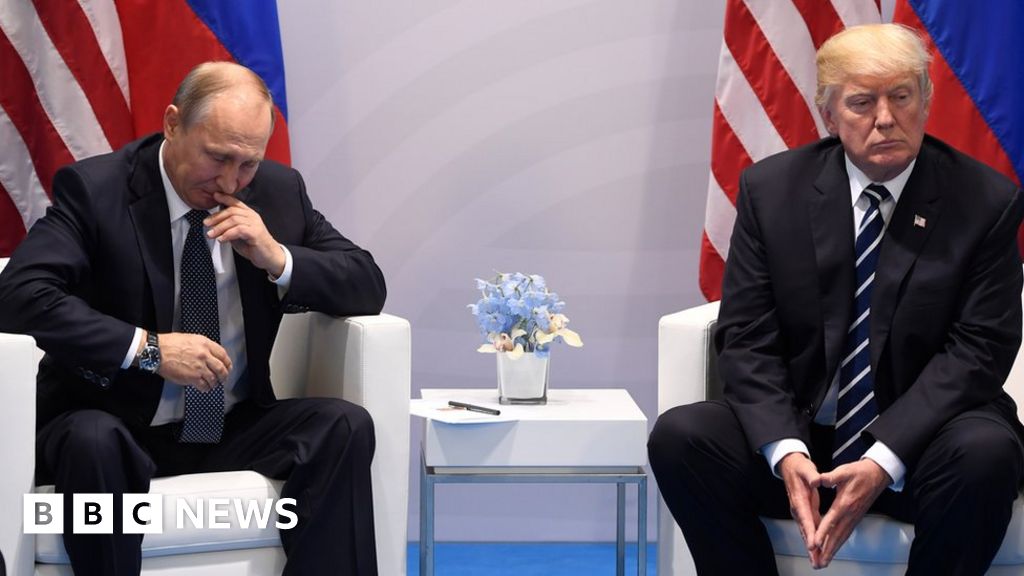
Trump met Zelenskiy earlier this week in Ankara — a meeting that bore little resemblance to their previous encounters. Trump has, in the past, criticized the Ukrainian leader harshly, at one point calling him “ungrateful.”
This time was different. During the Ankara talks, Trump announced the United States would grant Ukraine a license to manufacture Patriot missile interceptors, a capability Kyiv has sought for a long time. Domestic production would ease Ukraine’s dependence on foreign supply chains for one of its most critical air defense systems.
Speaking Wednesday, Trump described the relationship between the two men as “very good,” and claimed that both Moscow and Kyiv want the war to end.
What Comes Next
The senators say the legislation will be rolled out soon. With administration support secured, its path through Congress becomes substantially clearer.
The open questions are practical ones:
- How aggressively will the secondary sanctions be enforced, and against whom?
- Will major energy buyers face real penalties, or carve-outs?
- How will oil markets absorb the shock alongside the Iran strikes?
- Does economic pressure actually move Putin toward the negotiating table, or simply deepen Russia’s pivot toward alternative buyers?
For now, what has changed is significant but narrow. A bill that spent months in limbo now has a president behind it. Whether that translates into a peace settlement — the stated goal of everyone involved — is a far harder question, and one no piece of legislation can answer on its own.
Author