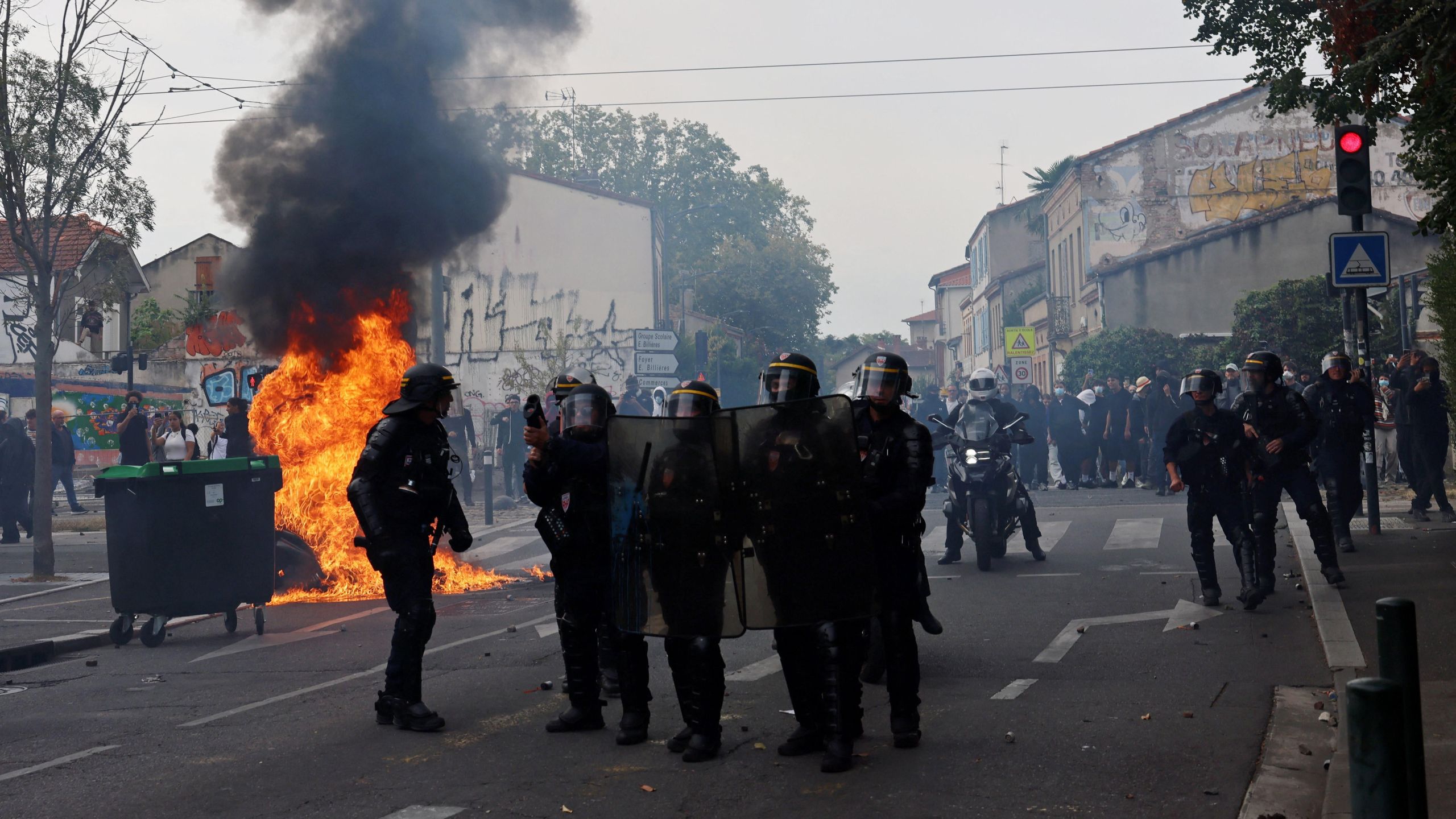
French school protests have turned a parent’s ordinary school run into something far more tense. A British journalist living in Paris, whose daughter attends a school that closed this week, argues that the demands of the students are hard to dismiss, and that the angry national debate around them offers a taste of what next year’s presidential campaign could look like.
Demands That Are Hard to Argue With
The students want investment in crumbling buildings, replacements for absent teachers, smaller classes, lighter timetables and a narrowing of the gap between schools in richer and poorer areas. Online videos of rat-infested, flooded and falling-apart classrooms show why these complaints have struck a chord.
On Tuesday, protesters staged what they called the third act of their movement, a day of action billed as the biggest so far. More than 400 schools closed as a precaution, including the writer’s daughter’s combined middle and high school.
Life Around the Blockades
The writer’s 11-year-old daughter is too young to take part, but she described fireworks, burning bins and smoke as she ran through the school gates one day last week. On Tuesday morning, the gates were blocked with bins and about 50 teenagers, one of them dressed as Batman, stood behind their banners. The mood was calm, and attention soon moved to the afternoon march across central Paris.
Violence and Policing Under Scrutiny
Some protesters have been violent, but the policing has drawn sharper criticism. In Tours, a 16-year-old lost the sight in his right eye, an injury the local prosecutor said fitted with a rubber bullet. In Lens, a student lost his hand on Monday in circumstances that are still unclear, and police are investigating.
The Government in a Tight Spot
Prime Minister Sébastien Lecornu has promised to listen and try to meet the main demands. But the writer doubts that will mean the billions needed to repair years of underfunding. The timing is awkward. The government is again trying to pass a budget full of spending cuts, including to pensions and healthcare, without a parliamentary majority. Last year it had to use special constitutional powers to avoid a vote, and this year’s budget is due for a vote in November.
A Preview of the 2027 Race
The row has already become a political brawl:
- Jean-Luc Mélenchon of France Unbowed backs the students but denies his party stirred up the unrest
- Marine Le Pen of the National Rally is calling for an anti-riot law
- Socialist leader Olivier Faure urged politicians to look at the moon, not the finger, meaning the cause of the protests rather than the violence
Le Pen is the clear favourite for the first round in April 2027, and polls suggest she could reach a third run-off. The difference this time, the writer notes, is that she faced Emmanuel Macron in 2017 and 2022, a centrist many voters backed to block her. With the left and centre right fragmented, her next opponent may be easier to beat, which she says benefits nobody.
The Size of Tuesday’s March
Organisers say around 100,000 people joined the Paris march, while the interior ministry counted 56,000. Crowds were mostly calm as they walked from Place de la République to Place de la Nation, though some small groups clashed with police as evening fell.
What to Watch Next
- Whether the movement’s momentum keeps building
- Any concrete government commitments on school funding
- The outcome of investigations into the Tours and Lens injuries
- How the November budget vote unfolds
The Bottom Line
The students are asking for the basics: safe, properly staffed schools. How politicians respond, by listening or by fixating on the violence, may say a lot about the campaign to come, especially since many of today’s protesters will vote for the first time next April.
Author