
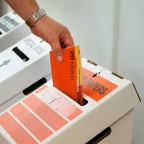

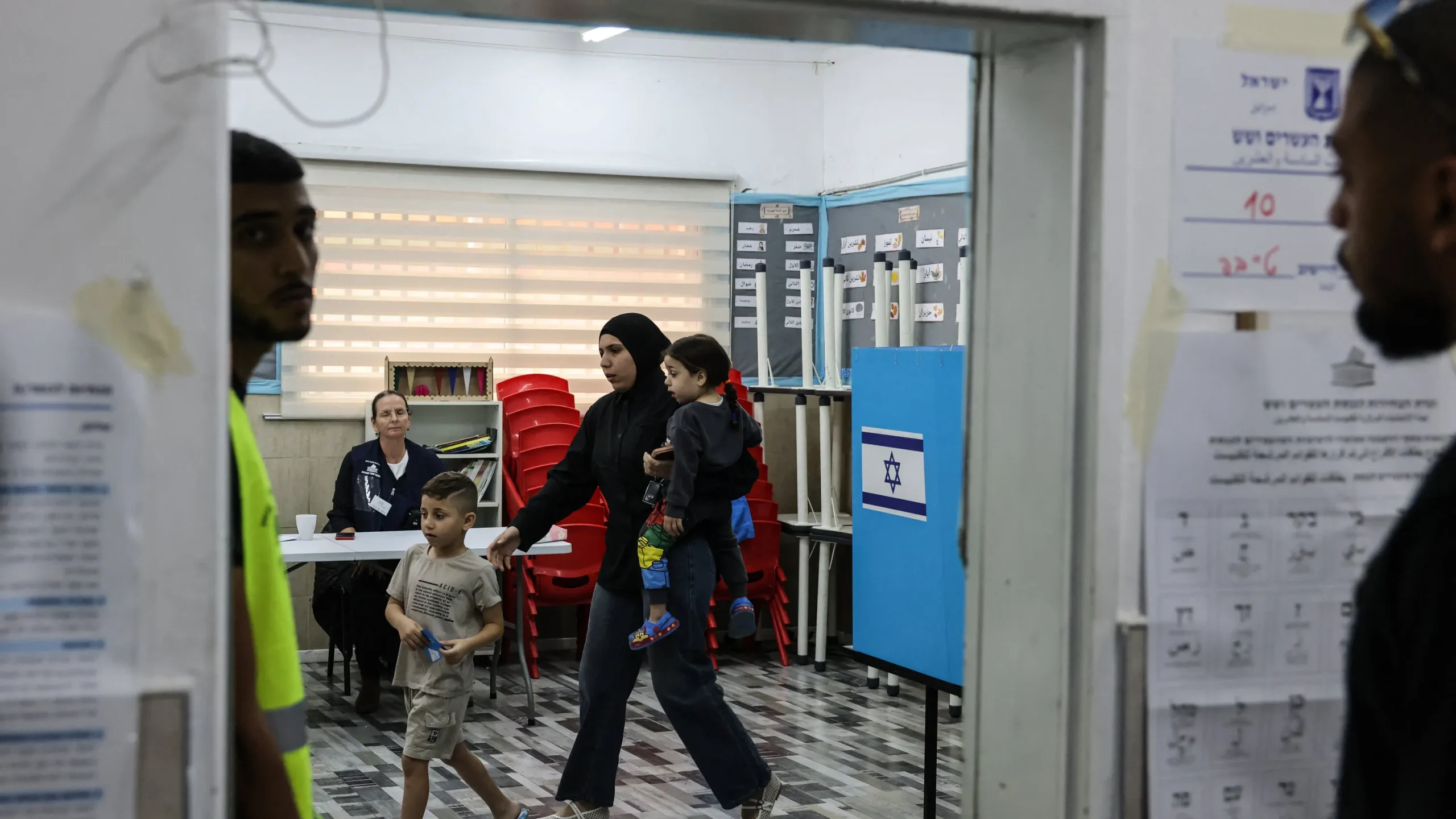
Following Israel’s inconclusive election last month, Arab-led parties have emerged as a powerful force in Israeli politics, winning 19 out of 120 seats in the Knesset. The strong showing by Palestinian citizens of Israel, who came to the ballot boxes in record numbers, has given these parties a critical role in determining who will form the next government.
The election results have highlighted the long-standing questions about Israel’s identity and the role of Palestinian Arabs in its society. Neither Prime Minister Benjamin Netanyahu’s far-right coalition nor his main challenger Gadi Eisenkot’s center-right opposition secured the 61 seats needed to form a government, making the Arab-led parties a crucial factor in the ongoing negotiations.
Jamal Zahalka, chairman of the High Follow-Up Committee, the main umbrella body representing Palestinian citizens of Israel, described the election outcome as a “historical achievement,” stating that their community had found its strength and blocked Netanyahu’s government from continuing.
In the Palestinian-majority town of Kufr Qasim, residents gathered to commemorate the victims of a 1956 massacre by Israeli border police, mourning not only their lost relatives but also the current suffering of Palestinians. The sharp rise in discrimination against their communities in Israel since the deadly Hamas-led attacks on Israel in October 2023, the war in Gaza that has killed more than 74,000 Palestinians, and the actions of Netanyahu’s extreme right-wing government in the occupied West Bank have all contributed to the increased political engagement of Palestinian citizens of Israel.
Residents of Kufr Qasim cited the worsening rights situation inside Israel as a reason for the high voter turnout among Palestinian citizens. Intisar Sarsur, a 65-year-old resident, noted that everyone she knew had participated in the elections, seeking basic rights as human beings.
The election results and the heightened influence of Arab-led parties in Israeli politics come at a time of increased tension and violence in the region, with attacks by Israeli settlers on Palestinians in the occupied West Bank during the economically and culturally significant olive harvest season.
As negotiations continue to form the next Israeli government, the role of Arab-led parties and the concerns of Palestinian citizens of Israel are expected to play a significant part in shaping the country’s political landscape and its approach to the ongoing conflicts with Palestinians in Gaza and the occupied West Bank.
Author