The Burnham cabinet appointments announced within a day of the new prime minister taking office have already produced the first signs of trouble, and the source of that trouble is instructive.
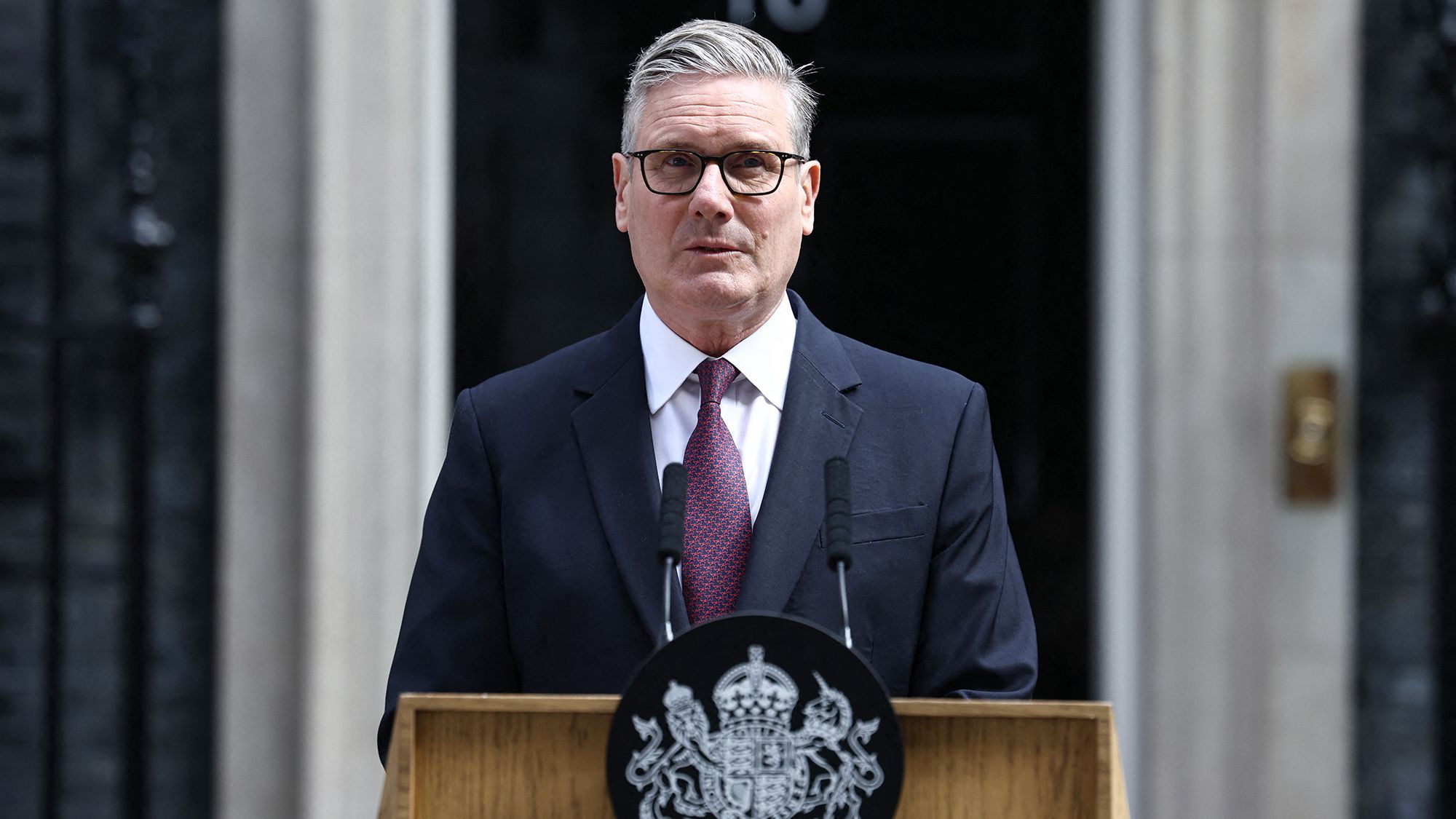
Standing outside 10 Downing Street, Andy Burnham appealed for stability and an end to the churn that has made him Britain’s seventh prime minister in a decade.
Less than 24 hours later, he faced the opening rumbles of rebellion.
Who Got the Jobs
The complaint from Keir Starmer’s supporters is specific: Burnham has filled his cabinet with the people who orchestrated Starmer’s downfall.
John Healey, who resigned as defence secretary in June, returned in the surprise role of chancellor of the exchequer. Some in Labour viewed him as a fiscally safer selection than more overtly left-wing alternatives. A Starmer supporter noted the awkward counterpoint: Healey had quit after demanding enormous increases in defence spending, which is not obviously the profile of a cautious chancellor.
Wes Streeting, who resigned as health secretary in May in an effort to trigger Starmer’s removal, is the new defence secretary. He has no discernible military background and replaced Dan Jarvis, a former soldier, a swap that has irritated defence-minded Labour MPs.
Ed Miliband, who led the cabinet revolt against Starmer, becomes foreign secretary. His net zero record has drawn repeated criticism from President Trump, which makes building relationships in Washington an immediate test.
Shabana Mahmood stays on as home secretary. That reappointment disappointed the Labour left, which had hoped both for her replacement and for the abandonment of her more hardline immigration reforms.
The Reaction
One critic described it as a divisive cabinet that breaks Burnham’s pledge to lead inclusively.
Another framed the risk differently, warning that the appointments create a long list of political enemies likely to seek revenge on the new premier at some future point.
Burnham’s allies push back, insisting the cabinet represents all factions and all regions of the party.
The Message It Sends
The strategic problem is not really about individual competence, and it is worth stating plainly.
If the people who moved against a sitting prime minister are rewarded with the great offices of state, the incentive structure for the next round of Labour MPs weighing rebellion becomes obvious.
Turn on the leader, and a seat at the top table may follow.
For a prime minister whose opening pitch was stability, that is an uncomfortable signal to be sending in week one.
The Case for the Defence
There is a coherent argument on Burnham’s side.
A new prime minister with a thin personal mandate needs a cabinet of people who actually wanted the change he represents. Appointing Starmer loyalists to senior positions would have produced a government arguing with itself over its own legitimacy.
The people who forced the transition are also, by definition, the people committed to it working.
There is also the practical matter of talent. Labour’s front bench is not infinitely deep, and excluding everyone who moved against Starmer would rule out a substantial portion of the party’s most experienced figures.
The Case Against
The counterargument is about precedent rather than personnel.
Britain has cycled through seven prime ministers in ten years, and that instability has been driven largely by parliamentary parties discovering they can remove leaders and face no cost for it.
Burnham has now demonstrated that removing a leader carries not merely no cost but positive reward. Whatever the merits of Healey, Streeting or Miliband individually, the pattern has been reinforced.
Specific Vulnerabilities
Beyond the general problem, several appointments carry particular risk:
- Healey at the Treasury means a chancellor who resigned over spending demands now controls the spending
- Streeting at Defence puts a politician with no military background over a department where that credential carries weight
- Miliband at the Foreign Office places a figure Trump has repeatedly criticised in charge of managing the relationship with Washington
- Mahmood’s reappointment leaves the Labour left with an immediate grievance and no compensating win
Each of these is survivable alone. Together they give critics on multiple flanks something to organise around.
What Burnham Actually Needs
The new prime minister’s core problem is that his political identity and his governing constraints point in opposite directions.
He rose as a regional outsider, plain-spoken and sympathetic to state intervention. He now leads a government committed to fiscal rules that limit exactly that kind of intervention.
A cabinet chosen to hold together a fractious party is a rational response to that bind. It is also a cabinet assembled from people who have already demonstrated a willingness to move against a leader when they judged it necessary.
The Coming Test
The first real measure will come when Burnham has to disappoint someone.
A budget that fails to deliver for the left, or a foreign policy decision that irritates the centre, will show whether this cabinet was built for loyalty or merely for arithmetic.
His allies say it represents every faction. His critics say that is precisely the problem, because every faction now has a champion at the table and a demonstrated route to power if their champion is denied.
Burnham asked for stability outside Downing Street. His first personnel decisions have made the case that stability, in the current Labour Party, is not something a prime minister can simply request.
Author