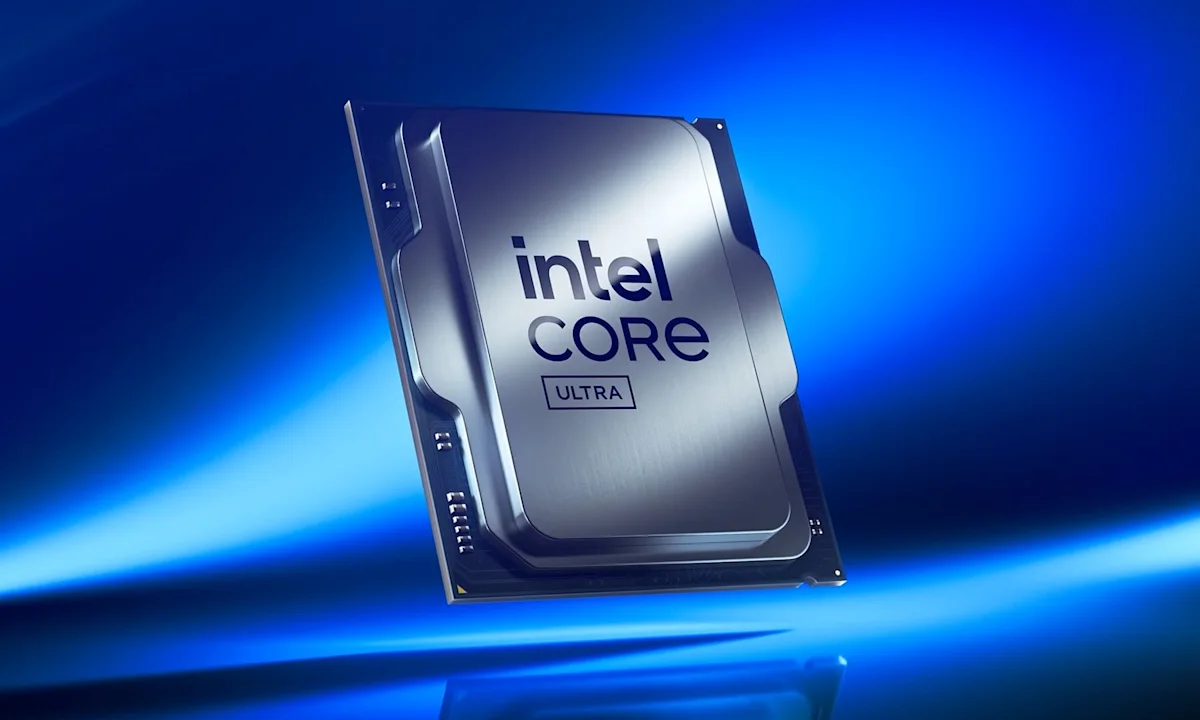
The Intel Nova Lake Edge processor is shaping up to be one of the more intriguing chip designs to emerge from Intel’s upcoming roadmap, according to recently leaked details. Unlike traditional client processors that combine performance cores with efficiency cores, this rumored variant is taking an unconventional approach—skipping P-cores entirely in favor of a setup tuned specifically for edge computing and localized AI workloads.
An Unusual but Logical CPU Design
The leak, originally shared by Golden Pig Upgrade Pack, points to a Nova Lake Edge SKU built around eight E-cores paired with twelve Xe graphics cores. For anyone used to seeing Intel’s hybrid processors stacked with high-performance P-cores, this configuration looks unfamiliar at first glance.
But once you consider where this chip is meant to operate, the design starts making a lot more sense. Edge devices and local inference systems typically don’t need bursts of single-threaded CPU power. What they do need is steady, energy-efficient compute paired with strong graphics and AI acceleration capabilities. By dropping P-cores from the equation, Intel can dedicate more silicon area and thermal headroom to the integrated GPU and E-cores, which together handle the kinds of parallel tasks edge workloads thrive on.
This isn’t a chip aimed at gaming laptops or premium desktops. It’s purpose-built for a different category of machines entirely.
What Architecture Will Power It?
The exact GPU architecture remains an open question. Some signs point toward Xe3 or possibly the newer Xe3P variant, though there’s still room for surprises. References in the leak to “X86 is dead and back” hint at a broader roadmap shift that could reshape Intel’s positioning in the edge market.
Either way, the inclusion of twelve Xe cores represents a meaningful step up from typical integrated graphics solutions, suggesting Intel sees significant upside in beefing up the GPU side of edge processors.
SR-IOV Support Adds Another Layer
Recent developments in the open-source Linux community add weight to the leak. Intel engineers have submitted Xe driver updates for Linux 7.2 that enable SR-IOV (Single Root I/O Virtualization) support for Nova Lake Xe3P integrated graphics. According to a report from Phoronix, this support extends to both Nova Lake-S and Nova Lake-P graphics within the open-source Xe driver.
This matters because SR-IOV is a virtualization technology that lets a single physical PCIe device, like a GPU, behave as multiple independent virtual devices. Each virtual function can then be assigned to its own virtual machine, opening up powerful possibilities for workload distribution.
Why a Bigger iGPU Suddenly Makes Sense
With SR-IOV in the mix, the rumored twelve Xe iGPU configuration becomes far more compelling. A larger integrated GPU isn’t just useful for rendering graphics or driving displays—it can be sliced up and distributed across multiple virtualized workloads simultaneously.
Some practical use cases include:
- Running display output for several virtual machines at once
- Handling media encoding and decoding tasks
- Powering local AI inference jobs without relying on cloud connectivity
- Supporting remote desktop sessions for thin-client environments
- Driving industrial edge applications in manufacturing and IoT setups
In this scenario, the iGPU evolves from a basic display chip into a workhorse capable of supporting diverse, simultaneous workloads. That’s a significant shift from how integrated graphics have traditionally been viewed in consumer chips.
Edge Computing Is the New Battleground
Intel’s apparent focus on edge-specific silicon reflects a broader industry trend. As AI workloads increasingly move closer to where data is generated—think factories, retail stores, autonomous systems, and smart cities—the demand for capable edge processors has skyrocketed. These environments need chips that can handle inference, video processing, and virtualization without pulling massive amounts of power or generating excessive heat.
By creating a specialized Nova Lake variant that emphasizes E-cores and graphics throughput, Intel appears to be positioning itself for this growing market segment. It’s a smart move at a time when competitors like AMD, Qualcomm, and various ARM-based chipmakers are aggressively eyeing the same opportunity.
Release Timing
When can we expect to see this chip in real products? Standard Nova Lake parts are expected to launch by the end of this year, but the Edge variant likely won’t arrive until sometime in 2027. That gives Intel additional time to refine the design, expand driver support, and ensure that ecosystem partners are ready to build products around it.
What This Means for the Broader Roadmap
The Nova Lake Edge leak hints at a more segmented approach to Intel’s product lineup. Rather than producing one-size-fits-all processors and letting customers figure out how to apply them, Intel seems to be tailoring designs for specific use cases.
For consumers and businesses, this should mean better-optimized products that don’t carry the cost of features they’ll never use. An edge system doesn’t need eight high-power P-cores, so why pay for them? Removing those cores frees up budget for the components that actually matter in the target environment.
A Few Things to Keep in Mind
As exciting as these leaks are, it’s worth remembering that nothing is officially confirmed yet. Chip designs can shift significantly between early development stages and final release, and configurations sometimes change based on yield issues, thermal challenges, or market feedback.
That said, the combination of leaked specifications and supporting evidence from Linux driver submissions makes this report feel relatively credible. The pieces fit together in a way that suggests Intel is genuinely pursuing this direction.
Final Thoughts
The Intel Nova Lake Edge processor represents an interesting bet on the future of edge computing. By abandoning the traditional hybrid architecture in favor of a pure E-core design backed by a beefy twelve-core Xe GPU, Intel is signaling that it’s serious about competing for workloads beyond the conventional desktop and laptop spaces.
If the chip lands as described, it could become a popular choice for system integrators building industrial computing platforms, AI inference appliances, and virtualized edge servers. Whether it ultimately delivers on its promise will depend on real-world performance, software support, and pricing—but for now, this looks like one of the more thoughtful chip designs Intel has teased in recent memory.
We’ll likely learn more as 2027 approaches and Intel begins formally rolling out details on the Nova Lake family.
Author