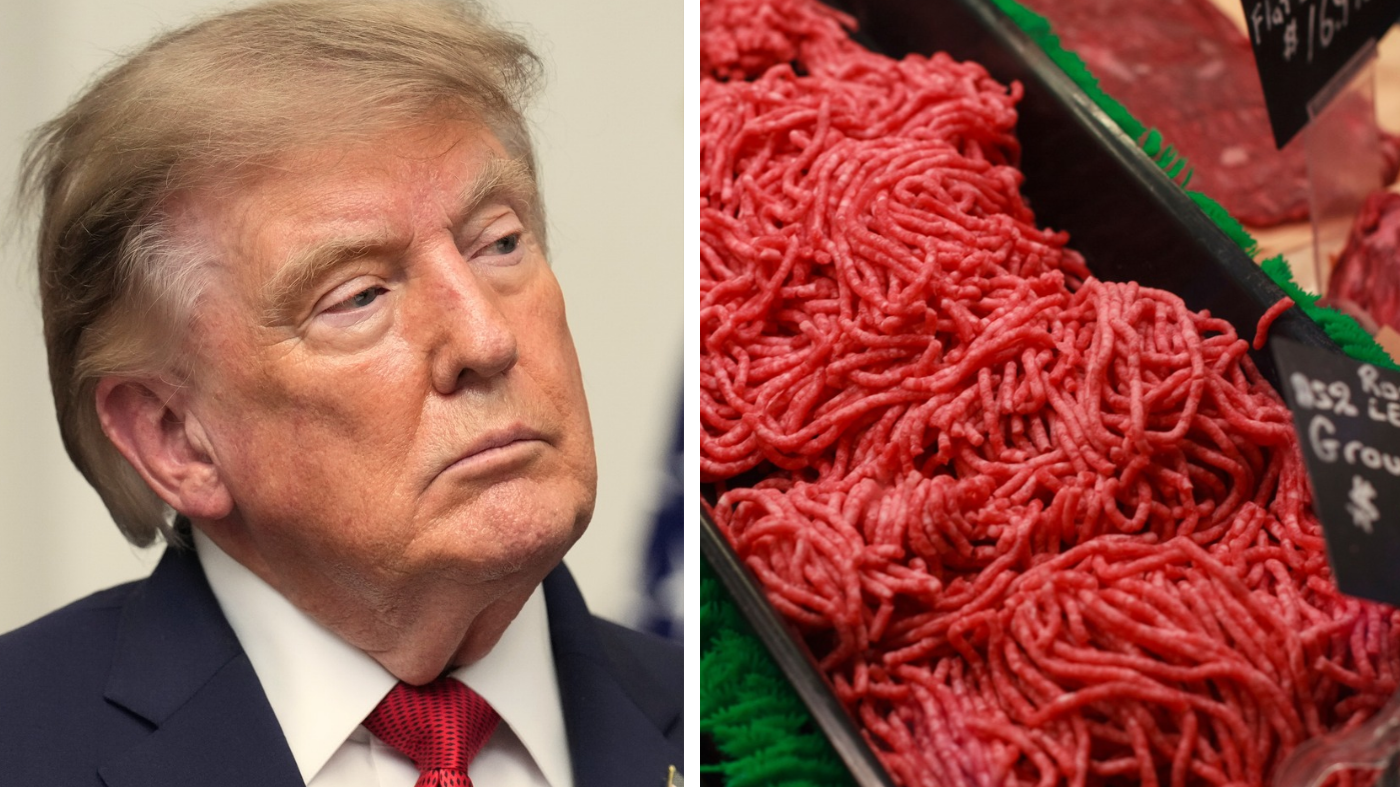
A beef tariff pause announced Friday has opened a rare public rift between the White House and parts of the Republican coalition, with cattle producers and several GOP senators objecting to a policy the president says is aimed squarely at bringing grocery costs down.
Speaking to reporters before departing for South Carolina, the president made no indication he intends to reconsider.
What the Policy Actually Does
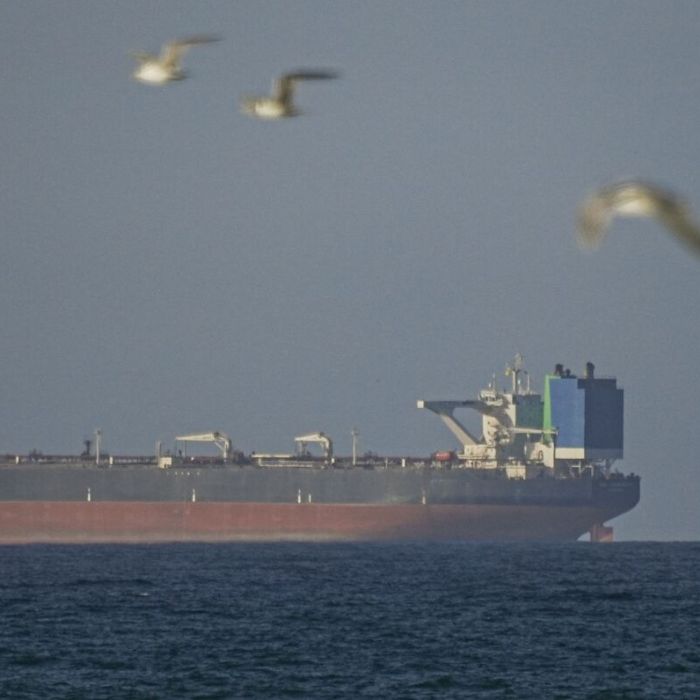
Under the measure, the United States will permit up to 300,000 metric tons of ground beef to enter the country over a 90-day window without the tariffs that normally apply beyond existing quota limits.
The president declined to identify which countries had struck agreements with Washington. He offered only that a handful of nations were involved and characterized the incoming product as top-quality beef the country currently needs.
The Argument From the White House
The reasoning offered was straightforward and consumer-focused. The president said the goal is to push beef prices lower, framing it as something voters want and something he wants as well.
He also went out of his way to praise ranchers, describing them as his own constituency and crediting them with strong performance, while adding that they themselves recognize some assistance is required.
A White House spokesperson expanded on that position, telling CNN that support for farmers and ranchers remains firm and that the tariff relief targets a short-term supply shortage. The same statement noted that the administration is working alongside producers to expand the national cattle herd, which currently sits at its smallest size in decades.
Producers Reject the Premise
The National Cattlemen’s Beef Association responded quickly and bluntly. In a social media post, the group stated that no cow-calf operation in the country has requested additional imports.
The organization argued that bringing in what it described as inferior foreign product undermines American producers, does nothing to build confidence in the market, and works against efforts to rebuild the domestic herd.
That last point matters. Herd rebuilding is a slow biological process that depends on ranchers holding back breeding stock rather than selling it. Producers argue that weaker prices discourage exactly the investment needed to increase supply over time.
Republican Senators Break With the President
Criticism did not stay confined to industry groups.
Sen. Chuck Grassley of Iowa voiced concern about the health of cattle markets, pointing to two developments in quick succession. Earlier this month, Tyson announced the closure of a beef facility in Joslin, Illinois. Now, subsidized imports are being temporarily allowed in.
Grassley argued that American cattlemen should come first under America First policy, and emphasized the need to maintain momentum on both fighting screwworm and expanding the domestic herd.
Sen. Tim Sheehy of Montana went further, revealing that he had spent the past year advising against this exact step. He cited the long-running struggle American ranchers have faced against consolidated meatpacking interests and warned the decision would compound that pressure, noting that many affected producers are core supporters of the president.
Sheehy was careful to separate motive from outcome. He acknowledged the president’s intention to help consumers is sincere and recognized that screwworm is affecting prices. Even so, he maintained that the practical effect will be to make herd rebuilding harder, which ultimately delays the price relief the policy seeks.
The Screwworm Factor
Both defenders and critics of the decision referenced screwworm, a parasitic pest whose outbreak in Mexico has disrupted cattle movement and supply across the region.
White House deputy chief of staff Stephen Miller leaned on that context when pressed about Sheehy’s objections. He argued no administration has done more for ranchers, pointing to actions taken through the Agriculture Department to secure the food supply chain, and stressed that the outbreak originated in Mexico.
Miller characterized the import allowance as a narrow, time-limited response to an acute problem rather than a broader shift in trade posture.
The Underlying Tension
The dispute exposes a genuine policy conflict rather than a simple misunderstanding.
Consumers are facing elevated beef prices at the checkout counter, and imports can ease that pressure relatively quickly.
Producers are operating with the smallest herd in generations, and rebuilding requires sustained strong prices to justify retaining animals rather than selling them.
Those two objectives pull in opposite directions over the short term. Lower prices now come at the cost of slower supply growth later, while protecting producer margins keeps grocery bills high in the meantime.
Consolidation adds another layer. Ranchers have argued for years that a small number of large packers capture much of the value between the ranch and the retail shelf, meaning lower cattle prices do not always translate into cheaper beef for shoppers.
What Happens After 90 Days
The temporary nature of the measure gives both sides something to point to. Supporters can describe it as a targeted intervention with a clear expiration. Critics counter that even brief periods of depressed prices can influence decisions ranchers make about their herds, with effects that outlast the policy itself.
Whether the arrangement is extended, expanded or allowed to lapse will likely depend on where prices sit when the window closes, and on how loudly the agricultural bloc continues to object between now and then.
Author