The controversy over the Pam Bondi Epstein files took a new turn on Friday when the former attorney general appeared before lawmakers behind closed doors and worked to separate herself from the Justice Department’s widely criticized handling of records tied to convicted sex offender Jeffrey Epstein. Rather than accepting responsibility, Bondi pointed lawmakers toward her former deputy, signaling that he, not she, drove much of the process.
Shifting the Blame to Blanche
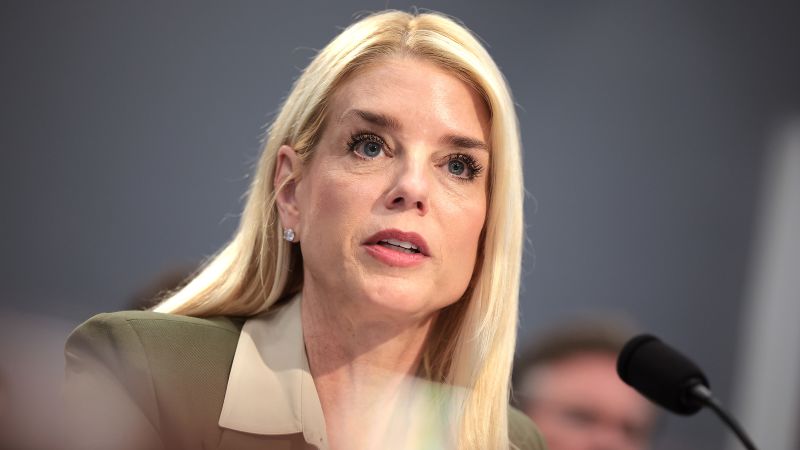
Bondi, whom President Donald Trump fired as attorney general in April, sat for a private interview with the House Committee on Oversight and Government Reform. According to Democratic lawmakers who spoke to reporters afterward, she repeatedly steered questions away from herself.
The central thrust of her message was that responsibility lay elsewhere. She told the committee that many of their questions would need to be directed to Todd Blanche, her former second-in-command who now serves as acting attorney general. In her telling, Blanche managed the entire investigation, casting him as the figure responsible for the bulk of how the Epstein files were handled.
Far from criticizing him, Bondi went out of her way to praise Blanche. In prepared opening remarks and in social media posts after the interview, she defended both Blanche and the department’s overall approach to the files. She later wrote that she had commended his management of what she called a Herculean task, describing his ethics as beyond reproach and calling him an incredible attorney general.
A Defense of Delegation
Bondi did not appear alone. She was accompanied by Harmeet K. Dhillon, head of the Justice Department’s civil rights division, who acted as counsel during the session.
Dhillon framed Blanche’s prominent role as a natural feature of how the department operates. She told reporters that his central involvement reflected the attorney general’s need to delegate responsibilities to trusted deputies, presenting the arrangement as routine rather than an attempt to deflect accountability.
Notably, lawmakers in attendance said Dhillon directed Bondi on when not to answer questions. When pressed afterward about why she had done so, Dhillon declined to explain her reasoning, stating only that the matter was between the Justice Department and its representatives.
The Trump Questions Bondi Wouldn’t Touch
One of the sharpest points of contention involved the president. According to Democratic lawmakers, Bondi flatly refused to answer any questions concerning Trump’s involvement in matters surrounding the Epstein files.
Representative Robert Garcia of California, the committee’s top Democrat, described his repeated efforts to get answers. He said he personally asked Bondi five different questions about her conversations with Trump, including whether the president had directed her on the files, what he knew, and whether he asked her to redact anything. By Garcia’s account, she declined every time, indicating she would not respond to anything related to Trump.
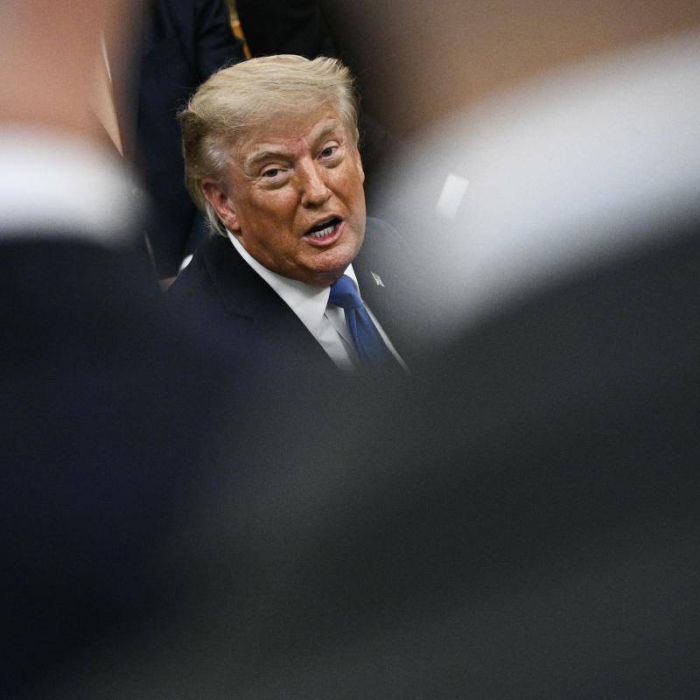
This refusal carries weight given the contents of the released material. Trump was named repeatedly throughout the hundreds of thousands of pages, often shown socializing with Epstein. The records also contained unproven and unsubstantiated allegations against him, though being mentioned in investigatory files does not imply any criminal wrongdoing. Trump and Epstein reportedly had a falling out in the mid-2000s, and the president has consistently denied any wrongdoing connected to Epstein.
The Long Road to This Interview
Friday’s session capped months of tension between lawmakers and the former attorney general, who drew rare bipartisan criticism for her uneven and slow release of the sex-trafficking investigatory files.
The timeline reveals how contentious the process became:
- Bondi was first subpoenaed in March, while still leading the department, to be deposed before the committee.
- After her firing, Chairman James Comer of Kentucky allowed her to be interviewed without being sworn in or testifying under oath.
- Over objections from both parties, Comer agreed the interview would not be taped, only transcribed.
- The Justice Department indicated it would review the transcript before its release.
The friction was not new. Bondi and Blanche had voluntarily briefed the committee behind closed doors back in March, but Democrats objected to the terms and walked out less than an hour in.
Democrats Set Their Sights on Blanche
Friday’s interview did little to satisfy Democratic lawmakers. Garcia made clear that the committee now wants Blanche to testify, given how thoroughly Bondi pointed to him as the responsible party. Should the acting attorney general refuse, Garcia said, the committee would attempt to compel his appearance through a subpoena.
The Justice Department did not immediately respond to requests for comment about the interview, and Dhillon did not address the Democratic lawmakers’ characterization of the meeting.
A Persistent Political Headache
The Epstein files have dogged the Trump administration throughout the president’s second term, with both the public and lawmakers demanding greater transparency about the department’s investigation. Much of that pressure traces back to years of conspiracy theories spread by Trump and his allies, including unsupported claims that Democrats were concealing the truth to protect powerful figures.
The underlying case remains deeply serious. Epstein pleaded guilty in 2008 to two charges of soliciting prostitution, including one involving a minor. He was arrested on federal sex-trafficking charges in 2019, during Trump’s first term, and died in custody that year in what was ruled a suicide. Over decades, according to judges and lawmakers, he abused, trafficked, and molested scores of girls, many of whom have since come forward.
Bondi’s own record on the files has shifted over time. Upon becoming attorney general, she initially pledged to release them, only to later backtrack, claiming there was nothing substantive left to disclose beyond what was already public. That reversal helped prompt Congress to pass the bipartisan Epstein Files Transparency Act in November, which Trump signed into law, setting a December 19 deadline for release. The department then struggled to manage the sheer scale of the project.
The Victims in the Background
The human cost was never far from view. Several Epstein survivors waited in the halls of Congress while Bondi was interviewed, a quiet reminder of what lies beneath the political maneuvering.
Speaking before the session, Comer noted that this marked the committee’s 13th interview in its investigation of how the administration handled the Epstein matter. He said the government had failed the victims, adding that the failure was not confined to the current administration but stretched back across several.
The Bottom Line
The Pam Bondi Epstein files saga reflects a broader struggle over accountability and transparency at the highest levels of the Justice Department. By deflecting toward Blanche and refusing to engage on questions about Trump, Bondi left lawmakers with more questions than answers. With Democrats now pushing for Blanche to testify and survivors still seeking closure, the controversy appears far from resolved. For an administration that has wrestled with the Epstein issue from the start, Friday’s interview seems likely to prolong rather than ease the scrutiny.
Author