Venezuela Earthquake Photo Captures What Words Cannot Reach
Ariana Cubillos is a Colombian photojournalist who has worked with The Associated Press since 2004. Based in Caracas since 2009, she has documented social unrest, humanitarian emergencies and breaking news across Venezuela. Before that she spent five years covering Haiti.
One image she made three weeks after an earthquake in La Guaira has drawn particular attention. Here is her account of how it came about.
Why She Took It
Cubillos was documenting families conducting their own searches through rubble — work that continued long after the initial emergency response.
She was concentrating on one family when she noticed a woman some distance away. She did not know her name at the time. What she saw was a person looking upward at the sky, praying, in what appeared to be a moment of desperation.
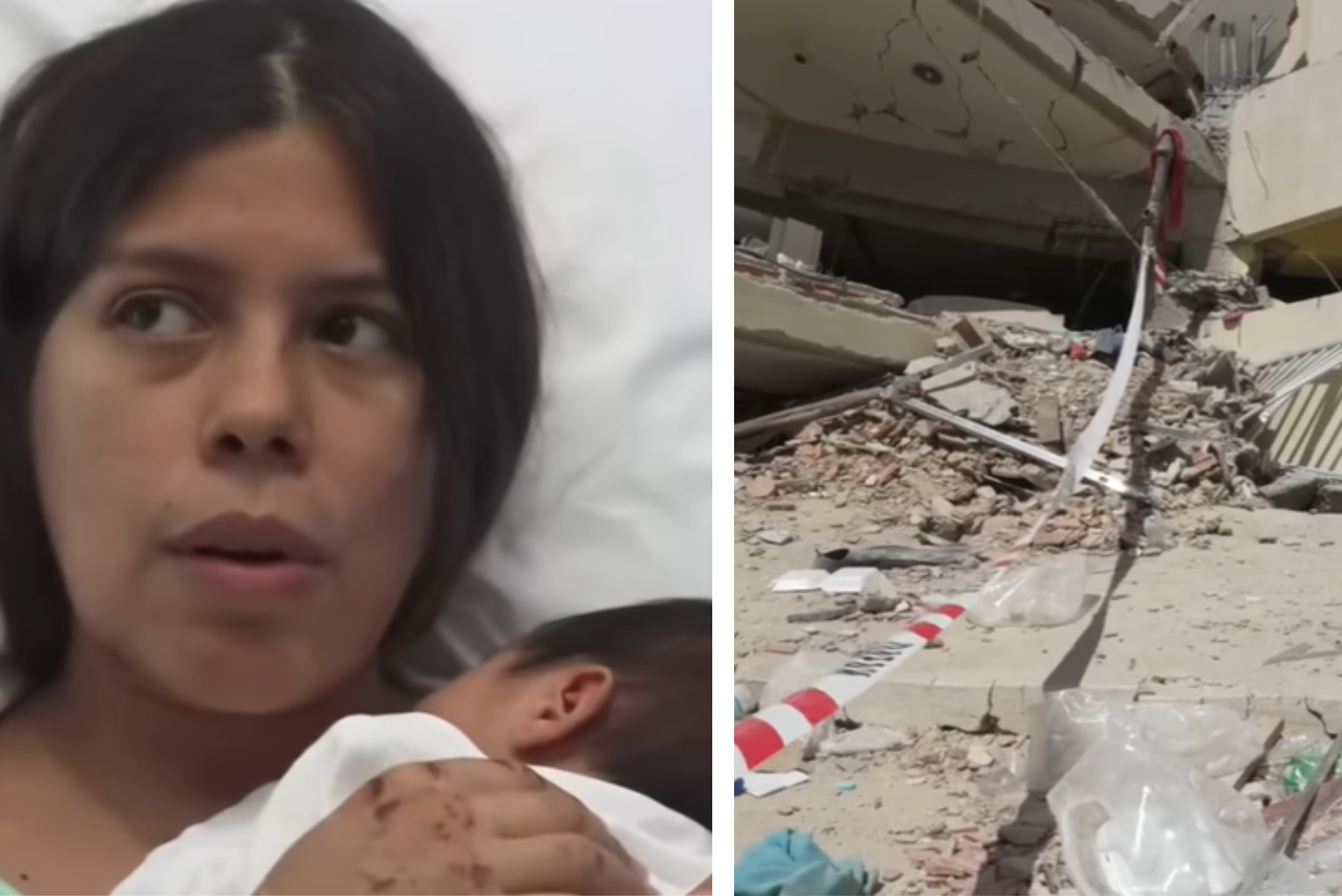
The decision to raise the camera came from recognising something larger in the gesture. The moment reflected the anguish and helplessness shared by many families, all of them working through twelve collapsed floors of an apartment building where their relatives had lived.
What everyone conveyed to her was the same wish: to find and recover the bodies so their loved ones would not remain in the debris and could finally rest.
Her own reaction was straightforward sadness — for the woman, and for all of them. She could feel their pain.
The Technical Reality of the Shot
The circumstances made the photograph difficult in ways that are not visible in the final image.
Cubillos was positioned at the top of the collapsed OPPPE 27 tower in Caraballeda, La Guaira, working with a 70-200mm lens to reach her subject at distance.
The obstacles were physical and immediate:
- Deep holes already excavated throughout the rubble, limiting where she could move
- Cables running across the scene
- Ropes strung between structures
- Pieces of cloth hung to provide shade from the sun
Two cables in particular sat directly in front of the woman’s face. Cubillos crouched slightly to shift her angle and keep them from crossing it.
The woman was still praying while maintaining her balance on unstable ground. Cubillos held the position, adjusting continuously, and managed a few clear frames before the prayer ended and the woman returned to the search.
Learning Who She Was
Only afterward did Cubillos walk over and speak with her.
The woman was Carolina Munoz. She was searching for the body of her son, Carlos Muñoz. She told the photographer she would not leave until she found him.
Why the Image Holds
Cubillos explains its power in terms of what the posture conveys rather than what it depicts.
Munoz with her hands and face raised toward the sky captures the helplessness that comes with confronting a scale of loss that individual effort cannot address — a death toll spread across the collapse of buildings that housed entire communities of families.
She acknowledges the limits of what any photograph can do here. This is a pain, she says, that words cannot explain, shared by every family that lost someone. The image may not fully contain what those families are experiencing.
It moves her regardless.
What This Kind of Work Requires
There is something worth noticing in how Cubillos describes her process.
She saw the moment, recognised its significance, solved a technical problem under time pressure on unstable footing, made the frames — and then went to speak with the person she had photographed.
That sequence is standard practice in documentary photojournalism, and it carries an inherent tension. Photographing grief at a distance preserves the moment as it actually occurred; approaching first would alter it. But it also means the photographer captures something intensely private before the subject knows they are being seen.
Cubillos resolved that by closing the distance afterward, learning the name, and carrying the story forward alongside the picture. Carolina Munoz became a person searching for her son rather than an anonymous figure in the wreckage.
Three weeks after the earthquake, families were still climbing over twelve floors of collapsed concrete with their hands. That detail, more than any single frame, describes what happened in Caraballeda.
Author
-
Lucienne Albrecht is Luxe Chronicle’s wealth and lifestyle editor, celebrated for her elegant perspective on finance, legacy, and global luxury culture. With a flair for blending sophistication with insight, she brings a distinctly feminine voice to the world of high society and wealth.