Israeli Strikes Hit Southern Lebanon Hard Following Sweeping Evacuation Orders
Waves of Israeli strikes hit southern Lebanon overnight and into Thursday morning, targeting what the Israeli military described as Hezbollah infrastructure. The assault came on the heels of large-scale evacuation orders that have triggered a growing displacement crisis across the region.
The intensity of the bombardment, captured in dramatic footage from the city of Tyre, has raised fresh alarm about the stability of an already fragile ceasefire and the safety of civilians caught in the crossfire.
Scenes of Destruction in Tyre
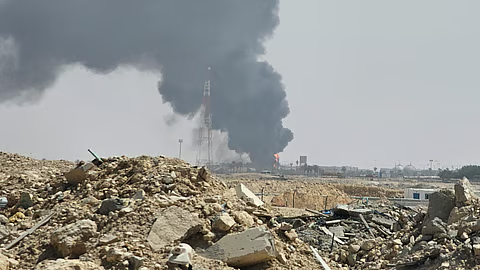
Social media videos emerging from Tyre, one of Lebanon’s largest cities, painted a harrowing picture. The footage showed dust-covered crowds gathered around collapsed buildings, stunned residents surveying the damage in the aftermath of the strikes.
According to Lebanon’s state-run National News Agency, two sets of Israeli strikes hit Tyre and an area to its east on Thursday morning. The visual evidence was striking:
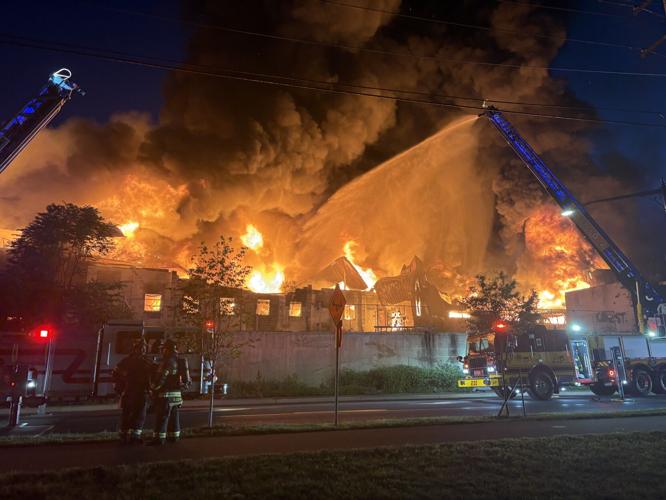
- Explosions and fires burned through the night and into the morning.
- Streets glowed orange from the flames, with smoke filling the roads.
- At least one vehicle was filmed completely engulfed in fire.
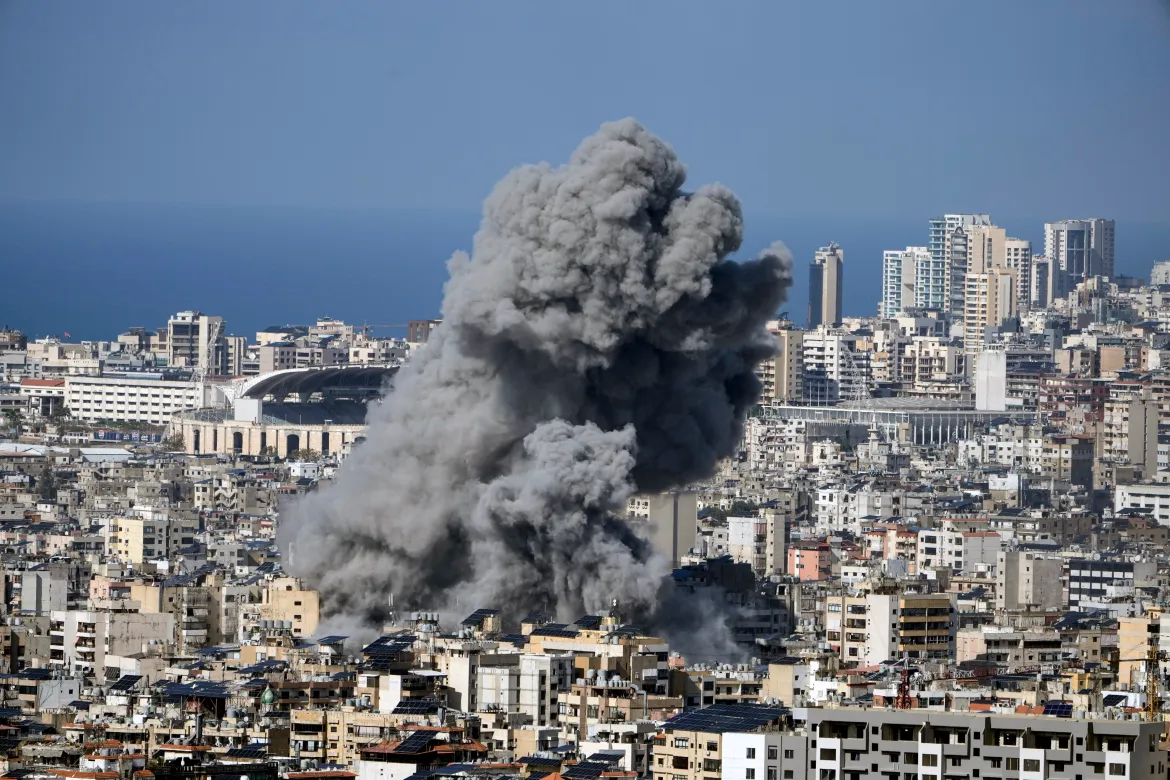
- By daylight, a massive fireball erupted near a cluster of high-rise residential buildings, sending a mushroom-shaped column of smoke rising over the skyline.
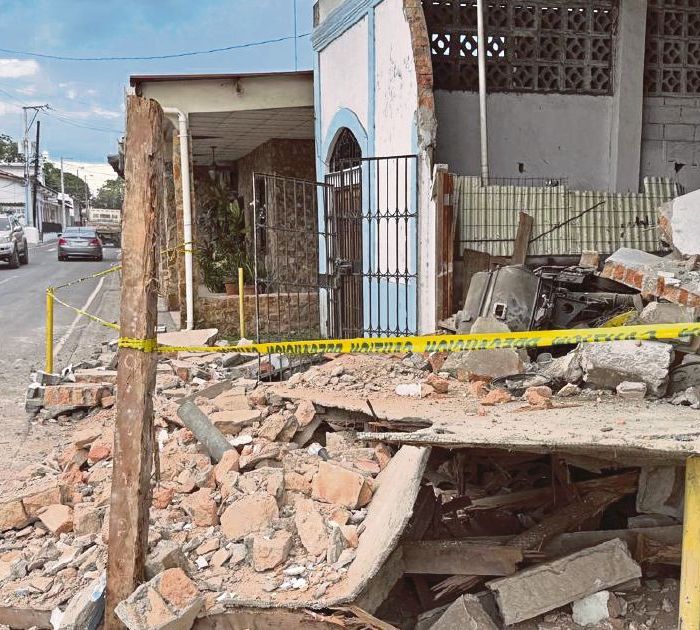
Residents looked on in shock as debris scattered through the surrounding streets, the scale of the destruction laid bare in the morning light.
The Warning That Preceded the Strikes
The bombardment did not come without warning. On Wednesday, the Israel Defense Forces urged residents to move north of the Zahrani River, located about 40 kilometers from the Israeli border, declaring that it would act “with extreme force.”
That warning quickly turned into reality. Wednesday’s evacuation order for Tyre was swiftly followed by airstrikes, with residents watching in horror from their balconies and filming on their phones as Israeli forces struck the city.
A Hezbollah member in Tyre told the BBC that rescue and recovery crews had been forced to halt their work because conditions remained too dangerous. The workers, he said, had received calls from the Israeli military warning them to evacuate the area, leaving the wounded and trapped without immediate help.
A Deepening Displacement Crisis
The human toll of the evacuations is mounting rapidly. Ambulance teams in Tyre have continued driving through neighborhoods, urging residents to flee amid fears of further strikes. More evacuation orders were issued overnight, reaching people while they slept.
The displacement is now straining the entire region. Shelters in the nearby city of Sidon have reached full capacity, according to the head of the municipality, leaving no room for newly displaced people. As a result, Tyre’s authorities are now advising residents to travel even further north, all the way to the capital, Beirut.
The scale of the upheaval is staggering. Wednesday’s evacuation order was the largest since the ceasefire took effect, covering roughly 14% of Lebanese territory. A later order for areas south of the Zahrani River encompassed about 300 towns and villages, many of whose residents, including people already displaced from elsewhere, have nowhere obvious to turn.
Civilians Caught in the Middle
The danger facing fleeing families became tragically clear when the National News Agency reported that an Israeli drone strike hit a family attempting to escape threatened villages in southern Lebanon. Six people were killed, including children.
For longtime residents, the situation has shattered any remaining sense of security. Rida, a 52-year-old who once owned a beachside cafe that was destroyed along with his home just before last month’s ceasefire, had previously vowed he would never leave Tyre.
Now his resolve has broken. Speaking by phone on Wednesday, he described going to the port near the beach and finding it crowded with people who had packed up their belongings. “Everyone is scared,” he said, capturing the fear gripping the city.
A Ceasefire Unraveling
The escalation has placed enormous strain on a ceasefire that came into force on 17 April. Both Israel and Hezbollah, the powerful Iran-backed Shia group, have accused each other of repeated violations.
Israeli officials maintain that Hezbollah’s attacks breach the temporary ceasefire agreement between the Israeli and Lebanese governments, a deal that has been extended twice since it took effect. Lebanese officials, in turn, point to the Israeli strikes themselves as clear violations.
The latest round of fighting followed an announcement by Israeli Prime Minister Benjamin Netanyahu expanding the ground operation. That decision came after Hezbollah drone attacks targeted Israeli troops occupying part of southern Lebanon as well as civilians in northern Israel.
Hezbollah, for its part, said its fighters had clashed with Israeli forces “at point-blank range” in Zawtar al-Sharqiyeh, north of the Litani River. Notably, that town, about 30 kilometers from the border, lies outside the Israeli-declared buffer zone, underscoring how the conflict is spreading beyond established lines.
A Region on the Brink
Humanitarian organizations are sounding the alarm. The head of the International Committee of the Red Cross delegation in Lebanon, Agnes Dhur, warned that the situation in the country’s south was nearing a perilous tipping point.
She cautioned that ongoing hostilities create conditions that are untenable for civilians and risk long-term consequences. Her words reflect a growing fear that the violence could spiral into a broader catastrophe for the region’s population.
Beyond Tyre, Lebanese media reported a wave of Israeli strikes across the south and the eastern Bekaa Valley on Wednesday, with four people killed in the towns of Choukine and Nabatieh.
Implications for the Wider War
The fighting in Lebanon carries consequences far beyond its borders. The escalation threatens to derail talks aimed at ending the broader war between the US and Israel on one side and Iran on the other.
Iran has insisted that any deal must also cover Lebanon, while Israel maintains that it reserves the right to continue fighting what it sees as the threat posed by Hezbollah. This standoff places Lebanon at the center of a much larger and more dangerous diplomatic struggle.
Lebanon was drawn into the conflict on 2 March, when Hezbollah launched rockets into Israel in retaliation for an Israeli strike that killed Iran’s supreme leader. Israel responded with an air campaign across Lebanon and a ground invasion.
Counting the Cost
The war’s toll has been devastating. According to Lebanon’s health ministry, at least 3,213 people have been killed in the country since the conflict began, though its figures do not distinguish between combatants and civilians.
Israel, for its part, says 23 of its soldiers and four Israeli civilians have been killed over the same period on both sides of the border.
What Lies Ahead
As Israeli strikes hit southern Lebanon with mounting intensity, the path forward looks increasingly grim. With shelters overflowing, civilians fleeing in fear, and both sides accusing each other of violating the ceasefire, the humanitarian situation is deteriorating by the hour.
The coming days will prove critical. Whether diplomacy can pull the region back from the edge, or whether the violence continues to escalate and consume more of Lebanon, remains dangerously uncertain. For now, the people of Tyre and the surrounding towns are left to navigate a landscape of fire, fear, and displacement, hoping for a calm that feels ever more distant.
Author