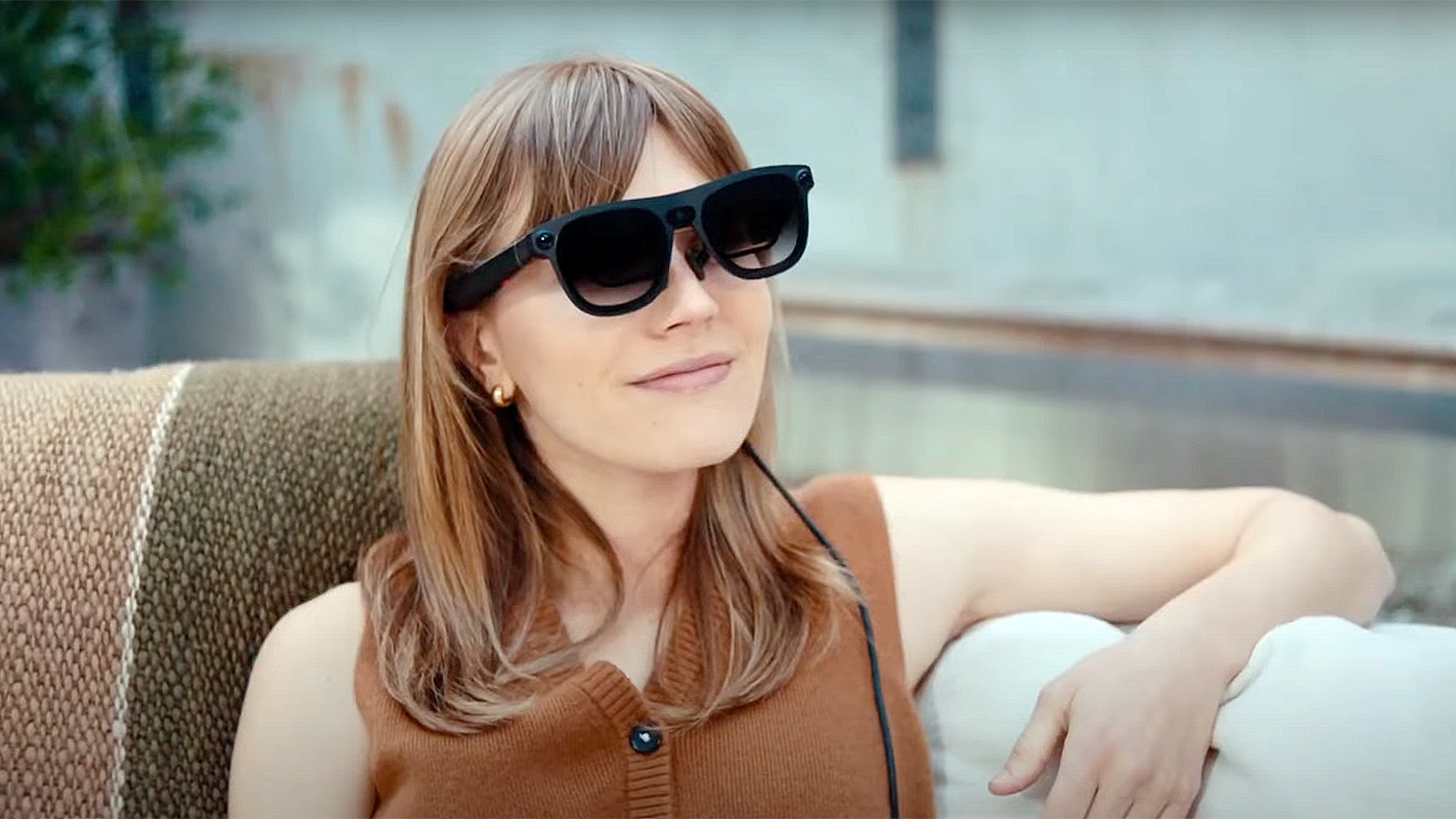
Xreal Project Aura smartglasses are entering the market with a clear and bold message. Rather than trying to blend in with everyday eyewear, the company is leaning into a more ambitious vision of what augmented reality glasses can do. After getting hands-on time with the device at Google I/O, it becomes obvious that Xreal is not interested in playing it safe. Project Aura wants to push the boundaries of what Android XR is capable of, and it does so without apology.
While some smartglasses today focus on subtle features like audio playback and lightweight design, Xreal is taking a very different path. Project Aura feels less like an accessory and more like a portable AR workstation packed into a pair of glasses.
A Different Kind of Smartglasses
In the growing world of Android XR devices, products like the upcoming audio-focused glasses from Warby Parker and Gentle Monsters represent the minimalist end of the spectrum. They are designed for casual all-day wear with minimal visual distractions.
Project Aura sits at the opposite extreme. Think of it as a supercharged version of Xreal’s One Pro glasses, packed with more sensors, more cameras, and significantly more ambition. While the frames look similar to the One Pro at first glance, the moment you wear them, it becomes clear that Aura is operating on a completely different level.
Cameras, Tracking, and an Impressive Display
Project Aura comes equipped with three cameras built directly into the frame. These include:
- One camera on each side of the glasses, used for accurate hand tracking
- A central front-facing camera for taking photos and recording video
This setup gives Aura a much more interactive feel than typical AR glasses. The hand tracking is responsive, allowing users to resize and move virtual windows with intuitive pinching gestures. Anyone who has used modern AR headsets will quickly feel at home with the controls.
The display itself is one of the standout features. With a 70-degree field of view, the screen feels sharp, bright, and surprisingly vibrant even in direct sunlight. Watching YouTube videos or scrolling through Chrome felt natural, although users will need to glance sideways to see content placed at the edges of the display, such as comments under a video.
A Tethered Setup With a Built-In Puck
Unlike the One Pro, Project Aura is not a standalone device. It connects to a separate puck, similar in concept to what Apple does with the Vision Pro. The phone-sized puck includes its own trackpad and fingerprint sensor, although those features were not available during the demo.
One small note from the hands-on session is that the puck did get noticeably warm. To be fair, the demonstration took place outdoors in nearly 90-degree heat, so heat management may not be a major issue under normal indoor conditions.
This tethered approach allows Aura to deliver more powerful experiences than a standalone pair of smartglasses could realistically handle. It also gives Xreal more freedom to push the visual and computational capabilities of the glasses themselves.
Apps That Show Off Aura’s Potential
During the demo, Xreal showed off two of its own apps to highlight what Project Aura can do. These included a simple AR drawing application and a more interesting tool called Gemini Molecule.
Gemini Molecule offers a glimpse into the future of multimodal AR. Users can look at an object, pinch the air to select it, and instantly see information about its material and a visualization of its molecular structure. While the app itself is more of a showcase than a polished experience, it offers a clear hint of what third-party developers might create once they gain access to the platform.
Interestingly, both apps were built quickly using Gemini, which highlights how AI-assisted development could speed up the growth of the AR app ecosystem.
Built for Pros, Not Just Entertainment
Although Xreal is known for offering immersive entertainment experiences through its glasses, Project Aura takes things in a more professional direction. The device can be connected to a laptop and used as an external display, opening the door for real productivity work.
Pair it with a Bluetooth keyboard, and you essentially have a portable workstation that fits inside a pair of glasses. One Xreal engineer mentioned during the demo that he has completely stopped using a traditional monitor and now relies entirely on Aura for his daily work.
Use cases for Project Aura could include:
- Replacing traditional monitors for laptop users
- Powering virtual workspaces for remote workers
- Helping developers build and test AR applications
- Offering creative tools for designers and artists
- Delivering immersive entertainment in a compact form
A Maximalist Vision With Big Ambitions
Project Aura clearly represents the maximalist side of what Android XR can offer. Rather than chasing simplicity, Xreal is showing what becomes possible when you cram serious technology into a wearable device. The result is an early product that feels both impressive and slightly experimental.
It is also a reminder that the smartglasses market is no longer just about novelty. With Apple, Samsung, Google, and now Xreal exploring different angles, this category is starting to mature into something far more meaningful than tech demos.
Who Is Aura Really For?
After spending time with the glasses, one question naturally comes up. Who is this device actually built for? Xreal has not revealed the official pricing yet, but it is fair to assume Project Aura will sit firmly in the premium category. For reference, the One Pro glasses already cost around 650 US dollars. The more advanced Project Aura is expected to be significantly more expensive.
Despite the likely high price, Aura could be a strong fit for:
- Developers eager to build apps for Android XR
- Creators experimenting with new AR experiences
- Tech enthusiasts who want cutting-edge hardware
- Professionals seeking a lightweight alternative to bulkier headsets like Samsung’s Galaxy XR
A Promising Step for Android XR
Project Aura may not be designed for the average consumer just yet, but it sends an important message. The smartglasses category is no longer about gimmicks. It is becoming a serious platform with real productivity and creative possibilities.
If Xreal can fine-tune the experience, attract talented developers, and offer competitive pricing for the right audience, Project Aura could play a major role in shaping the future of Android XR. For now, it stands as one of the most ambitious and exciting takes on smart eyewear available today, and it gives us a strong glimpse of where this technology might be headed next.
Author