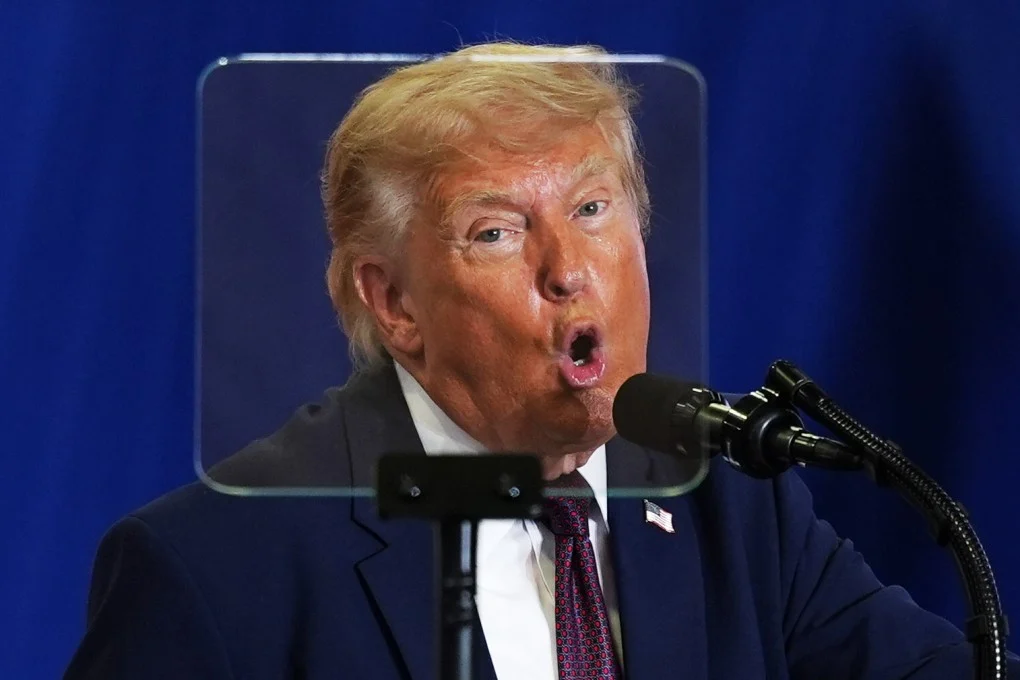
Trump’s Iran unfrozen funds decision has become a flashpoint, with the president defending the release of billions in frozen assets even as Tehran publicly disputes his characterization of the terms. The dispute lays bare how fragile the ongoing peace negotiations remain, with both sides spinning the deal for their own audiences.
Trump’s Version of the Deal
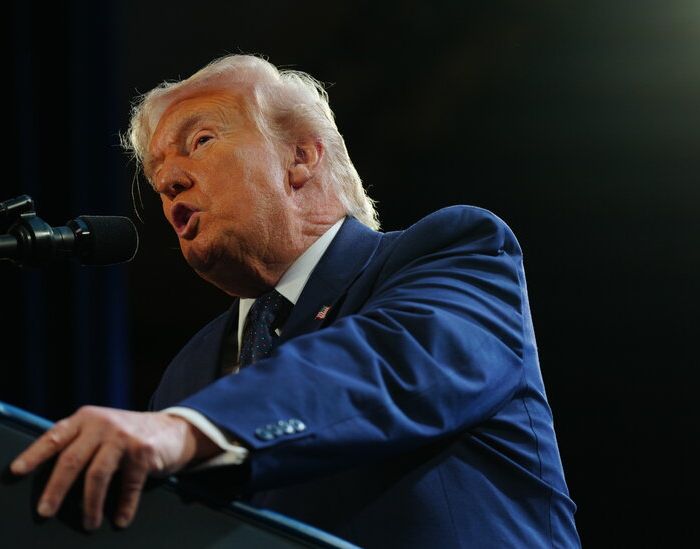
President Donald Trump moved to ease concerns about the negotiations by insisting that Iran’s access to the unfrozen money would be tightly restricted.
In a post on Truth Social on Tuesday, Trump said the billions of dollars in unlocked financing would go “into escrow, controlled by the U.S.A.” He stated that the funds could only be used to purchase American food and medical supplies, naming US-grown products like corn, wheat, and soybeans.
He went further, claiming that Iran had agreed to “highest level Nuclear inspections long into the future.” That nuclear component sits at the center of talks aimed at ending the nearly four-month war and keeping the vital Strait of Hormuz open.
Tehran Pushes Back
Iran, however, told a very different story, directly contradicting Trump on multiple points.
Iran’s Foreign Ministry spokesman Esmail Baghaei rejected the notion that the funds would be restricted, insisting his country would use the money “freely, in whatever manner it deems appropriate” rather than being limited to US purchases.
Baghaei also dismissed Trump’s claims about nuclear inspections outright. He said Iran had neither met with the director general of the International Atomic Energy Agency nor had any plans to allow the agency to inspect its nuclear facilities.
As for the sums involved, Iran indicated that $12 billion of its frozen finances would be released in two equal installments, according to a report by the Mehr news agency citing Deputy Foreign Minister Kazem Gharibabadi. The US has not yet confirmed how much Iran will actually receive.
Political Pressure at Home
Trump’s defensive posture reflects the criticism the deal is drawing from defense hawks within his own party.
The political stakes are considerable. US farmers, concentrated across the Midwest and South, represent a crucial constituency for Trump and Republicans, one the party will need to energize heading into the November midterm elections. Framing the released funds as a boon for American agriculture serves that political purpose.
Critics of the memorandum of understanding signed last week worry about a different outcome entirely. Some fear Iran will use the money to rebuild its armed forces and continue backing militant groups such as Hezbollah.
Lingering Obstacles to a Deal
Despite Trump’s assurances that talks were “going well,” significant hurdles still stand in the way of a firm agreement.
Chief among them is Israel’s conflict with Iran-backed Hezbollah in Lebanon. Iran has cited Israel’s ongoing military presence in southern Lebanon as a breach of the agreement, a dispute that threatens to derail the negotiations. A fifth round of US-mediated talks between Israel and Lebanon was taking place in Washington on Tuesday.
Meanwhile, Secretary of State Marco Rubio is expected to travel through the Gulf, with stops planned in the United Arab Emirates, Kuwait, and Bahrain. His mission is to reassure regional allies that the interim agreement signed last week serves their security and economic interests.
The Strait of Hormuz Question
The future of the Strait of Hormuz remains one of the most consequential and uncertain elements of the talks.
Iran said Tuesday that the strait is “fully” open to commercial shipping, with its ambassador in Geneva noting that large volumes of oil had crossed the chokepoint in recent days. Traffic through the waterway is indeed increasing, signaling growing confidence among shipowners and traders.
Yet what “open” will ultimately mean is far from settled. Oman and Iran announced they would begin talks on the future administration of the strait, including the services to be provided and the associated costs in line with international standards.
Adding to the uncertainty, Iran’s lead negotiator, Parliament Speaker Mohammad Bagher Ghalibaf, declared that the strait would never return to its pre-war state and that Iran would administer the waterway according to international law. US Vice President Vance, by contrast, said negotiators had “set up the mechanism” to ensure the strait stays open.
Progress and Friction in the Talks
In negotiations held in Switzerland since Sunday, the US and Iran agreed to establish technical working groups to handle thorny issues like unwinding sanctions and curbing uranium enrichment. Vance and Ghalibaf departed Switzerland on Monday, though lower-level delegates continued discussions through the week.
The two sides continue to frame the talks for their respective home audiences. The White House works to reassure Iran hawks, while Tehran portrays the agreement as a concession extracted from Washington. Iran’s military and infrastructure were heavily damaged by US and Israeli bombing beginning in late February, but its closure of the Strait of Hormuz sent energy prices soaring and dented Trump’s standing both at home and among allies.
Markets Respond Cautiously
Oil markets offered a measured reaction to the developments. On Tuesday, Brent crude declined 1.3 percent to below $77 a barrel. That marks a sharp drop from its late-April high of around $125, though it remains above pre-war levels.
The lingering price premium reflects a basic reality: it will take months for oil and liquefied natural gas flows through Hormuz to return to normal.
An Uncertain Path Forward
The competing narratives surrounding Trump’s Iran unfrozen funds decision capture the broader challenge facing these negotiations. With each side describing the same agreement in fundamentally different terms, and with major issues like Lebanon and the Strait of Hormuz still unresolved, a durable peace remains far from guaranteed.
For now, the talks continue, buoyed by cautious optimism but shadowed by deep disagreements that could still unravel the fragile progress made so far.
Author