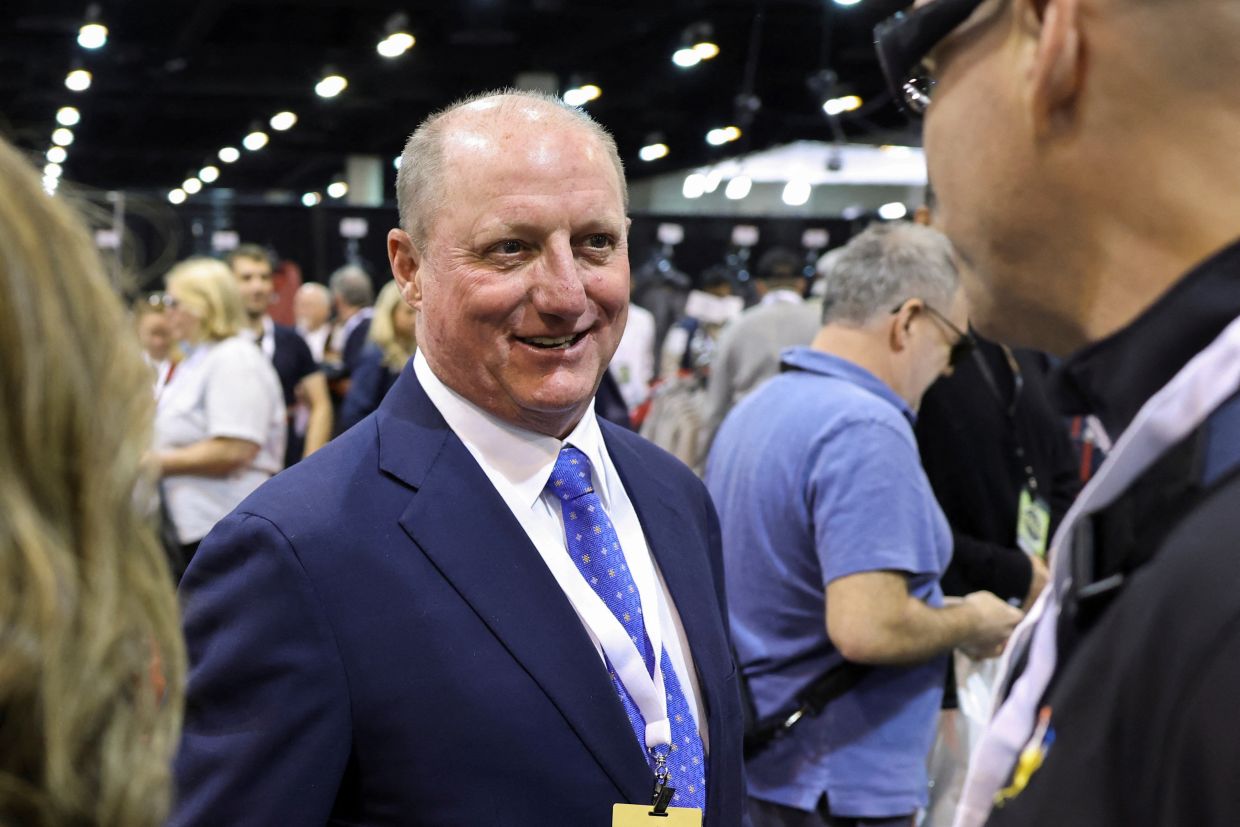
Berkshire Hathaway’s Greg Abel Makes a Statement With $16.8 Billion in Two Days
Berkshire Hathaway’s Greg Abel is wasting little time putting his own mark on the company Warren Buffett built. In a striking two-day stretch, the conglomerate committed a combined $16.8 billion to two very different bets: a major stake in Google parent Alphabet and the acquisition of homebuilder Taylor Morrison. For investors who have spent months urging Berkshire to put its enormous cash reserves to work, the moves landed as a clear and welcome signal of change.
A New Era Begins
Abel took the reins as chief executive in January, stepping into one of the most closely watched leadership transitions in corporate America. From the start, the central question was whether he would break from Buffett’s famously patient, cash-hoarding style.
The answer arrived quickly. By deploying billions across back-to-back days, Abel appears to be doing exactly what many had hoped: spending more aggressively than his predecessor did in recent years.
The market context helps explain the impatience. As of the end of March, Berkshire was sitting on a staggering $380.2 billion in cash. Many investors and analysts have argued that the idle pile dragged on the company’s share price. The numbers bear out the frustration:
- Berkshire shares are down about 13% from their record high in May 2025.
- Over the same stretch, the tech-heavy S&P 500 climbed roughly 34%.
“Everyone has been waiting for Greg to do his thing, beyond Warren Buffett’s shadow, and we’re now seeing that,” said Steven Check, president of Check Capital Management, which holds a substantial position in Berkshire. He called the activity encouraging.
A $10 Billion Bet on Alphabet and AI
The largest piece of the spending spree went to Alphabet. On Monday, Berkshire agreed to purchase $10 billion of stock in Google’s parent through a private placement, part of an $80 billion equity fundraising effort by the Mountain View company. The investment reads as a strong vote of confidence in Alphabet’s position at the forefront of artificial intelligence.
Berkshire had already started building this position. It first invested in Alphabet during the third quarter of last year and held $16.6 billion worth of shares as of March 31. With the new infusion, Alphabet is poised to become one of Berkshire’s five largest stock holdings, a group still led by longtime favorite Apple.
The move is notable because it cuts against Buffett’s well-known reluctance to invest in technology. He long approached Apple less as a tech play and more as a bet on consumer loyalty.
There’s a layer of irony here, too. At Berkshire’s 2019 shareholder meeting, Buffett and the late Charlie Munger openly regretted not buying into Google earlier, with Buffett noting that Google’s advertising engine resembled the dynamics powering Berkshire’s Geico insurance business. Munger put it bluntly, admitting they had messed up, and Buffett agreed they had blown it. Buffett, for his part, remains Berkshire’s chairman.
Doubling Down on Housing
The second major move came on Sunday, with Berkshire announcing a $6.8 billion acquisition of Taylor Morrison, a homebuilder operating across 12 U.S. states.
The deal deepens Berkshire’s already substantial footprint in the housing sector. The company’s existing interests span a wide range of the industry, including:
- Clayton Homes, its manufactured housing business
- Suppliers of bricks, paint, and insulation
- One of the largest residential real estate brokerages in the United States
Adding a homebuilder rounds out that portfolio, giving Berkshire exposure to nearly every stage of the housing value chain.
What Comes Next
Even with this burst of activity, Berkshire has pledged to maintain a $30 billion cash cushion, leaving plenty of room for further moves. Some investors have floated other ways to deploy capital, such as ramping up stock buybacks or, more dramatically, introducing the company’s first dividend since 1967.
Berkshire did not immediately respond to a request for comment on the Alphabet investment and declined to comment further on Taylor Morrison.
A Microcosm of America
Part of what makes Berkshire’s choices so closely scrutinized is the sheer breadth of its empire. The conglomerate’s dozens of operating businesses are often described as a snapshot of the broader U.S. economy. They include the BNSF railroad, a wide array of energy and industrial firms, and household retail names like Dairy Queen, Fruit of the Loom, and See’s Candies.
The Bottom Line
In just two days, Greg Abel signaled that the post-Buffett era at Berkshire Hathaway will look different, marrying a forward-leaning embrace of AI through Alphabet with a traditional, asset-heavy expansion in housing. For shareholders who worried the company had grown too cautious, the message was unmistakable: the cash is finally moving, and the new CEO intends to lead on his own terms.
Author