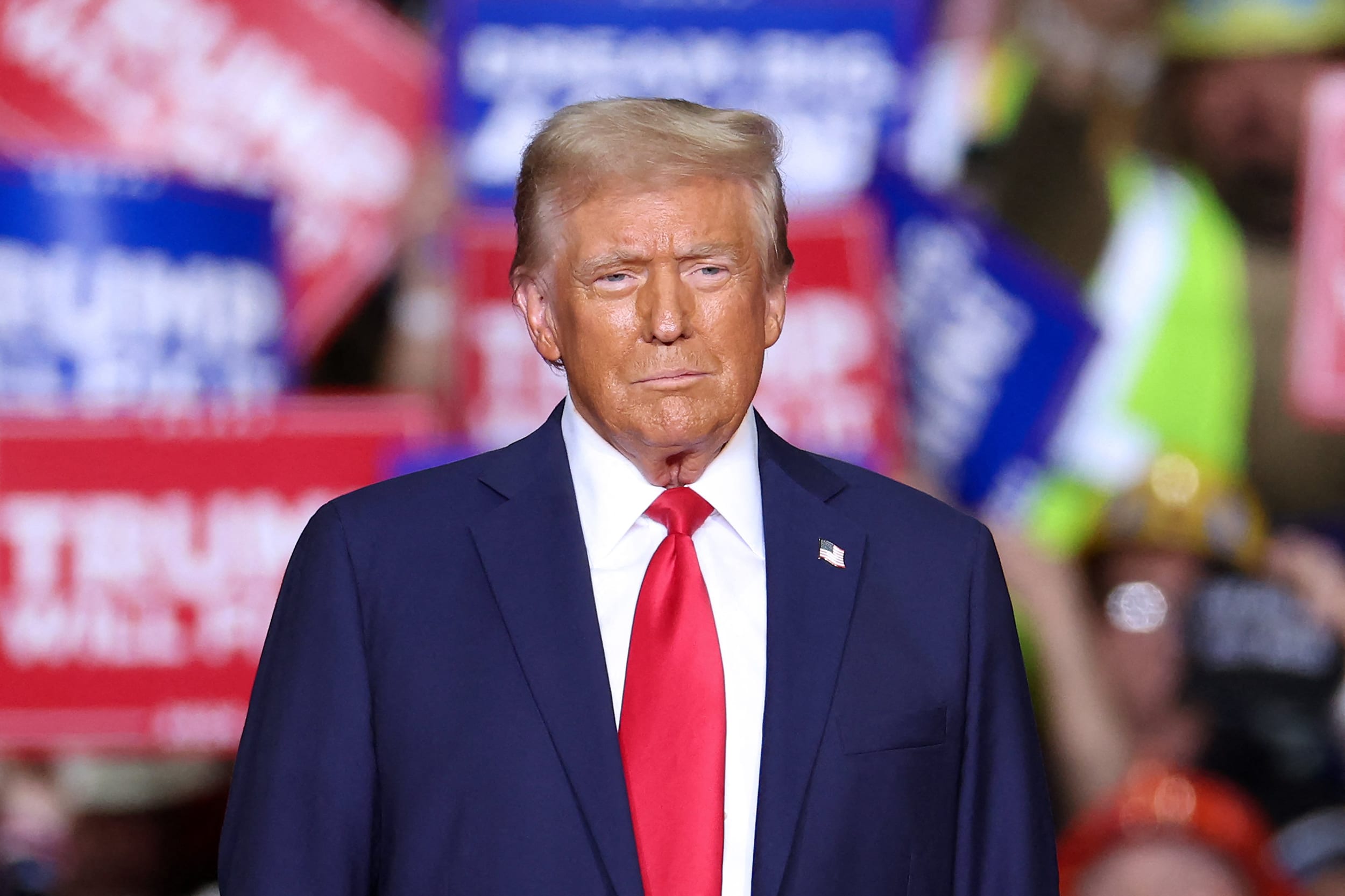
Senate Republicans frustrated with Trump are no longer keeping their irritation behind closed doors. As President Donald Trump works to bring his conflict with Iran to a close, he’s stirring up a very different battle on home soil — one against the very lawmakers in his own party who are supposed to be his closest allies.
The friction has been building for weeks, and this week it spilled into the open in dramatic fashion.
A Last-Minute Order That Derailed Everything
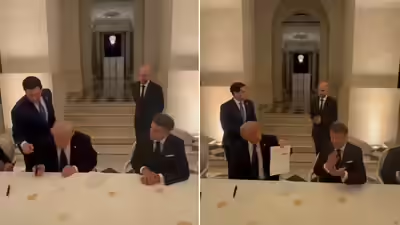
From the sidelines of the Group of Seven summit in France, Trump abruptly directed the Senate to scrap a Wednesday afternoon hearing for Jay Clayton, his own nominee for director of national intelligence. He went further still, threatening to withhold his signature on the reauthorization of a vital surveillance law unless the Senate passed a sweeping election bill that has already failed multiple times.
The move blindsided Republicans. It also wrecked Majority Leader John Thune’s carefully constructed plan to fast-track Clayton’s nomination — a strategy designed to win over Democratic votes for the now-lapsed surveillance program.
When reporters asked Thune why Trump would undercut his own team, the South Dakota Republican offered a blunt, telling reply: “Good question.”
Confusion Inside the Caucus
For many Republican senators, the Clayton episode fit a frustrating pattern. Alaska Senator Lisa Murkowski summed up the disconnect by suggesting it wasn’t that Trump was on a different page, but rather that “he’s turning it ahead without telling us about it.”
The relationship, already fragile, is straining toward a breaking point. Several factors are fueling the discontent:
- Trump has used his political muscle to knock sitting senators out in primaries.
- He has issued demands that simply can’t be achieved given the math in the Senate.
- He has repeatedly forced the caucus into politically uncomfortable positions.
The result, several Republicans say, is that Trump is making it harder to advance the very agenda he wants passed. Retiring North Carolina Senator Thom Tillis didn’t mince words, calling the Clayton postponement “a colossal mistake” and warning that it was “undermining our ability to produce the very results he wants.”
The Pulte Problem Behind the Clayton Fight
The tension over Clayton didn’t appear out of nowhere. GOP leaders had pushed Trump to name a permanent intelligence director after his acting pick, Bill Pulte, ignited a bipartisan uproar over his thin national security background. Pulte, a close Trump ally and housing official, had drawn criticism for pursuing mortgage fraud investigations into the president’s perceived enemies.
Once it became clear that leaders intended to move Clayton’s nomination quickly — effectively shutting Pulte out of the permanent job — Trump threw a wrench into the works.
The reaction among his own allies was disbelief. Senator Mike Rounds of South Dakota, running for re-election with Trump’s endorsement, admitted he’d never witnessed anything like it in his eleven years in the Senate.
A Pattern of Self-Inflicted Setbacks
The Clayton drama is only the latest example of Trump’s timing tripping up his own priorities. In recent weeks, a string of demands has slowed or stalled key legislation:
- A request for $1 billion in ballroom security funding delayed an ICE and Border Patrol funding bill.
- The announcement of a $1.8 billion “anti-weaponization” fund stalled that bill even further.
- His choice of Pulte landed just days before the FISA Section 702 program expired, killing any chance of a deal before the deadline.
Adding to the resentment was Trump’s decision to back state Attorney General Ken Paxton over Senator John Cornyn in the Texas primary. Cornyn is well-liked among colleagues, and GOP strategists worry that Paxton could weaken the party’s grip on the seat this fall, handing Democrats a better shot at Senate control.
Cornyn himself struck a measured tone, arguing the core issue runs deeper than any single person. “It’s not about sympathy; it’s about basically being able to function,” he said, adding that part of the problem is Republicans “making unrealistic promises” and then turning on each other when those promises fall short.
Kept in the Dark on Iran
The frustration extends beyond legislation. When senators arrived at the Capitol for votes earlier in the week, they had almost no information about the emerging Iran deal, despite repeated requests to see the text of the memorandum of understanding. The White House didn’t send talking points until later that evening, after lawmakers had spent hours fielding questions from reporters.
The exasperation was palpable. Asked about the memorandum, Missouri Senator Eric Schmitt shot back, “The MOU that no one’s seen?”
Even Thune appeared to be out of the loop, telling reporters there was nothing to react to because they hadn’t seen anything yet — this despite Trump having announced a 60-day ceasefire days earlier. A senior U.S. official later provided the text, explaining the administration had initially held it back at Iran’s request.
The Root of the Standoff
Much of the deeper conflict traces back to Trump’s inability to push through his top legislative goal: the SAVE America Act, a sweeping election law that would impose voting restrictions nationwide. Democrats are firmly opposed, leaving it well short of the 60 votes needed to pass.
Trump’s proposed workarounds have repeatedly hit walls. Most Republicans refuse to abolish the filibuster, viewing it as a long-term safeguard for conservative priorities. His push to fire the Senate parliamentarian — the chamber’s rules referee — went nowhere. And an attempt to attach the election bill to a funding measure couldn’t even reach 50 votes, failing 48 to 50 after four Republicans broke ranks.
Holding the Line
Despite the turmoil, Thune retains the backing of his conference. Wyoming Senator Cynthia Lummis noted that no one is angling to replace him and that he’s right to tell Trump plainly that the votes simply aren’t there for the election bill.
“He should be as frank as he’s being,” Lummis said, offering a favorite maxim: “Tell the truth; it’s easier to remember.”
For now, the White House is projecting unity, with a spokeswoman touting close cooperation with Senate Republicans on tax cuts and border security. But on Capitol Hill, the small slights are piling up — and the patience of Trump’s own party is wearing thin.
Author