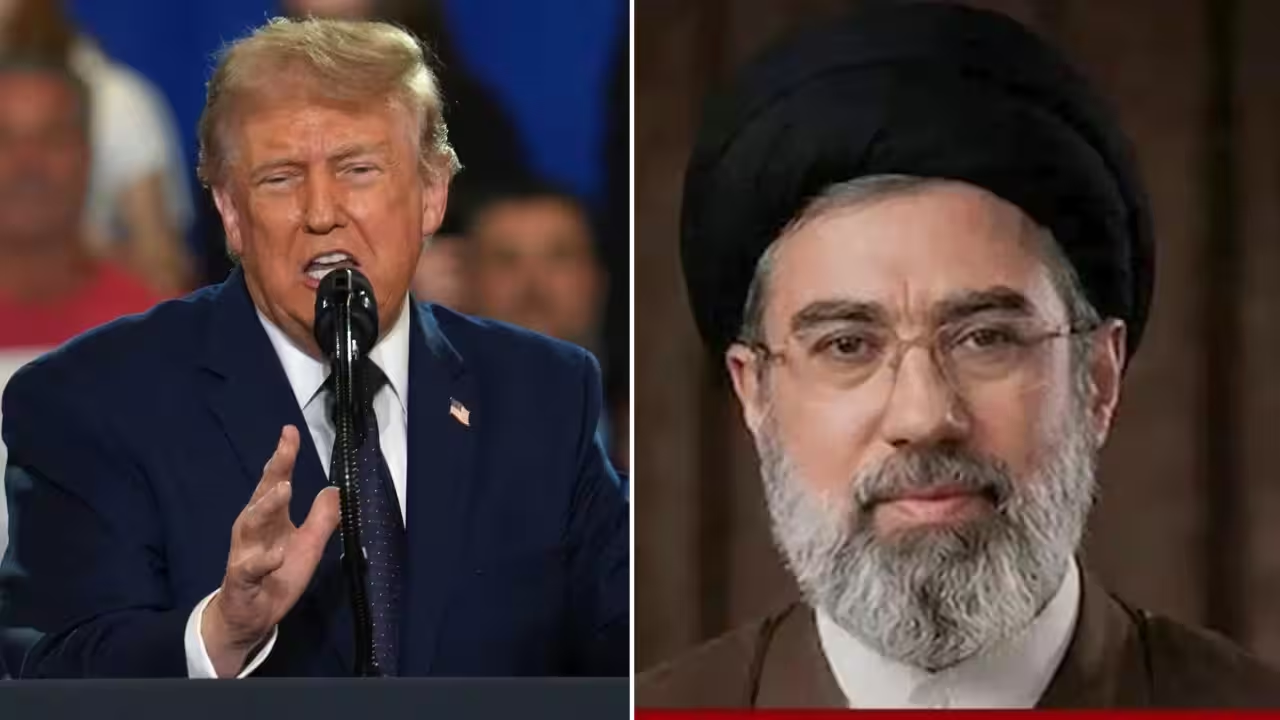
Iran US negotiations appear to exist in two different realities depending on which capital is describing them. On Monday, Tehran’s foreign ministry flatly rejected Washington’s claim that fresh talks were beginning, saying no discussions with the United States were under way at all. The contradiction came less than a day after President Donald Trump told reporters that negotiations would open that afternoon.
Tehran’s Version of Events
Foreign ministry spokesman Esmaeil Baqaei was unambiguous during his weekly press briefing. Iran, he said, is not currently in negotiations with the United States. The talks Tehran is conducting, he explained, are with Oman, and they concern securing passage through the Strait of Hormuz.
That framing matters. It positions Iran as engaged in regional diplomacy with a neighbour rather than in bilateral bargaining with an adversary that has been striking its territory.
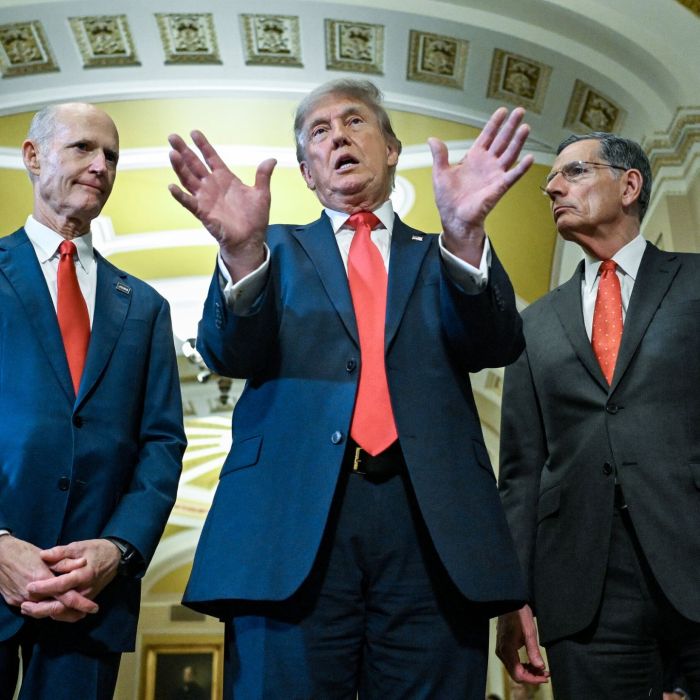
Trump’s account differed sharply. Speaking to reporters aboard Air Force One on Sunday, he said discussions would begin the following afternoon, covering both the Strait of Hormuz and the denuclearisation of Iran. He offered no specifics about where the talks would occur or who would attend.
A War Approaching Its Sixth Month
The conflict began on 28 February, when the United States and Israel launched surprise strikes against Iran. What followed has been an uneven pattern: periods of intense fighting broken by stretches of relative quiet produced by intermittent diplomacy.
Tensions climbed again last month with a return to strikes. Trump warned that he would hit Iran very hard and was reportedly weighing renewed attacks, potentially including energy infrastructure. US embassies across the region were placed on alert.
Then, on Saturday, he stepped back, saying the outlines of a deal were in place.
Trump said Iran had asked him to hold off, along with US partners Saudi Arabia, the United Arab Emirates, and Qatar. He characterised the attack he declined to launch as what would have been the largest since the Second World War. Iranian media rejected the suggestion that Tehran had made any such request.
The Strait of Hormuz Is the Real Issue
Beneath the disagreement over whether talks exist lies a concrete dispute over a narrow stretch of water that carries a substantial share of the world’s energy supply.
Before the war, vessels moved through Hormuz freely. Iran closed the strait during the fighting and now insists on retaining control and levying tolls, a position Washington refuses to accept.
That standoff triggered last month’s resumption of strikes, after Tehran refused to permit shipping along any route other than one running close to the Iranian coastline.
Iranian lawmaker Hassan Ghashghavi, who speaks for parliament’s national security commission, acknowledged that mediators are attempting to revive a memorandum of understanding reached in June. That document was never meant as a final settlement but as a bridge toward a comprehensive agreement, and it contained provisions on Hormuz. Ghashghavi said everyone involved understands the strait is the central question, and that an exchange of views is taking place.
Iranian President Masoud Pezeshkian struck a harder note on X, writing that the priority must be forcing the adversary to honour commitments it has already signed.
What the Oman Track Involves
Baqaei told state television on Sunday that Iran was close to an understanding with Oman, which sits on the opposite side of the strait, over a new shipping route.
He described the concept as a compromise corridor: neither the northern route nor the southern one, but a path that respects the sovereign rights of both parties while protecting Iranian national interests and security.
Crucially, he added a caveat. Any such agreement would not amount to reopening the strait. That distinction preserves Iran’s leverage while allowing limited commercial movement.
Markets and Shipping React
The practical effects are already visible:
- Oil prices dropped at the Asian market open on Monday following Trump’s announcement, with West Texas Intermediate falling 4.7% to $80.72 per barrel
- Maritime tracking firm Kpler reported on Friday that traffic through Hormuz had declined sharply
- A tanker off the Omani coast reported an explosion nearby on Sunday, according to the United Kingdom Maritime Trade Operations Centre, though the vessel and its crew were unharmed
The price movement suggests traders responded to the prospect of talks rather than to confirmed progress. Iran’s denial arrived afterward.
The Nuclear Question in the Background
Trump justified the war at its outset as necessary to address Iran’s nuclear programme. Western governments accuse Tehran of pursuing a weapon. Iran maintains its programme is entirely civilian.
That disagreement has proven durable across multiple administrations and remains unresolved. Trump’s inclusion of denuclearisation among the topics for the supposed talks indicates it has not been set aside, even as Hormuz dominates the immediate agenda.
Reading the Contradiction
There are several plausible explanations for why the two governments describe the situation so differently.
Indirect contacts through mediators may be occurring without either side classifying them as formal negotiations. Iran may be reluctant to acknowledge direct engagement while under military pressure, for domestic political reasons. Alternatively, Trump may be describing an intention rather than a scheduled event.
A previous ceasefire that included reopening the strait collapsed, and Iran subsequently tightened its grip on the waterway. That history suggests caution about announcements that outpace documented agreements.
What to Watch
The immediate indicators are straightforward. Does the Oman route materialise, and on what terms? Does shipping volume through Hormuz recover? Does either government eventually confirm a venue and participants for direct talks?
The explosion reported near a tanker on Sunday serves as a reminder of how quickly conditions in the strait can deteriorate. For now, the gap between Washington’s optimism and Tehran’s denial remains the defining feature of the moment.
Author
-
Lucienne Albrecht is Luxe Chronicle’s wealth and lifestyle editor, celebrated for her elegant perspective on finance, legacy, and global luxury culture. With a flair for blending sophistication with insight, she brings a distinctly feminine voice to the world of high society and wealth.