The Karmelo Anthony retrial hearing opened Thursday with a revelation that neither side had disclosed during the original proceedings: prosecutors and defense attorneys had privately agreed to keep certain evidence out of the courtroom entirely.
That agreement now sits at the center of whether a judge orders a new trial.
The Case So Far
Anthony, now 19, was convicted and sentenced to 35 years in prison for killing 17-year-old Austin Metcalf during a confrontation in stadium bleachers at a high school track meet near Dallas last year.
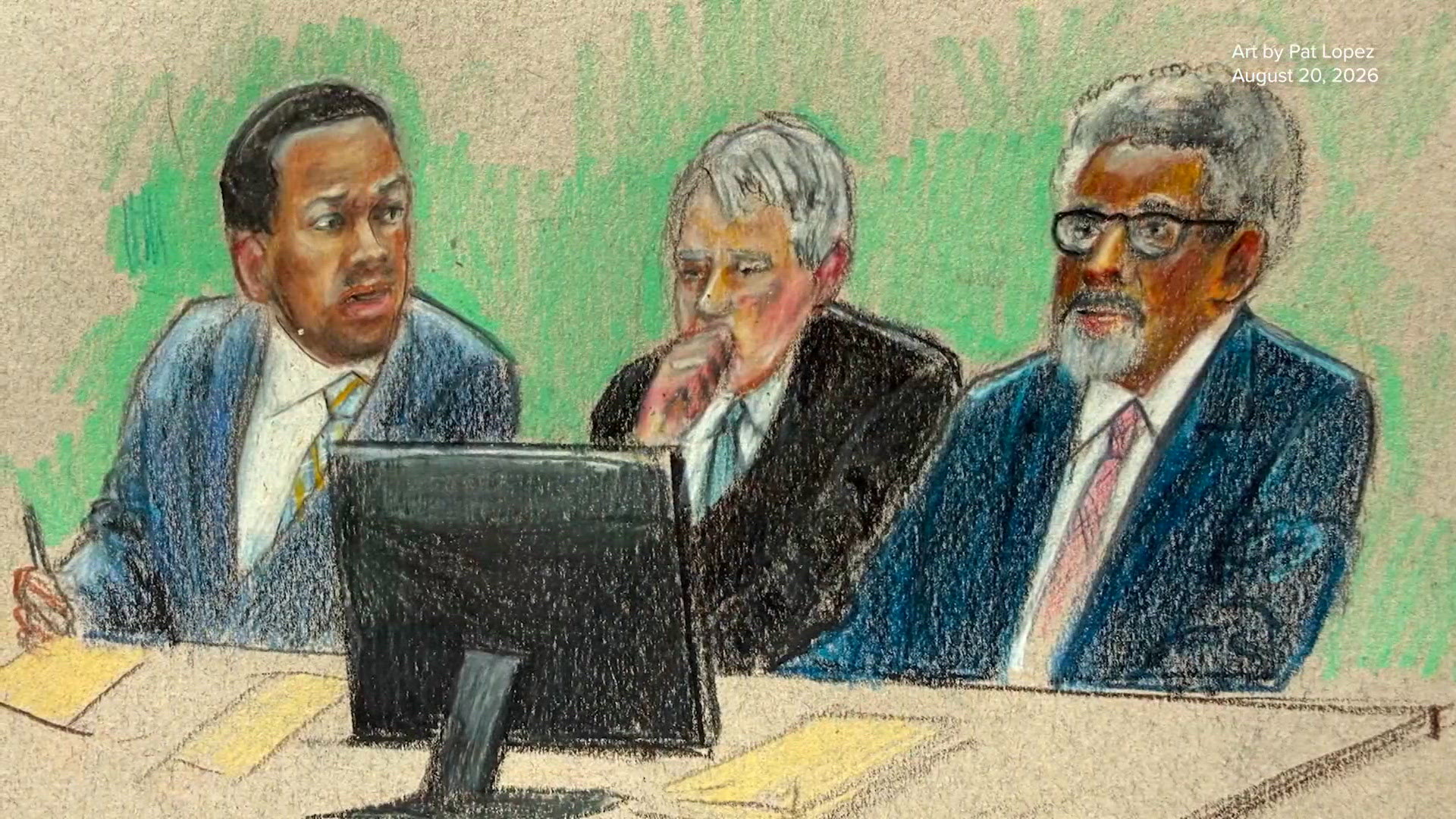
He sat at the defense table Thursday as his attorneys argued that the June trial was compromised by a series of decisions the court permitted.
The hearing was scheduled to continue into Friday. No indication was given about when a ruling might come.
What Was Kept Out
Prosecutor Bill Wirskye acknowledged that both sides withheld evidence deliberately, and he explained the reasoning.
Anthony is Black. Metcalf was white. Social media had amplified the killing in explicitly racial terms even though attorneys on both sides told jurors the case had nothing to do with race.
The suppressed material cut in both directions.
Wirskye said he agreed not to introduce evidence indicating Anthony had an obsession with guns and knives, that he was angry on the morning of the stabbing, and that he had once sent a text message fantasizing about stabbing someone.
His assessment of the day was blunt: Anthony went there spoiling for a fight.
On the other side, defense attorney Mike Howard said his team possessed information showing Metcalf had used racial slurs and bullied Black classmates. Metcalf’s parents sat quietly in the gallery as Howard described this in open court.
Howard summarized the shared motivation simply. Everyone wanted the temperature turned down.
The Defense Argument for a New Trial
Attorney Russell Wilson, who did not represent Anthony at the criminal trial, argued Thursday that the arrangement produced procedural failures serious enough to require starting over.
He told the judge that the case’s original judge permitted what he called a shadow docket, shielding character information about both parties from public view.
Everything was done off the record and at an astonishing pace, Wilson said.
His argument is fundamentally about transparency rather than guilt. Criminal proceedings are public by constitutional design, and decisions made without a record cannot be reviewed by appellate courts.
The Prosecution’s Response
Wirskye maintained that Anthony received a fair trial and emphasized that his original attorneys consented to everything that occurred.
He defended his own choice to forgo the character evidence, saying he wanted the jury focused on the moments immediately preceding the stabbing rather than on either young man’s history.
The evidence, in his telling, was sufficient without it. Witness after witness testified that Anthony committed the act and that it was not self-defense.
The Atmosphere Around the Case
Wirskye described conditions that help explain why both legal teams wanted to limit inflammatory material.
There were threats against the trial judge. Fabricated autopsy reports circulated online. Witnesses faced intimidation attempts. At one point, officials had to smuggle Anthony into the courthouse out of concern for his safety.
The lawyers on both sides were worried about their lives, Wirskye said.
Both families reported being targeted by harassment as national attention intensified.
A Judge Already Removed
Anthony’s team secured one victory before Thursday’s hearing began.
On Wednesday, state District Judge John Roach was removed from the case. His attorneys had sought the removal partly because of a television interview in which Roach stated that jurors got it right in delivering the guilty verdict.
Judge Michael Chitty was assigned to consider the retrial motion.
Public comment by a trial judge endorsing a verdict is unusual and creates obvious problems for any subsequent proceedings before that judge.
What Happened at the Track Meet
Testimony from students described how the confrontation began.
Multiple schools were competing on a rainy spring day. Anthony sat under a tent in the bleachers that belonged to Metcalf’s team. Metcalf and others repeatedly told him to leave.
According to a police report, Anthony at one point reached into a bag and said: “Touch me and see what happens.”
Witnesses testified that Metcalf then pushed him, and that Anthony pulled out a knife and stabbed him in the chest.
Prosecutors argued Anthony provoked the encounter, and witnesses described him as the aggressor.
The Legal Question Underneath
The retrial motion raises a genuinely difficult issue.
Attorneys can and routinely do agree to exclude evidence. Such agreements often benefit both sides and can produce a cleaner trial focused on the central facts.
The complication here is whether those agreements were made properly on the record, whether the defendant understood and consented, and whether the public’s right to open proceedings was violated.
A defendant is generally bound by strategic decisions his attorneys make. But when the objection concerns the structure of the proceeding rather than tactics within it, courts sometimes look more closely.
What Comes Next
Judge Chitty will decide whether the Karmelo Anthony retrial motion succeeds.
Granting it would mean revisiting a case that both legal teams worked deliberately to keep contained, this time with the withheld material now public and the surrounding attention undiminished.
Author