Houthi detention has claimed the life of another United Nations employee, prompting the world body to demand a full and independent investigation. Mohammad el-Shami, who worked for the Office of the United Nations High Commissioner for Human Rights in Yemen, died in custody more than a month ago. His family, however, was only told of his death recently, a delay that has deepened anger and suspicion over how he was treated.
A Death Shrouded in Silence
The UN disclosed the news in a statement on Saturday, confirming that el-Shami had passed away while being held by the Houthi authorities. What the rebel group has not disclosed is the cause of his death. No explanation has been offered, no medical details released, and no account given of the conditions he endured during his final weeks.
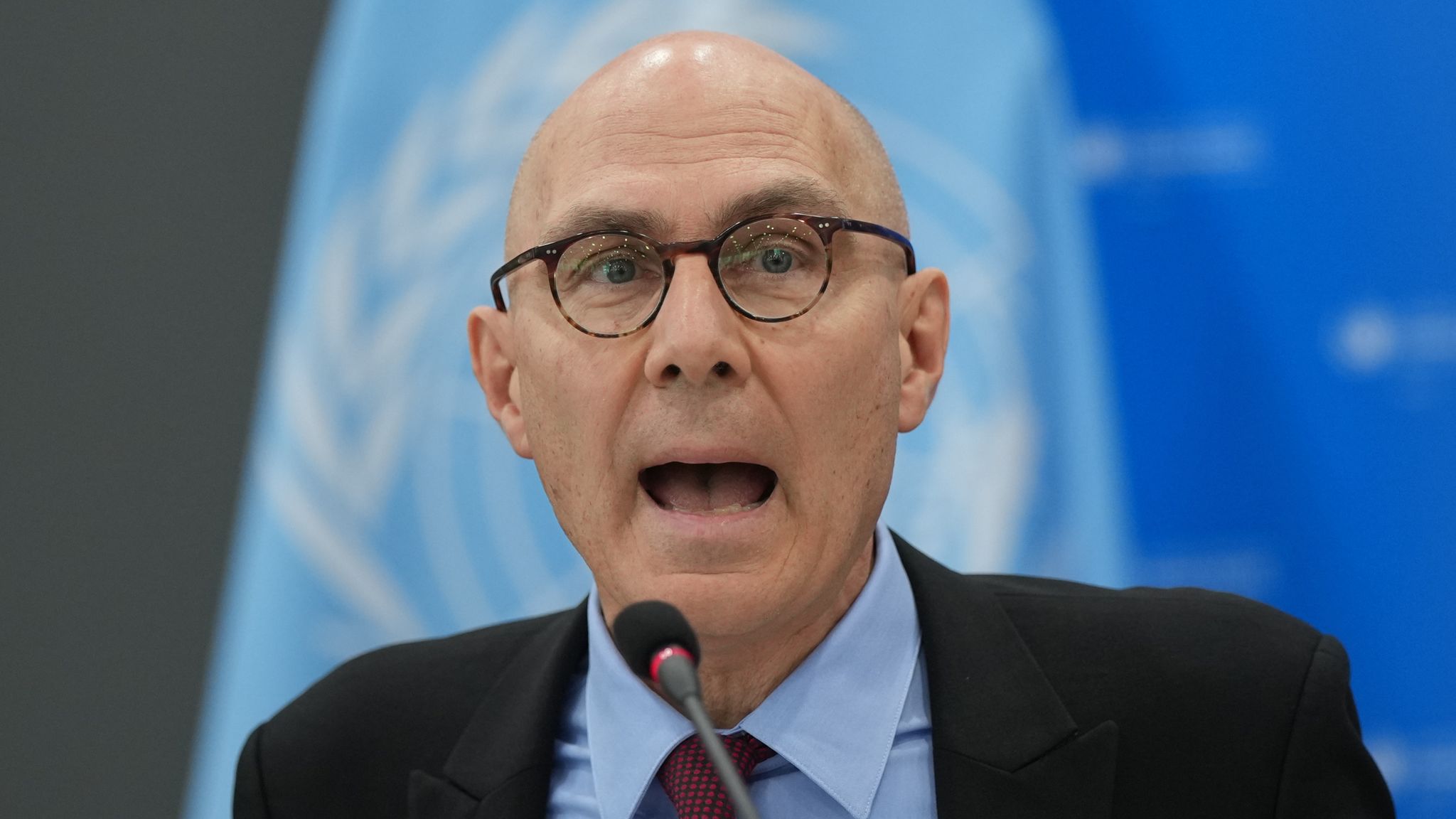
Volker Turk, the UN’s top human rights official, said el-Shami’s relatives are entitled to learn what really happened. He pressed the Houthis for complete openness and insisted that an urgent, impartial and comprehensive inquiry be launched without delay.
The Secretary-General Responds
UN Secretary-General Antonio Guterres issued his own statement the same day, describing himself as appalled by the news. He backed Turk’s demand for an investigation and said the organisation was pressing the group hard for answers about the circumstances surrounding el-Shami’s death.
The coordinated response from the two most senior figures in the UN system reflects the seriousness with which the organisation views the case. It also signals growing frustration that repeated appeals for the release of detained staff have gone unanswered for well over a year.
How El-Shami Ended Up in Custody
El-Shami’s ordeal began in June 2024. That month, the Houthis rounded up more than 60 people employed by the UN and various non-governmental organisations, accusing them of belonging to what the group called an American-Israeli spy ring. The arrests were sweeping and arbitrary, with no credible evidence presented to support the espionage allegations.
The UN has consistently rejected the accusations and has described the detentions as unlawful. Despite that, the detainees remained behind bars, cut off from the outside world and, in many cases, from their families.
Seven Colleagues Still Held
El-Shami was not the only OHCHR employee caught up in the sweep. Seven of his colleagues were detained at the same time and remain in Houthi hands to this day. Turk said he was gravely worried about their welfare and once again called for them to be freed immediately and without conditions.
The death of one of their number has inevitably raised fears about the safety of those still in custody. If the Houthis will not explain how el-Shami died, there is little reason for confidence that the others are being treated humanely.
A Pattern of Deaths and Detentions
El-Shami is the second UN staff member to lose his life while held by the group. In February 2025, an employee of the World Food Programme died in similar circumstances. That earlier death prompted the UN to suspend operations in certain areas controlled by the Houthis, citing the danger to its personnel.
The scale of the detentions is striking. In total, 72 people working for the UN and NGOs, el-Shami among them, have been taken into custody by the rebels. Many of these individuals were engaged in humanitarian work in a country where millions depend on international aid to survive.
Televised Accusations
The Houthis have at times sought to justify the arrests by broadcasting footage of detainees on their television channels, presenting them as agents working for Western intelligence services and Israel. Such appearances are widely viewed as coerced, and human rights groups have condemned the practice as a form of public humiliation designed to intimidate both the detainees and anyone who might consider working with international organisations.
A Rare Release
There have been occasional glimmers of movement. On October 6, the UN announced that a World Food Programme employee had been released after being arbitrarily detained by the Iran-backed group. The release was welcomed, but it did little to change the overall picture, with dozens still held and no clear path toward their freedom.
Why This Matters Beyond Yemen
The targeting of UN and aid workers strikes at the heart of how humanitarian operations function in conflict zones. Organisations rely on the ability of their staff to move and work without fear of arrest or persecution. When that protection collapses, the consequences fall hardest on ordinary civilians who lose access to food, medical care and other essentials.
Yemen has endured years of war and is among the world’s most severe humanitarian emergencies. The decision by the UN to scale back its presence in Houthi-controlled territory after the first death in custody showed how the detentions directly undermine the delivery of aid.
Pressure Mounts on the Houthis
The UN’s demands now place the burden squarely on the rebel group. Investigators would need access to detention facilities, medical records and witnesses, something the Houthis have shown no willingness to provide so far. Whether international pressure can change that remains uncertain.
For el-Shami’s family, the immediate need is simpler: an honest account of how he died. For the seven OHCHR staff and dozens of others still detained, the hope is that his death will finally force a reckoning that leads to their release.
The Road Ahead
The UN has made its position clear, but words alone have not freed anyone in the past 16 months. What happens next will depend on whether the Houthis respond to the calls for transparency or continue to stonewall. Until then, the fate of those still in custody hangs in the balance, and the memory of Mohammad el-Shami stands as a stark warning of the risks faced by those who serve in Yemen.
Author