Channel Migrant Crossings Shift to Longer, Riskier Routes From Normandy and Beyond
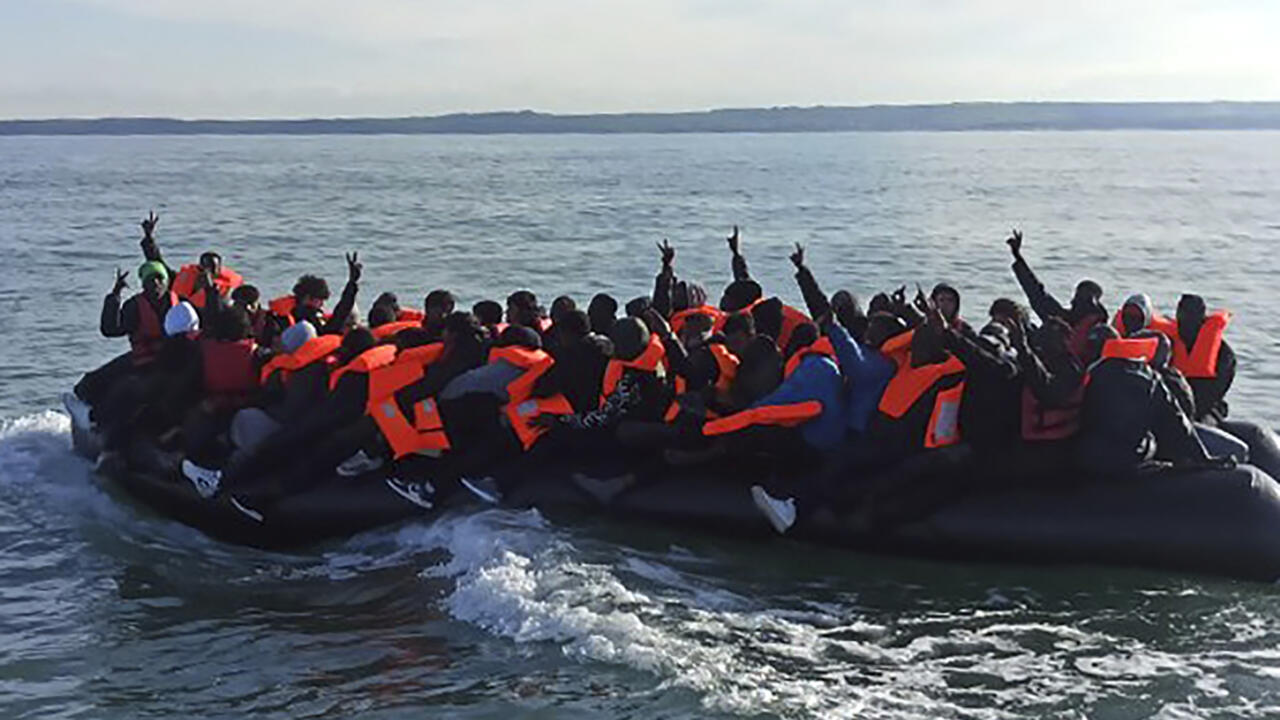
Channel migrant crossings are taking a dangerous new turn. French authorities say a rising number of small boats are now setting off from beaches much further south and west than the familiar launch points near Calais and Dunkirk. The result is longer journeys, more time at sea and a far greater risk to the lives of those on board.
While the total number of people reaching the UK by small boat has fallen this year, the stretch of coastline used by smugglers appears to be growing.
A 30-Hour Ordeal at Sea
One recent case highlights just how extreme these journeys have become. Last week, a boat left the coast of Normandy and remained at sea for more than 30 hours before Border Force intercepted it and brought those on board to Dover.
Earlier this month, another vessel that had departed from the Cherbourg area was met by lifeboats from the Isle of Wight.
These departure points lie close to 80 miles from the beaches where most small boat crossings have started in recent years. That extra distance means people are spending many more hours exposed to the open sea.
Normandy Sees a Sharp Rise in Attempts
Crossing attempts from Normandy have traditionally been uncommon, but that is changing. Authorities in the neighbouring Seine-Maritime area say:
- There have been 58 crossing attempts so far this year
- That compares with 30 attempts during the whole of last year
Audrey Baconnais-Rosez, the government’s local representative in Seine-Maritime, said crossing attempts were becoming more frequent and were moving steadily further away from northern France. She estimated that authorities are currently stopping about half of them.
Stepping Up Patrols
To respond, French authorities have boosted their presence along the coast between Dieppe and the area near Le Havre. According to Baconnais-Rosez, around 50 gendarmes are now patrolling the coastline, supported by close to 20 police officers in and around Dieppe.
She also revealed that some smugglers are still trying to move people via ferries heading to Newhaven in Sussex. Those attempts are being intercepted, she said, and the people behind them are being prosecuted.
Why Smugglers Are Moving Further Away
Experts believe the shift is largely a reaction to tighter policing in northern France.
Dr Peter Walsh, a senior researcher at the University of Oxford’s Migration Observatory, said it was highly likely that disruption to boat launches near Calais and Dunkirk has pushed smugglers to look elsewhere.
He pointed out that setting off so far from the UK makes little practical sense for those making the journey. Instead of a crossing of around 20 miles, some trips now stretch to 50 miles or more, dramatically increasing the danger for everyone on board.
The Hidden Dangers of Longer Journeys
Marine safety consultant David McFarlane warned that the longer a boat stays at sea, the greater the chance it will run into rough conditions.
He explained that when low-pressure weather systems form over the Atlantic, the swell can build even before the wind strengthens. This can leave passengers seasick, which in turn can lead to dehydration.
Conditions can change rapidly. Winds can pick up without much warning, and waves in the Channel can reach up to 3.5 metres. That raises the risk of small boats being swamped, putting people in serious danger of drowning or suffering from exposure.
The key risks of longer routes include:
- More hours exposed to changing weather
- Higher chances of seasickness and dehydration
- Greater likelihood of large waves swamping boats
- Increased danger of drowning or hypothermia
The Numbers Behind the Trend
Despite the worrying new routes, official figures show a clear drop in overall crossings. So far in 2026, 19,135 people have crossed the Channel by small boat, compared with 32,188 over the same period in 2025.
However, there are signs that pressure is building again. Last Wednesday, 781 migrants arrived in 10 small boats, the highest total for a single day this year, according to Home Office data.
Review Ordered After Undetected Landings
The Home Secretary ordered a review last week after two migrant boats managed to reach the Kent coast without being intercepted. The incident raised fresh concerns about gaps in border surveillance.
Smugglers Will Keep Adapting
Tony Smith, former director general of Border Force, believes smuggling gangs will continue to change their tactics. He pointed to both the Normandy crossings and the undetected landings as evidence of this.
In his view, the gangs will not give up while their business model remains profitable and there is still demand from migrants in France. He warned that every successful landing sends a signal to others waiting on French beaches that the journey is worth attempting.
What the Government Is Doing
A Home Office spokesperson said joint operations with France have prevented more than 48,000 crossing attempts and led to the seizure of over 1,100 boats and engines since the election.
The spokesperson noted that small boat crossings are down significantly this year, with July recording the lowest number for that month since 2020.
New Measures on the Way
The government says it plans to go further. Its latest steps include:
- A payment-by-results agreement with France to increase officers on French beaches by 40 percent
- A surge unit of 45 additional officers to strengthen enforcement along western coastal areas
The Road Ahead
The shift towards longer routes shows how quickly smuggling networks can adapt to enforcement. While fewer people are reaching the UK overall, those who do attempt the journey may now be facing even greater danger.
For authorities on both sides of the Channel, the challenge is twofold: disrupting the criminal gangs behind the crossings while preventing more tragedies at sea. As policing pushes smugglers further along the French coastline, the risk is that the journeys become longer, deadlier and harder to detect.
Author