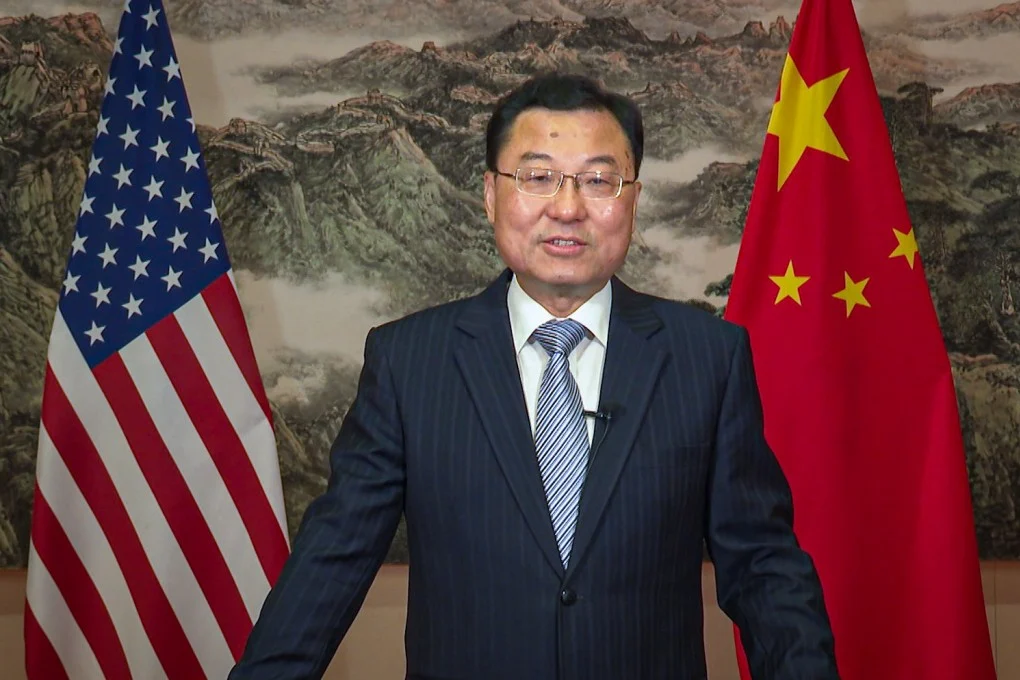
China Slams New U.S. Visa Rules as ‘Discriminatory,’ Warns of Retaliation
A fresh clash between Washington and Beijing is brewing over immigration policy. New U.S. visa regulations that sharply limit how long foreign students, cultural exchange visitors, and journalists can stay in the country have drawn a furious response from China, which is now demanding the rules be scrapped and hinting at retaliation.
The dispute adds another layer of friction to an already tense relationship and raises real concerns for the hundreds of thousands of foreigners who build their lives around U.S. visas.
Beijing’s Sharp Rejection
China wasted no time voicing its objections. Speaking at a press conference on Friday, foreign ministry spokesperson Lin Jian urged the United States to roll back what he called discriminatory visa regulations, arguing the measures serve no one’s interests.
More pointedly, Beijing signaled it isn’t prepared to simply absorb the changes. Officials said China reserves the right to respond with reciprocal countermeasures — a warning that could open the door to new restrictions on American citizens seeking to study, work, or report inside China.
At the heart of Beijing’s frustration is a provision that singles out its nationals for especially tight limits, a detail that has fueled accusations of unfair targeting.
What the New Rules Actually Do
The changes stem from a final rule issued by the U.S. Department of Homeland Security. For the first time, the rule sets fixed time limits on three key visa categories that previously allowed holders to remain for the full length of their program or job.
The affected visas include:
- F visas for international students
- J visas for cultural exchange visitors who work in the U.S.
- I visas for members of the media
Under the old system, these visas simply lasted as long as the underlying program or employment did. The new framework replaces that open-ended approach with hard deadlines.
Students and exchange visitors would now be capped at no more than four years. Journalists face steeper cuts. Where media visas could once stretch on for years, they would now be limited to 240 days — and for Chinese nationals specifically, just 90 days.
The rule is set to take effect 60 days after publication in the federal register, though it remains subject to congressional review.
Tighter Restrictions for Students
The impact reaches well beyond expiration dates. The regulations impose several new constraints that critics say could upend the lives of people already deep into their studies.
Among the most significant changes, the rules would:
- Bar graduate students from changing their educational objectives at any point
- Prohibit transfers to another school without prior authorization
- Cut the window for leaving the U.S. after finishing a degree or training from 60 days down to 30
Visa holders who wish to stay longer than their fixed period would need to either apply to DHS for an extension or travel abroad and re-enter the country to gain readmission.
Fierce Criticism at Home
The rule has drawn strong pushback from immigration experts and former officials who argue it creates unnecessary obstacles.
Doug Rand, a former DHS official, argued that most Americans recognize the value of welcoming international students and cutting pointless bureaucracy — and that this rule accomplishes the exact opposite.
David J. Bier, who directs immigration studies at the Cato Institute, went further, insisting there was no legal foundation for the new study and transfer restrictions. He warned that international students, many of whom have already spent years in the country, would suddenly have just 30 days to find an employer willing to sponsor them or risk becoming undocumented overnight. He questioned whether the rule’s authors grasped how people’s lives actually work.
Part of a Broader Crackdown
The visa changes don’t exist in isolation. They fit into a far wider immigration crackdown launched after President Donald Trump took office in January 2025.
Since then, the administration has intensified scrutiny of legal immigration on multiple fronts. It has revoked student visas and green cards from university students over their ideological views and stripped legal status from hundreds of thousands of migrants. The latest measures extend that pressure to a new group — foreign students, exchange workers, and journalists who had previously enjoyed more flexible terms.
Why DHS Says the Change Is Needed
For its part, the department points to a surge in visa numbers as justification. Officials say the sheer volume of visitors has strained their ability to keep track of who is in the country and for how long.
The figures cited are substantial. According to DHS, 2024 saw more than 1.8 million student visa admissions, an increase of over 11% from the previous year. In fiscal year 2024, which began in October 2023, the U.S. also granted visas to more than 500,000 exchange visitors and 37,300 members of the media.
The department argued that this dramatic growth poses a genuine challenge to its ability to monitor and oversee these visitors during their stays. It also claimed to have numerous examples of students and exchange visitors remaining in the country for decades on their visas — a pattern the new time limits are meant to curb.
The Bigger Picture
Beneath the technical details lies a familiar tension between security and openness. Supporters frame the rule as a common-sense move to restore oversight and prevent indefinite stays. Detractors see it as a self-inflicted wound that could discourage talented students, damage cultural exchange, and chill press freedom.
The stakes are especially high given the numbers involved. Millions of people rely on these visa categories, and any disruption ripples through universities, research programs, newsrooms, and the broader economy.
What Comes Next
With China threatening countermeasures and immigration advocates preparing to challenge the rule, the coming weeks could prove decisive. The 60-day runway before the regulations take effect leaves room for congressional review, legal action, and diplomatic maneuvering.
For now, the message from Beijing is clear, and the debate inside the United States is only intensifying. Whether the rule survives in its current form — or triggers a broader standoff between the world’s two largest economies — remains an open question with consequences that reach far beyond the visa office.
Author