Lebanon Hezbollah Israel War 2026: Lull in Fighting Allows Families to Bury Their Dead
The Lebanon Hezbollah Israel War 2026 continues to leave a heartbreaking mark on the people of Lebanon. As the latest round of conflict between Israel and the Iran-backed Hezbollah movement enters another deadly phase, entire communities have been left mourning, displaced, or simply trying to survive. Despite a fragile ceasefire that has barely held since April, the human toll of the war has been staggering. More than 3,000 Lebanese citizens have been killed since the conflict erupted in March, according to Lebanon’s Health Ministry.
Even during this brief window of relative calm, the country is anything but at peace. Instead, the lull has given families across southern Lebanon a rare moment — a chance to return home, mourn their dead, and bury those they had been forced to leave behind in temporary graves.
A Fragile Ceasefire Strained by Daily Violence
The ceasefire, which officially took effect on April 17, was meant to halt the months-long exchange of attacks between Hezbollah and Israeli forces. In reality, the agreement has been violated almost constantly. Cross-border fire has continued, and recent weeks have seen the violence intensify once again.
Late Friday and early Saturday, dozens of Israeli airstrikes hit Lebanon, killing and injuring several people, according to Lebanon’s national news agency. The renewed strikes have placed enormous strain on the ceasefire and raised fears that the conflict could escalate into full-scale war once again.
Some of the most significant pressures threatening the ceasefire include:
- Continued daily exchanges of fire across the border
- Escalating airstrikes targeting southern Lebanese villages
- Ongoing displacement of civilians caught in the crossfire
- Damage to vital infrastructure including roads and medical facilities
- Disruption of cross-border humanitarian operations
Yet even amid such uncertainty, this fragile pause in heavy fighting has allowed civilians a small but important window to grieve.
A Long-Awaited Return Home
For many southern Lebanese families, the truce has meant the first opportunity to revisit their hometowns since the war intensified. Streets that had been emptied by months of fighting have come alive briefly with returning residents, despite the destruction left behind.
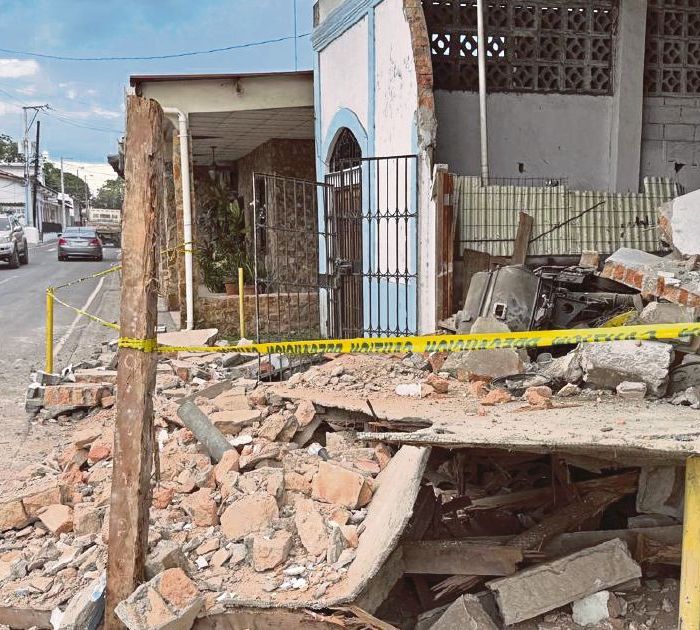
Some came back to find their homes destroyed. Others returned only to gather the bodies of loved ones who had been buried in makeshift graves during the worst months of the violence. The visits, while emotional and devastating, have offered a moment of closure for thousands of families across the south.
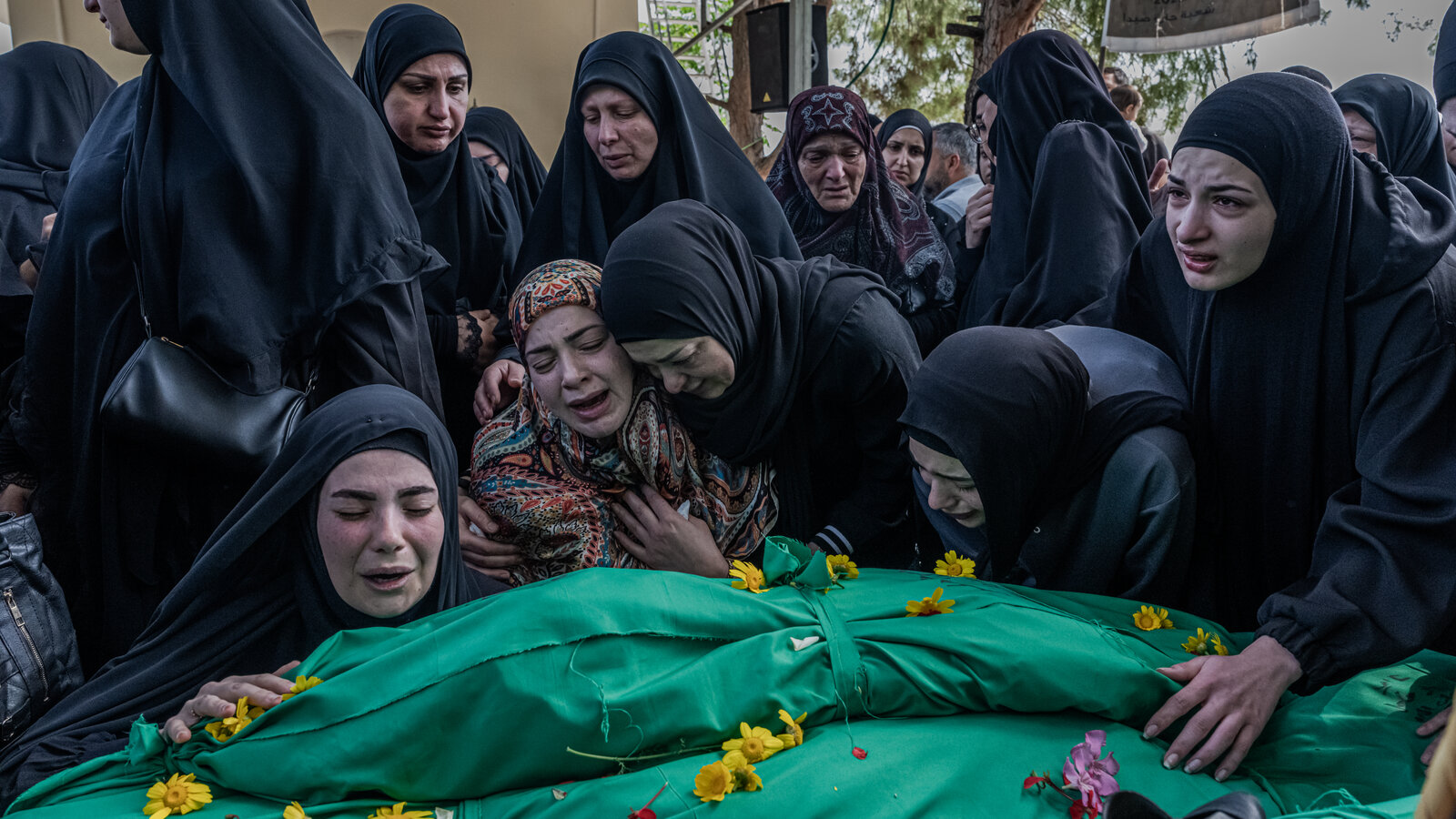
For weeks, ambulances have flowed steadily into southern towns. Each carried the remains of fighters or civilians, often accompanied by mourners. Some women clung desperately to the coffins, screaming through tears as religious verses played over loudspeakers. The streets echoed with cries of grief in scenes that have become tragically common.
Temporary Graves and Mass Funerals
During the months of fighting, many Lebanese were buried in temporary graves because the violence made it impossible to reach their hometowns. These hastily dug pits could be found in plain dirt fields and patches of land across the capital Beirut and in southern cities such as Tyre.
The graves were marked simply, often with little more than:
- Cinder blocks labeled with numbers in red spray paint
- Plywood coffins lowered into trenches
- Black plastic markers identifying the deceased
- Personal items left behind by grieving family members
- Hezbollah or Lebanese flags placed by mourners
Once the ceasefire took hold, emergency workers began the grim task of exhuming bodies so they could be reburied in their hometowns. Excavators and shovels worked side by side, carefully unearthing coffins without damaging them. The coffins were then sprayed with perfume to mask the stench of decay, wrapped in plastic tarps, and covered with either national or Hezbollah flags.
Some of those buried were Hezbollah fighters, drawing massive crowds during memorial processions. Others were ordinary civilians caught in the relentless violence.
The Grief of Families Looking for Loved Ones
Among the most heart-wrenching scenes were those of family members searching for their missing relatives. In Tyre, a young woman named Zeinab Yazoun frantically scanned photos placed beside the graves, looking for any sign of her father. She had only been told that he had been buried somewhere in that cemetery.
Beside her, another woman wept uncontrollably over the grave of her brother, a Hezbollah fighter killed during the conflict. Her cries echoed the agony felt by thousands of Lebanese families who have lost loved ones during the war.
These moments of mourning, repeated daily across southern Lebanon, reveal the deep emotional scars left by months of brutal violence.
The Cost on Hezbollah’s Fighters
While Hezbollah has not publicly revealed how many of its fighters have been killed in the war, the group is believed to have suffered significant losses. Public funeral bulletins suggest that more than 100 fighters have been formally honored in funerals across southern Lebanon, providing rare insight into the conflict’s heavy toll on the group.
Hezbollah’s support is strongest in the south, where many of its fighters and supporters live. As a result, the entire region has become deeply affected by the war, both in terms of casualties and the destruction of livelihoods.
Civilian Toll Reaches Devastating Levels
Beyond combatants, the civilian death toll has been staggering. Lebanese authorities have reported that since the war began:
- Nearly 300 women have been killed
- More than 200 children have lost their lives
- At least 5 Lebanese journalists have died in attacks
- More than 100 emergency medical and health care workers have been killed
- More than 140 Israeli attacks have targeted ambulances or medical facilities
These figures highlight the breadth of the destruction and the humanitarian crisis unfolding in real time. Israel has stated that 18 military personnel and two civilians have died as a result of Hezbollah attacks. The Israeli military insists it does not intentionally target medical personnel and takes precautions to reduce civilian harm.
Destruction of Towns and Cemeteries
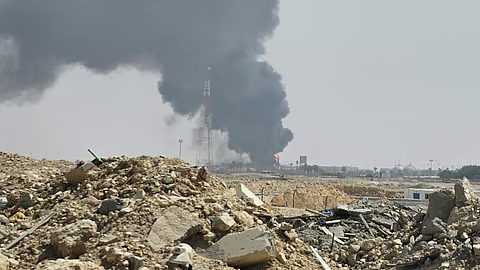
The conflict has not only taken lives but has also reshaped the geography of southern Lebanon. Israeli forces have seized a strip of Lebanese territory along the border, stretching up to six miles deep, and have flattened many of the villages within it. The destruction has prevented many residents from ever returning home.
Beyond the occupied zone, Israeli strikes have also destroyed local cemeteries, making traditional burials in some southern villages impossible. As a result, families have been forced to bury their loved ones in regions far from where they once lived.
A Country Caught Between War and Mourning
As the ceasefire continues to weaken, the situation across southern Lebanon remains tense. Thousands of displaced people are still uncertain about whether they will be able to return permanently. Even more uncertain is whether the dead will ever truly be laid to rest in their ancestral lands.
The combination of constant airstrikes, fragile truces, and rising tensions has placed Lebanon in one of the most challenging periods of its modern history. Families continue to wait, hoping for both peace and the chance to grieve fully.
Final Thoughts
The Lebanon Hezbollah Israel War 2026 has caused enormous loss and pain across Lebanon. With over 3,000 lives lost, communities shattered, and entire villages destroyed, the war has reshaped the country in ways that will take generations to heal.
Yet even amid such devastation, the brief pauses in violence have allowed families to mourn, bury their loved ones, and seek some sense of closure. As the ceasefire continues to be tested, the world watches closely to see whether Lebanon will be given a real chance to recover — or whether the cycle of war and grief will continue.
For now, the people of southern Lebanon hold on to hope, prayer, and the memory of those they have lost, refusing to let the violence erase the love and history that defined their lives.
Author