A dramatic coking coal prices surge has shaken global commodity markets after a catastrophic mining disaster in China sent shockwaves through the industry. Coking coal futures in China climbed by nearly 8 percent, hitting their daily upper trading limits, as a sweeping wave of safety inspections across one of the country’s most important coal-producing regions raised serious concerns about future supply.
A Deadly Disaster in Shanxi Province
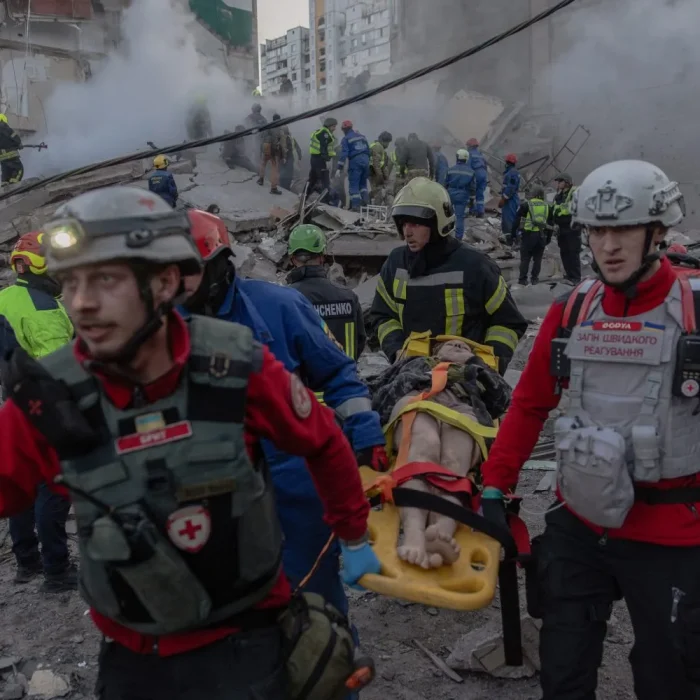
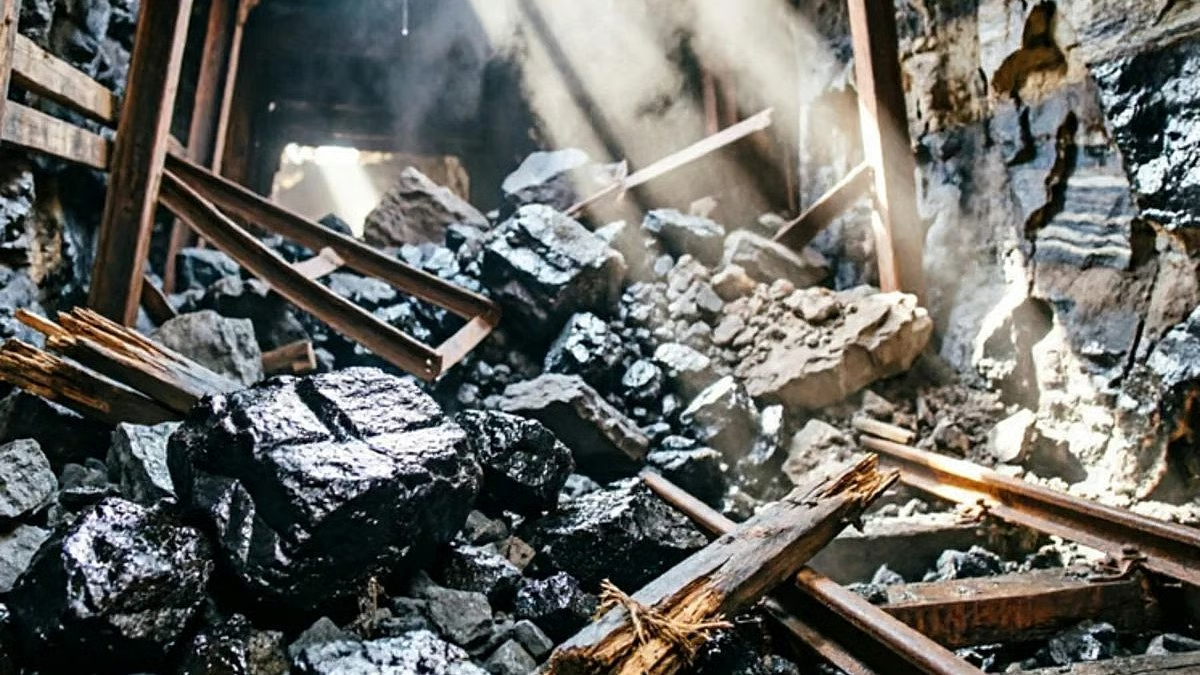
The market reaction came in the wake of a tragic incident in Shanxi province, where a gas explosion at a coal mine claimed the lives of 82 workers on Friday. The accident has been described as China’s deadliest mining disaster since at least 2009, marking a grim milestone for an industry that has long struggled with safety concerns.
Shanxi is widely regarded as the heart of China’s coal production, and any disruption in the region carries significant implications for both domestic and global energy markets. The scale of the tragedy has prompted authorities to take swift and decisive action, ordering stringent safety inspections across mining operations throughout the area.
How the Market Reacted
Almost immediately after news of the disaster broke, commodity traders responded with sharp price movements. Coking coal futures jumped nearly 8 percent, hitting their maximum allowable daily increase. Such limit-up moves typically signal not only urgent buying pressure but also widespread concerns about supply tightening in the days and weeks ahead.
The price surge reflects several interconnected market worries:
- Possible shutdowns of mines undergoing safety reviews
- Delays in production resumption across Shanxi
- Reduced output from China, the world’s largest coal producer
- Increased reliance on imports to fill supply gaps
- A potential ripple effect on global steel manufacturing, which heavily depends on coking coal
Why Coking Coal Matters Globally
Coking coal, also known as metallurgical coal, plays a critical role in the production of steel. Unlike thermal coal, which is primarily used for energy generation, coking coal is essential for blast furnaces that produce iron and steel. As a result, even small disruptions in its supply can send ripple effects across multiple industries worldwide.
Major sectors that depend on a steady coking coal supply include:
- Steel and iron manufacturing
- Construction and infrastructure development
- Automotive production
- Heavy machinery industries
- Shipbuilding and railways
With China being both a top producer and a major consumer of coking coal, any disruption in its mining sector tends to influence prices in markets far beyond its borders.
Safety Crackdown Tightens Supply Outlook
In response to the disaster, Chinese authorities have launched a sweeping safety inspection campaign across mining sites in Shanxi and other key regions. While such measures are essential for protecting workers and preventing future tragedies, they often come with short-term economic consequences.
Industry analysts expect that:
- Some mines may be temporarily shut down for compliance reviews
- Production schedules could be delayed for weeks
- Smaller, less compliant operations may face longer suspensions
- Output across the broader Shanxi region could decline significantly in the near term
These factors combined have fueled speculation in the futures market, contributing to the sharp price increase observed at the start of the trading week.
A Recurring Challenge for China’s Coal Industry
Despite years of reforms, China’s coal mining industry continues to grapple with safety challenges. Although fatal accidents have decreased significantly compared to past decades, occasional disasters serve as painful reminders of the risks faced by miners. The latest tragedy in Shanxi has reignited debate over:
- The pace of safety modernization in mining
- Enforcement of existing regulations
- Accountability for mine operators
- Worker training and emergency preparedness
- The balance between energy demand and worker safety
For families affected by the disaster, however, the focus remains squarely on grief and the urgent need for accountability.
Broader Implications for Global Markets
The coking coal prices surge is more than a domestic Chinese issue — it has significant implications for international commodity markets. As supply tightens in China, global buyers may look to alternative sources, including Australia, Mongolia, and Russia, potentially driving up prices in those markets as well.
Steelmakers in countries like India, Japan, South Korea, and parts of Europe are likely to monitor the situation closely. Higher coking coal costs could, in turn, push up steel prices globally, affecting industries that rely on affordable raw materials.
What Lies Ahead
In the coming days, market watchers will be closely tracking:
- Updates on the Shanxi mine investigation
- The duration of regional safety inspections
- Production figures from major Chinese coal hubs
- Government announcements on mining regulations
- Movements in international coking coal prices
If the disruption proves prolonged, the global steel and energy sectors could face mounting pressure, especially during a period when demand for construction materials remains strong in many parts of the world.
A Tragedy With Far-Reaching Consequences
The catastrophic events in Shanxi have not only devastated families and communities but also exposed the fragile balance between resource demand and worker safety in one of the world’s most critical industries. The resulting coking coal prices surge serves as a powerful reminder of how deeply interconnected global commodity markets are with local realities on the ground.
As China works to enforce stricter safety measures and stabilize its mining sector, the world will be watching to see how the industry recovers and adapts. For now, the message from the markets is clear — when tragedy strikes at the heart of a major production hub, the impact reverberates far beyond the mine itself.
Final Thoughts
The recent coking coal prices surge underscores how a single disaster can disrupt entire industries, influence international trade, and reshape commodity markets within days. While markets react quickly to such events, the human cost remains the most significant story. The 82 lives lost in Shanxi represent more than statistics — they are a sobering call for stronger safety standards, deeper reforms, and a renewed commitment to protecting those who power the world’s industries from beneath the ground.
Author