Ebola Outbreak in Congo “Likely Far Worse” Than Official Figures Suggest, Warns IRC
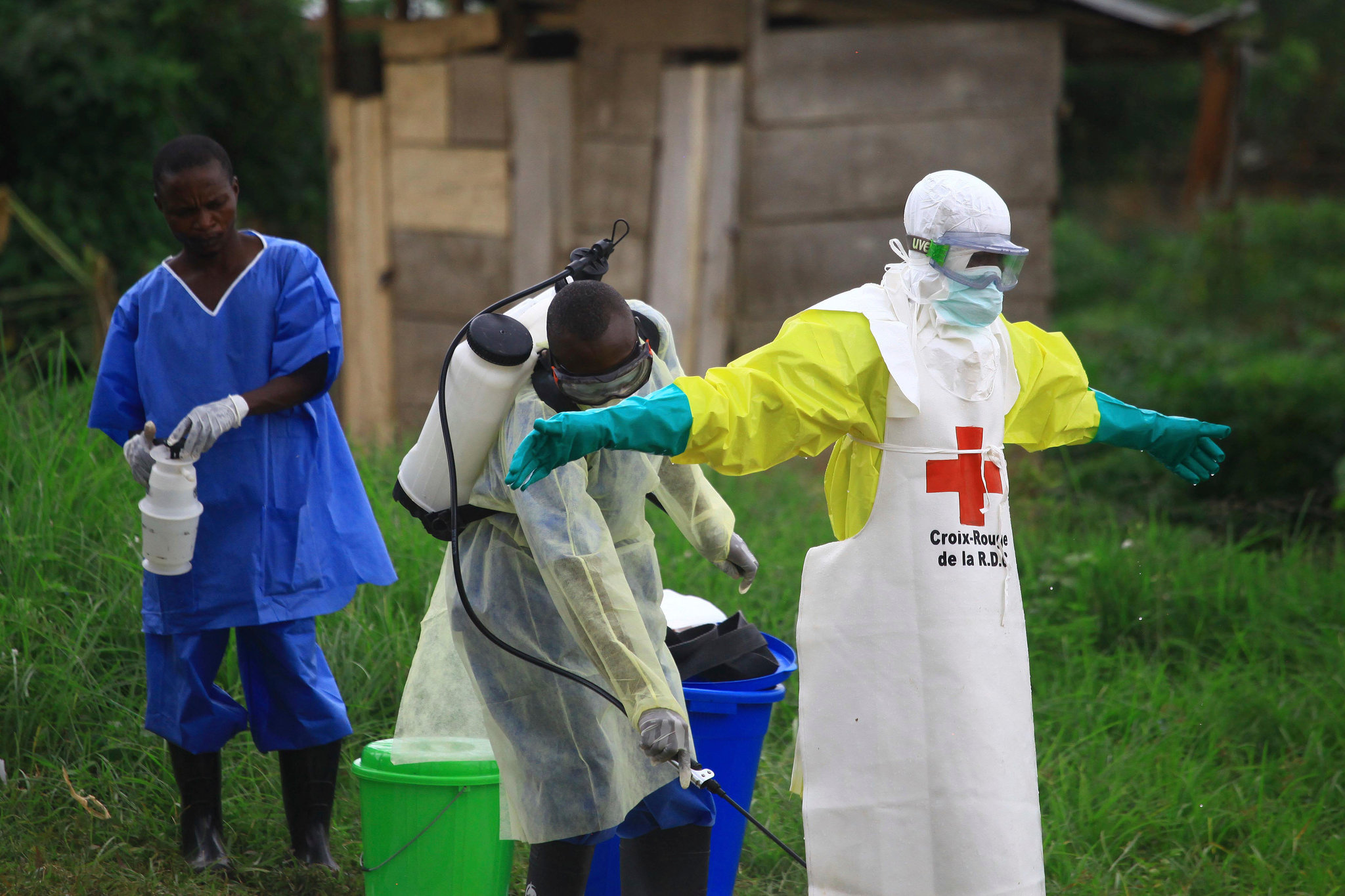
The Ebola outbreak in Congo may be far more severe than the official numbers reveal, the International Rescue Committee (IRC) cautioned on Monday. According to the New York based aid group, the response on the ground is being hampered by two serious problems: cases are being detected too late, and contact tracing has fallen to dangerously low levels.
The warning paints a troubling picture of an epidemic that could already be slipping out of view.
The Numbers So Far
As things stand, the Democratic Republic of the Congo has recorded more than 1,000 suspected cases and over 200 suspected deaths, according to the country’s Ministry of Health. Of those, 282 cases and 42 deaths have been officially confirmed.
But the IRC believes the real scope is being masked. The organization suspects that Ebola may have been circulating undetected since before March, possibly for as long as three months before health authorities formally confirmed the epidemic in mid-May. If that’s accurate, the virus had a substantial head start before anyone began fighting back.
A Contact Tracing System Under Strain
Perhaps the most alarming detail is how little tracing is actually happening. Rachel Howard, senior technical emergency health advisor at the IRC, said only around 20 percent of contacts are currently being followed. In practice, that means roughly four out of every five potential transmission chains are going unmonitored, leaving health teams unable to isolate new infections before they spread further.
Several factors are compounding the problem:
- Testing bottlenecks. Shortages of diagnostic cartridges and growing testing backlogs are slowing down case confirmation, which further hides the true reach of the outbreak.
- Loss of frontline staff. At least six healthcare workers have died, including two doctors in just the past few days.
- Community avoidance. People are steering clear of health facilities, raising fears that infected individuals are staying within their communities instead of seeking treatment.
“As a result, transmission is spreading across multiple areas, and communities are losing trust in the response,” Howard said. She stressed that the most urgent priority should be strengthening local, community based prevention and infection control to stop the virus at its source, warning that without immediate funding the situation could unravel quickly.
Spreading Beyond Borders
The outbreak is no longer contained to Congo alone. Uganda has now confirmed at least nine travel related cases along with one death, according to that country’s health officials. The IRC is increasingly concerned that the virus could reach additional nations, with Burundi and South Sudan named as possible next fronts.
Howard noted that the current crisis is starting to look uncomfortably similar to the 2018 to 2020 North Kivu Ebola outbreak. That earlier epidemic, one of the worst on record, produced more than 3,400 cases and over 2,200 deaths, according to the World Health Organization.
The Race for Vaccines
On the prevention side, there is some forward motion. The Coalition for Epidemic Preparedness Innovations (CEPI) has announced it will urgently accelerate the development of three potential vaccines aimed at the Bundibugyo virus, the strain behind this outbreak. Some public health specialists have suggested that Bundibugyo may be somewhat less lethal than other Ebola strains, though it remains highly dangerous.
The three candidates are being developed by IAVI, Moderna, and the University of Oxford, with manufacturing handled by the Serum Institute of India. Crucially, each one relies on a different proven vaccine technology, a deliberate strategy intended to maximize the odds that at least one succeeds.
What Needs to Happen Now
The IRC is pressing for urgent international support to expand the response on multiple fronts before the outbreak escalates further. That includes scaling up contact tracing, surveillance, laboratory testing, treatment capacity, and community engagement.
Howard emphasized that rebuilding trust with affected communities is just as vital as the medical response itself. She pointed to survivor led awareness efforts and risk education as powerful tools for reaching people who have grown wary of official intervention.
For now, the message from the IRC is clear and pointed: the official figures likely understate a crisis that is moving faster and reaching further than the response can currently match. Whether the world acts quickly enough may determine whether this outbreak is contained or whether it follows the devastating path of North Kivu.
Author