FBI Steps Back From Immigration Agent Cases, Handing Them to DHS’s Own Investigators
A quiet shift in FBI immigration agent investigations could reshape how the federal government handles violent encounters involving immigration officers — and it has current and former law enforcement officials raising serious concerns.
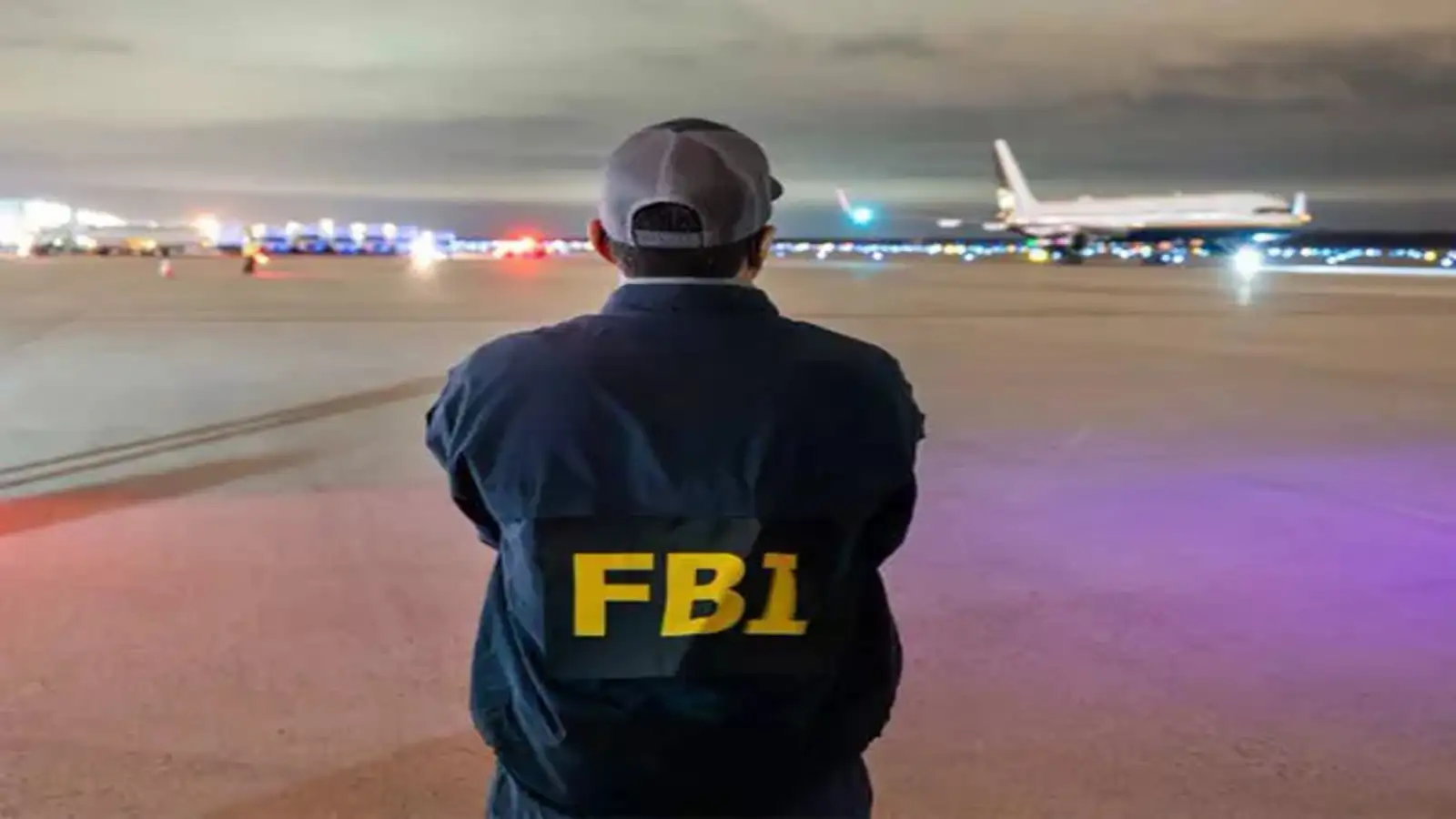
According to several people familiar with the decision, the FBI will stop taking part in probes into alleged assaults on immigration agents. Field offices were reportedly notified of the change last Thursday. Going forward, those cases would fall to Homeland Security Investigations instead.
Why the Structure Matters
HSI sits within Immigration and Customs Enforcement. Both agencies answer to the Department of Homeland Security. Put simply, the arrangement would place an immigration enforcement agency in charge of examining incidents involving its own personnel.
That’s the crux of the objection. Investigative independence is a foundational principle in law enforcement precisely because internal reviews invite doubt — even when they’re conducted in good faith. Remove the outside agency, and the conclusions become harder to defend publicly, regardless of what they find.
The Department of Homeland Security has publicly disputed that any such change is happening, pushing back in a social media statement on Sunday. The reporting on the shift first surfaced through The New York Times.
A Backdrop of Fatal Shootings
The timing is difficult to separate from recent events.
Earlier this month, two people were killed in separate incidents involving federal immigration officers:
- On July 7 in Houston, an ICE officer fatally shot a Mexican national who had lived in the United States for decades.
- Days later in Biddeford, Maine, another ICE officer fatally shot a Colombian man.
Both cases sit exactly in the category of incident that the reported policy change would affect.
What Happened in Minnesota
Minnesota has become the clearest illustration of how contentious these investigations have grown.
Earlier this year, the FBI concentrated resources in the state to look into alleged assaults on immigration officers conducting enforcement operations around Minneapolis. Several of those cases collapsed once prosecutors examined the underlying evidence and declined to proceed.
Tensions escalated sharply after a fatal encounter between an ICE officer and Renee Good. According to accounts of the episode, the Justice Department pressed the FBI and federal prosecutors to frame the matter as an assault on a federal officer rather than pursuing it as a civil rights inquiry into her death.
The framing was not a technicality. One approach treats the officer as the victim; the other treats the officer’s conduct as the subject. Several prosecutors and an FBI agent resigned rather than proceed under that direction — a costly form of dissent that rarely happens over minor disagreements.
The Alex Pretti Precedent
A similar dispute played out in January, when HSI was initially assigned to lead the federal investigation into the fatal shooting of Alex Pretti in Minneapolis, with FBI support.
That assignment immediately drew objections from current and former federal law enforcement officials, who questioned whether an ICE-affiliated body should be steering the inquiry. After the concerns mounted, the FBI and the Justice Department’s Civil Rights Division were directed to take over. That investigation is still open.
The reversal was telling. When challenged, the government moved the case back to independent investigators — which suggests the concerns were understood, if not initially acted upon.
A Capability Problem, Not Just a Credibility One
Beyond questions of impartiality, there’s a practical issue that gets less attention: HSI simply isn’t built to run officer-involved shooting investigations.
These cases demand specialized capabilities that HSI doesn’t routinely maintain, including:
- Ballistics analysis and firearm examination
- Forensic scene processing
- Systematic video and surveillance review
- Large-scale witness canvassing across a community
HSI’s traditional work centers on transnational crime — smuggling networks, financial crimes, trafficking operations. Those are genuine areas of expertise, but they don’t translate to reconstructing a shooting in seconds-by-seconds detail while preserving evidence to a standard that survives courtroom scrutiny.
An investigation that lacks those tools risks producing findings that neither side trusts. Families who lose someone won’t accept an incomplete account. Officers cleared by a thin inquiry don’t get the vindication a rigorous one would provide.
Why This Debate Keeps Returning
There’s a reason police shootings across the country are typically reviewed by outside agencies — state bureaus, neighboring departments, or federal authorities. It isn’t an assumption of misconduct. It’s recognition that findings carry more weight when the investigator has no institutional stake in the outcome.
The reported change moves in the opposite direction, consolidating enforcement and oversight inside the same department. Supporters of a more aggressive immigration enforcement posture may see it as streamlining, or as protecting officers from investigations they view as politically driven. Critics see the erosion of a check that exists for exactly these situations.
What’s Still Unclear
Several important questions remain open:
- DHS’s public denial conflicts with what sources describe, and the discrepancy hasn’t been resolved.
- It’s not stated whether the change is formal policy, informal guidance, or a temporary directive.
- Whether the Justice Department’s Civil Rights Division retains authority to open independent inquiries is unaddressed.
- Whether Congress will seek testimony or documents is unknown.
The Broader Stakes
Immigration enforcement is already among the most polarized areas of American governance. When encounters turn fatal, the credibility of whatever investigation follows becomes the only thing standing between a contested incident and a full-blown crisis of public trust.
That credibility depends heavily on who’s asking the questions. Shifting that responsibility inward — even with the best intentions — makes the answers harder for anyone to accept.
Whether this reported change survives scrutiny, gets formalized, or quietly reverses like the Pretti assignment did remains to be seen. What’s clear is that the argument over who should investigate federal agents isn’t going away.
Author