Federal Appeals Court Restricts Abortion Pill Access Nationwide in Major Ruling
Abortion pill access has taken a significant hit after a federal appeals court issued a ruling that temporarily blocks women from receiving the medication through telehealth services or by mail. The decision marks a notable win for antiabortion advocates and reignites the ongoing national debate around reproductive healthcare in a post-Roe America.
What the Court Ruling Means
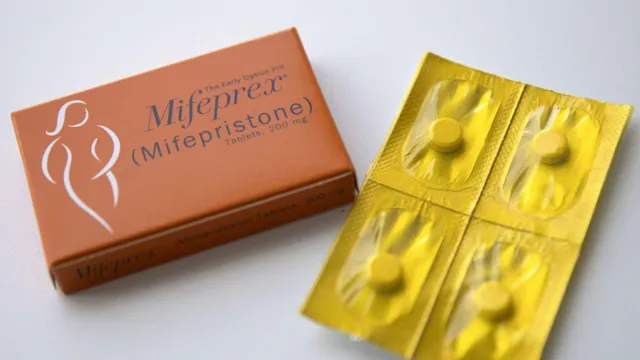
The U.S. Court of Appeals for the 5th Circuit has reinstated a long-standing requirement that abortion pills be obtained in person rather than delivered through the mail. According to abortion rights groups, this development will make it considerably harder for women across the country to obtain mifepristone, one of the most commonly prescribed abortion medications.
The ruling came after Louisiana filed a lawsuit against the Food and Drug Administration (FDA), challenging the agency’s decision that previously allowed patients to access the pill through telehealth providers and by mail. Louisiana requested that this FDA policy be paused while its legal challenge moves forward. The court agreed, and the in-person pickup rule will remain in place until the case is fully resolved.
Background: A Legal Battle Years in the Making
This ruling is the latest chapter in a heated legal fight that has been intensifying since the Supreme Court overturned Roe v. Wade in 2022. When that landmark decision was reversed, many in the antiabortion movement believed it would dramatically lower the number of abortions performed across the country, particularly in states that quickly enacted strict bans.
However, that prediction has not played out as expected. Abortion numbers in the United States have remained steady, and in some areas have even climbed, primarily due to the wide availability of abortion pills like mifepristone. Thanks to “shield laws” passed in several Democratic-led states following the Dobbs ruling, healthcare providers have been able to legally prescribe and ship these medications to patients living anywhere, even in states where abortion is banned.
Pressure on the FDA and the Trump Administration
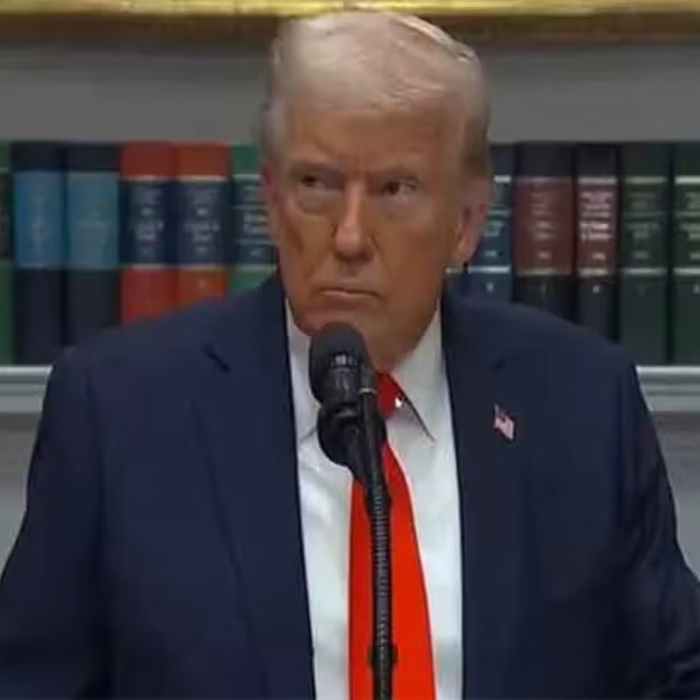
Frustrated by the continued accessibility of abortion pills, Republican lawmakers and antiabortion groups have been pushing President Donald Trump and the FDA to reimpose strict regulations on mifepristone. So far, the administration has moved cautiously. FDA Commissioner Marty Makary has pledged to launch a safety review of the medication but has stopped short of issuing the comprehensive restrictions that antiabortion activists have been demanding.
Mifepristone, which is used in the first stage of the typical two-drug abortion regimen, has been approved by the FDA since 2000. Medical professionals and legal scholars have repeatedly emphasized that more than two decades of strong scientific evidence support its safety and effectiveness. Over time, the FDA has loosened several restrictions on the drug, including eliminating the in-person dispensing requirement years ago.
The Court’s Reasoning
The 5th Circuit’s decision pointed out that Louisiana has laws prohibiting both abortion and the sale of drugs like mifepristone. The court argued that the Biden-era FDA rule, which made the pill easier to obtain, directly conflicts with Louisiana’s state laws and therefore gives the state legitimate grounds to challenge the federal agency.
In its ruling, the court noted that ending the in-person pickup requirement effectively allowed mifepristone to be prescribed remotely to women in Louisiana. The judges stated that this policy now reportedly enables nearly 1,000 unlawful abortions in Louisiana every month, despite the state’s bans.
Reactions from Both Sides
John Seago, president of Texas Right to Life, celebrated the ruling but described it as only a starting point. He referred to medication abortion as the most pressing focus for the antiabortion movement, noting that pills remain available even in states where surgical abortion has been outlawed. Seago added that the broader goal is to dismantle shield laws entirely, which would effectively criminalize abortion pills in states like Texas.
On the other side, reproductive rights advocates strongly criticized the ruling, warning that it will force women to travel long distances, sometimes hundreds of miles, to receive necessary care.
Mini Timmaraju, president and CEO of Reproductive Freedom for All, said the decision will make it far more difficult for people to access abortion services. She accused antiabortion politicians of using every available government tool to push policies she described as deeply unpopular with the public.
What Happens Next
For now, the in-person dispensing requirement remains in effect while Louisiana’s legal challenge against the FDA continues to play out in court. The ruling is likely to face further legal challenges from abortion rights organizations, and additional appeals are expected as the case unfolds.
The decision also raises broader questions about how federal drug regulations interact with state laws, particularly when those state laws aim to restrict access to medications approved by the FDA. With abortion remaining one of the most divisive issues in American politics, this ruling is unlikely to be the final word.
A Developing Story
As legal battles continue, both sides are bracing for what could become a defining moment in the future of reproductive rights in the United States. For millions of women, especially those living in states with strict abortion bans, access to safe and timely care now hangs in the balance. This story is still developing, and further updates are expected as new information becomes available.
Author