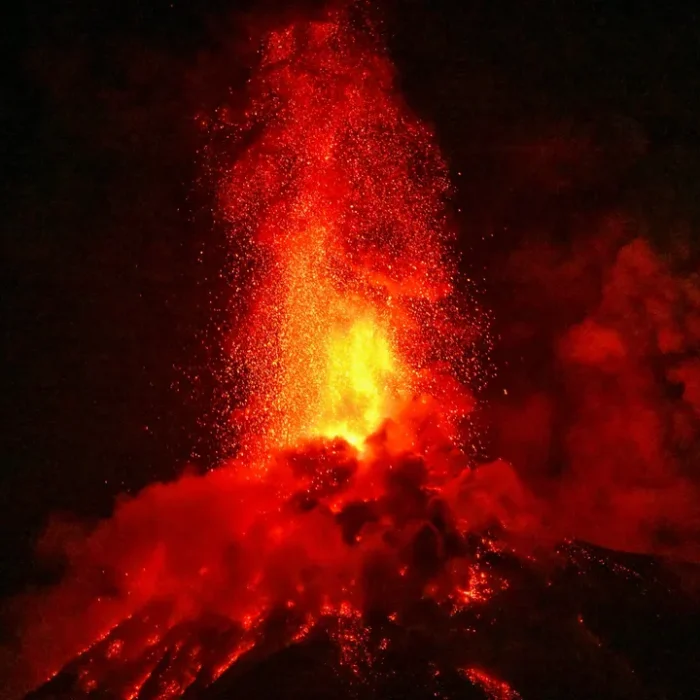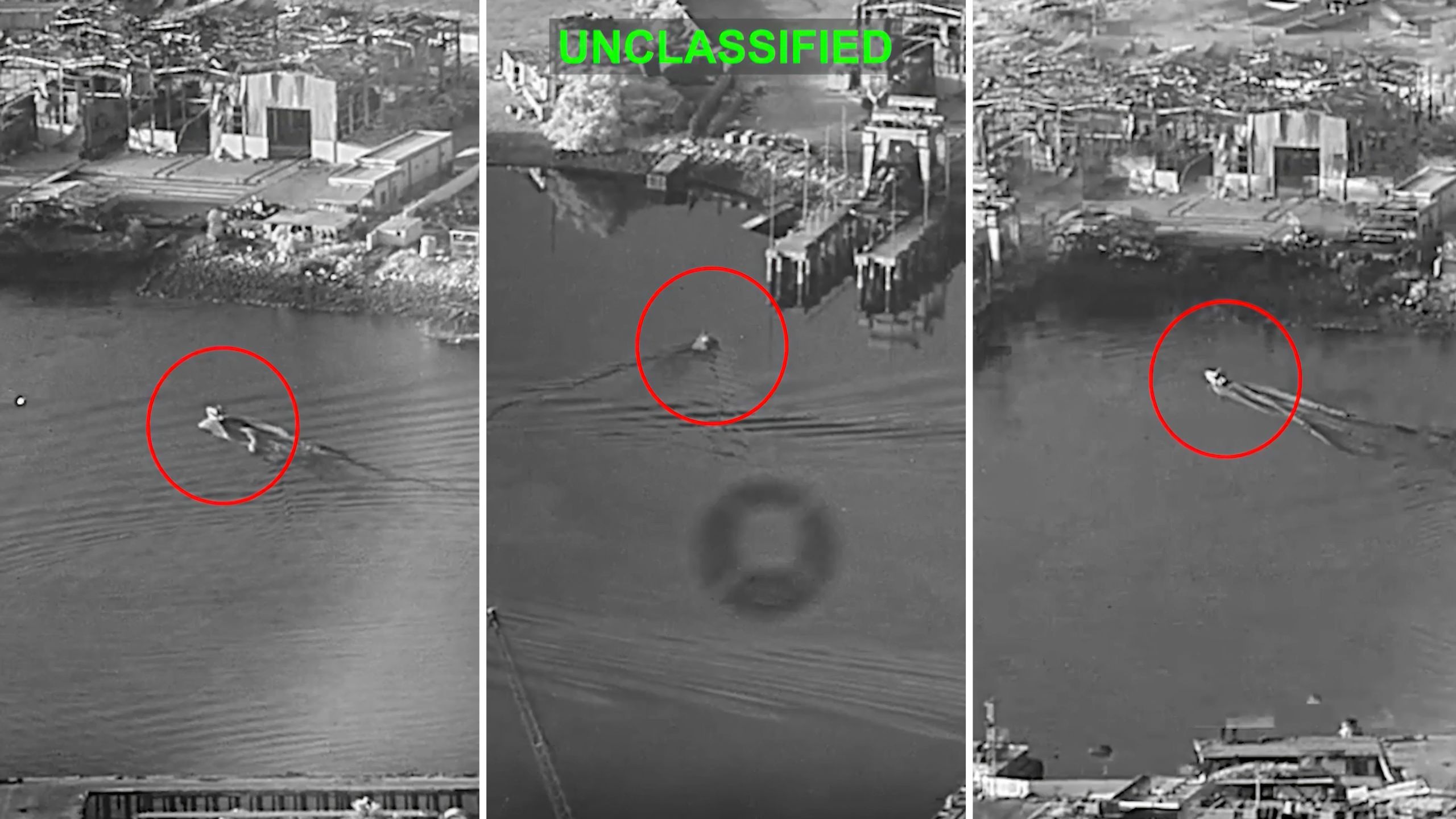
The US Iran war reached Larak Island on Wednesday, when an American missile struck the small landmass in the Strait of Hormuz. Iran’s Tasnim news agency reported the hit and said the extent of damage was still being assessed.
It was the latest in a campaign that has now consumed $37.5 billion and is approaching its fifth month, with President Trump insisting he is nowhere near done.
“We’re Not Finished at All”
Political pressure on Trump has been building steadily. The war is unpopular, including with parts of his own base, and November’s legislative elections are approaching.
He has not budged.
“We’re not finished at all,” he said. “We’re not leaving right now.”
The cost figure driving much of the criticism came from Pentagon chief Pete Hegseth on Tuesday, who cited the $37.5 billion total while defending a request for tens of billions more in military funding.
Rubio Leaves the Door Open, Barely
Secretary of State Marco Rubio repeated Washington’s position that a negotiated outcome remains possible, while placing the blame for its absence on Tehran.
“We remain open to working it out in a negotiated way. But right now, they don’t seem to be serious about that,” Rubio said at a Southeast Asia ministers’ meeting in Manila.
He defended the strikes on two grounds: Iran’s attacks on shipping in Hormuz, and what he described as Iranian plans to rebuild missile and drone capabilities.
Iran tells it differently. Foreign ministry spokesman Esmaeil Baqaei has said diplomatic exchanges with Washington through mediators are ongoing.
Both statements can be true. Talks through intermediaries and public accusations of bad faith often run in parallel.
A Deal That Collapsed Over the Strait
The fighting over the Strait of Hormuz is what killed a preliminary agreement between the two countries. That collapse is why the current phase looks the way it does.
The US military said Tuesday it had carried out an eleventh consecutive night of strikes, describing the targets as military sites and the aim as further degrading Iran’s ability to threaten commercial shipping in the strait.
American forces have repeatedly hit Iran’s islands in the Gulf and the strait since hostilities resumed.
The Pickaxe Mountain Threat
Trump has signalled that the next target could be Pickaxe Mountain, known in Persian as Kolang mountain, an underground complex near Natanz where Western intelligence agencies suspect Iran is constructing an undeclared enrichment facility.
Iran responded with an explicit warning. The Khatam Al-Anbiya military command said such a strike would be treated as an expansion of the war across the region, threatening attacks on all American interests, allies and supporters, according to state broadcaster IRIB.
Baqaei rejected the premise entirely, calling Washington’s focus on the site a fabricated pretext for aggression, destruction and sabotage, and insisting no nuclear activity takes place there.
Where Are the Inspectors?
Baqaei also raised a pointed question about the whereabouts of Rafael Grossi, head of the UN nuclear watchdog, accusing the United States of breaching UN rules.
Grossi had earlier told the BBC that inspectors should already be in Iran, adding that access should come soon. He stressed the importance of the IAEA verifying Iran’s stockpile of highly enriched uranium.
That stockpile remains one of the largest unknowns in the conflict. Nobody outside Iran can currently confirm where it is or what condition it’s in.
Iran Hits Back Across the Gulf
Tehran spent Wednesday striking at US-allied states in the region.
- Kuwait’s army said its air defences were engaging Iranian drones
- Jordan reported shooting down four Iranian missiles and four drones
- Air raid sirens sounded in Bahrain, where an AFP correspondent in Manama heard an explosion
The Iranian military said it had targeted American assets in Kuwait and Bahrain, naming air defence systems, radar installations and administrative buildings. The Revolutionary Guards separately claimed strikes on US bases in Jordan.
This is the pattern that makes the war difficult to contain. Iran cannot match American firepower directly, so it distributes the conflict across every country hosting American forces.
The Houthi Wildcard and the Oil Market
Iran’s Houthi allies in Yemen threatened to blockade Saudi ports, and Trump said he would take care of the rebels if they follow through.
How the Houthis would actually enforce a blockade is unclear. The markets did not wait to find out.
Brent crude jumped 4.4 percent Wednesday, topping $95 a barrel for the first time in six weeks.
The Houthis have not resumed attacks on shipping yet. But maritime intelligence firm Vanguard Tech reported that a Singapore-flagged tanker and a Liberia-flagged tanker both reversed course in the Red Sea after loading crude at the Saudi port of Yanbu.
That detail matters more than it might appear. Saudi Arabia relies on Red Sea export routes to bypass the Strait of Hormuz. If the Houthis close that alternative, Riyadh loses its workaround and the global economy loses one of its few remaining pressure valves.
Yemen’s Shifting Position
The Houthis have largely stayed out of this war since Israel and the United States attacked Iran in late February, which made last week notable: Saudi Arabia and the rebels exchanged fire for the first time in years, putting a 2022 truce at risk.
Their track record explains why the threat carries weight. During the Gaza war, the Houthis attacked vessels in the Red Sea and Gulf of Aden, forcing ships into long detours around Africa and triggering an American bombing campaign in response.
They have demonstrated both the capability and the willingness.
What This Adds Up To
Five months in, the shape of the conflict is clear enough.
The United States is conducting sustained strikes with the stated goal of protecting shipping, while shipping remains disrupted. Iran is absorbing far heavier damage but has expanded the war geographically rather than folding. Oil prices are climbing. Regional states hosting American forces are now regularly under fire.
Diplomacy exists, but only through intermediaries, and each side describes the other as unserious.
Meanwhile a strike on Pickaxe Mountain sits on the table, with Tehran promising it would trigger regional escalation.
The financial cost has a number attached. What’s missing is any public description of what conclusion Washington is spending toward, and that gap is becoming the central political problem heading into November.
Author
-
Lucienne Albrecht is Luxe Chronicle’s wealth and lifestyle editor, celebrated for her elegant perspective on finance, legacy, and global luxury culture. With a flair for blending sophistication with insight, she brings a distinctly feminine voice to the world of high society and wealth.