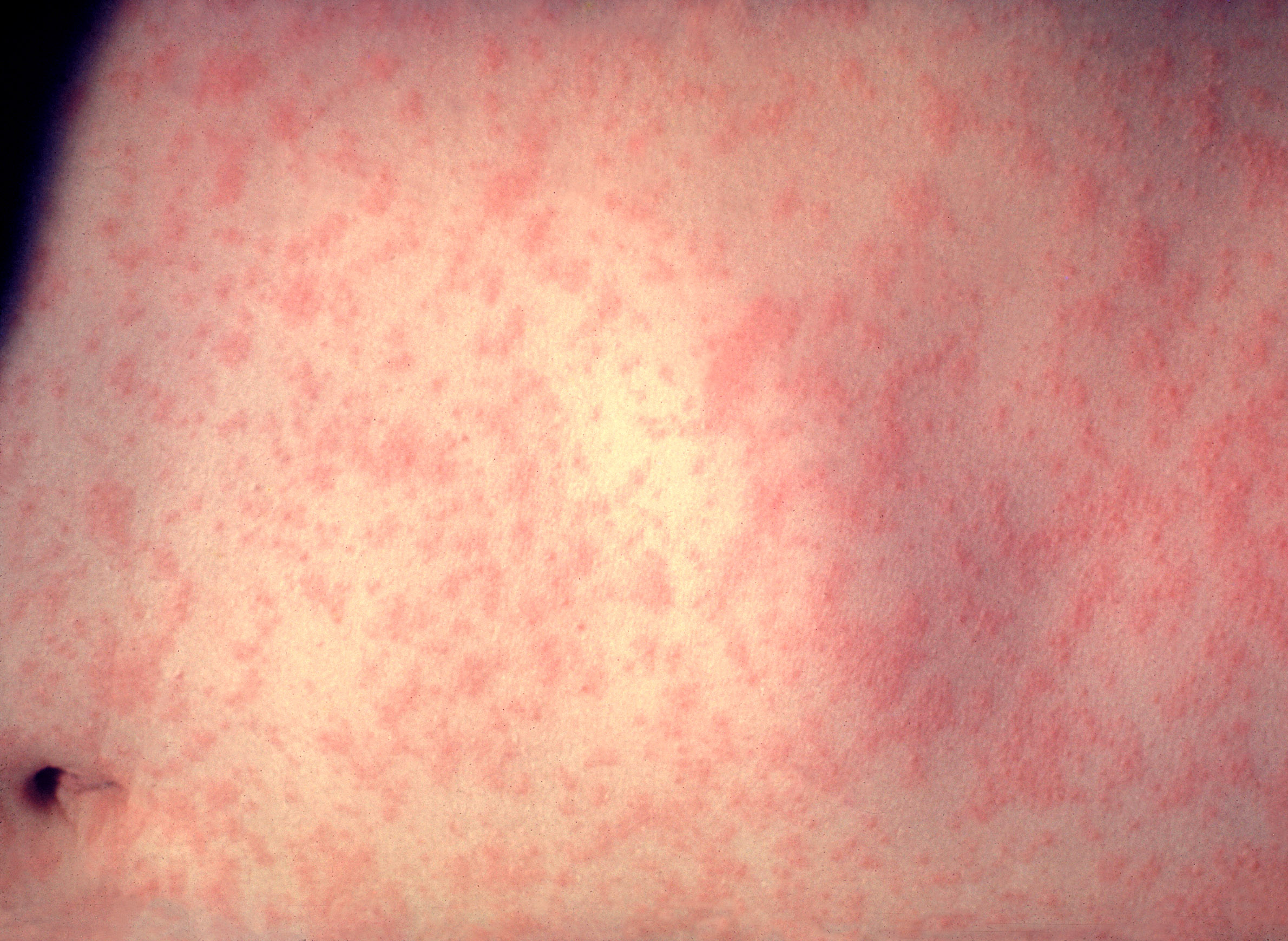
A Wisconsin measles outbreak centred on Iowa and Lafayette counties has expanded rapidly, with confirmed cases climbing from two to fifteen in a matter of days. Six additional cases are considered probable.
The jump brings the state’s 2026 total to 17 confirmed cases — and it arrives amid a public disagreement between state health officials and federal vaccine policy.
How Quickly It Grew
On Tuesday, the Wisconsin Department of Health Services reported two confirmed cases across the two southwestern counties.
The most recent figures show fifteen confirmed, with six probable cases under investigation.
That trajectory is characteristic of measles rather than surprising. The virus spreads with unusual efficiency, and initial case counts in an outbreak typically understate what is already circulating.
Why Measles Moves So Fast
Measles is among the most contagious pathogens known.
It transmits through the air as well as through direct contact with infected individuals. Airborne transmission means shared indoor space can be sufficient for exposure — no direct interaction required.
The incubation period compounds the problem. Symptoms appear anywhere from 10 to 21 days after exposure, meaning an infected person can move through their normal routine for well over a week before showing any sign of illness.
That gap between exposure and symptom onset is precisely why case counts rise in clusters rather than gradually.
Symptoms to Watch For
Public health officials have outlined what to look for:
- Runny nose
- High fever
- Fatigue
- Cough
- Red, watery eyes, including conjunctivitis or pink eye
- Red rash with raised bumps
The early symptoms resemble many common illnesses, which is part of what allows measles to spread before it is identified. The distinctive rash typically appears later in the course.
The Contact Tracing Effort
Public health teams are working to identify and notify anyone who may have been exposed.
That work is demanding in a measles outbreak. Because the virus can linger in the air after an infected person has left a space, exposure sites can include shops, clinics, schools and any other shared indoor environment.
The Policy Backdrop
The outbreak has emerged alongside a federal executive order, issued 10 August, that spaces out the childhood vaccine schedule.
DHS Secretary Kirsten Johnson issued a detailed statement rejecting the change as a basis for state guidance.
She said the department relies on systematic and transparent review of scientific evidence when updating the immunisation guidance it provides to parents, healthcare providers and public health agencies across Wisconsin — an approach the executive order does not alter.
Johnson directed clinicians to continue referring to the department’s endorsement of the childhood and adolescent immunisation schedules published by the American Academy of Pediatrics and the American Academy of Family Physicians during shared decision-making with families.
A Pointed Objection
The statement went further than procedural clarification.
Johnson expressed deep concern about what she described as a lack of scientific evidence in statements from senior federal officials, and about the potential consequences for children’s health in the state.
She argued that health professionals and parents deserve accurate, credible information, and stated plainly that no new scientific evidence justifies altering recommendations that have protected children across the country and continue to do so.
She closed by reaffirming the department’s commitment to guidance grounded in careful evaluation of benefits and risks, helping families access preventive care, and preserving the trust of Wisconsin families.
Why the Timing Matters
The convergence of an outbreak and a vaccine schedule change is difficult to ignore, though the two are not causally connected in this instance — an order issued on 10 August could not have produced cases already circulating.
What the timing does highlight is the underlying dynamic. Measles requires very high population immunity to remain suppressed, considerably higher than most other vaccine-preventable diseases. Small reductions in coverage can be enough to allow transmission to establish itself.
That threshold effect is why measles frequently serves as an early indicator when immunisation rates decline.
What Residents Should Do
For people in Iowa and Lafayette counties, several practical steps apply.
Anyone experiencing symptoms consistent with measles should contact a healthcare provider by phone before attending a clinic, so that arrangements can be made to avoid exposing others in waiting areas.
Individuals uncertain about their immunisation status can check records with their provider or through state systems.
And anyone contacted by public health officials regarding potential exposure should follow the guidance provided, which may include monitoring for symptoms over the full incubation window.
The Broader Question
Fifteen confirmed cases with six probable is a contained outbreak by international standards, but it is not a small event for two rural counties.
Whether it stays contained depends on two things: how thoroughly contact tracing identifies exposure chains, and what proportion of the surrounding population carries immunity.
The first is a question of public health resources. The second was settled years ago, by decisions made long before this week.
Author
-
Lucienne Albrecht is Luxe Chronicle’s wealth and lifestyle editor, celebrated for her elegant perspective on finance, legacy, and global luxury culture. With a flair for blending sophistication with insight, she brings a distinctly feminine voice to the world of high society and wealth.