Forced Labor Tariffs Draw Sharp Rebukes From America’s Closest Partners
The latest forced labor tariffs announced by the Trump administration have landed badly with countries that consider themselves among Washington’s most reliable friends. From Canberra to Tokyo to Brussels, the reaction Friday was consistent: the justification does not hold up.
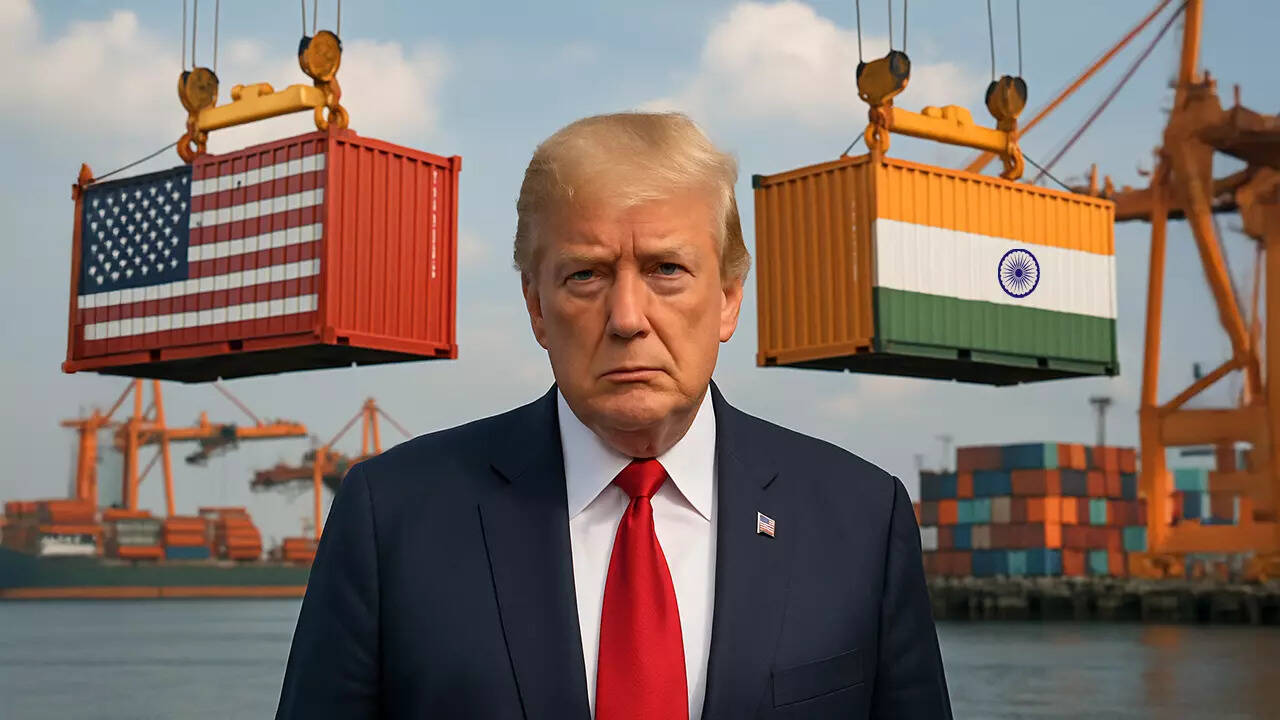
Late Thursday, the administration unveiled additional duties ranging from 10% to 12.5% on sixty economies. The stated reason was that these nations had failed to properly enforce prohibitions on goods produced using forced labor.
The timing was deliberate. The new levies kicked in at 12:01 a.m. Friday, precisely as a set of temporary tariffs expired — measures Trump had put in place following a significant loss at the Supreme Court.
Australia Pushes Back Hardest
Australian Trade Minister Don Farrell offered the bluntest assessment of the day, calling the move completely unjustified.
Australia, which ships large volumes of beef, gold and copper to the United States, saw its rate climb from 10% to 12.5%. Farrell rejected outright any suggestion that his country tolerates modern slavery in its supply chains.
Speaking to reporters in Adelaide, he argued that few nations take the issue as seriously as Australia does, and said that commitment would continue regardless of what Washington claims. His government, he added, will keep pressing the U.S. Trade Representative to lift tariffs on Australian goods entirely.
New Zealand Calls It Disappointing and Harmful
Prime Minister Christopher Luxon was similarly unimpressed. New Zealand also drew a 12.5% rate, and Luxon described the decision as extremely disappointing and without foundation.
His argument focused on economic consequences rather than moral objection alone. Writing on social media, he made the case that tariffs are simply the wrong instrument — they raise costs and inject uncertainty into business planning without solving anything.
An important detail sits underneath these objections: the U.S. investigation that formed the basis for the tariffs did not produce substantive evidence supporting the forced labor allegations against these countries.
Europe Questions the Logic Entirely
European Union foreign policy chief Kaja Kallas turned the accusation around during an interview with Channel News Asia.
Her point was straightforward. If you set European labor law beside American labor law, Europe generally comes out ahead. Paid vacation is standard. Working conditions are strong and legally protected. On that basis, she suggested, the premise of the tariffs falls apart.
Japan Says It Was Given Assurances
Tokyo’s response carried a note of betrayal. Japan had reached an earlier agreement with the administration setting a 10% import duty, and officials say they were told nothing further would be stacked on top of it.
Chief Cabinet Secretary Minoru Kihara said Japan’s understanding remains that both governments are still bound by that arrangement.
He also pushed back on the substance of the claim, calling it regrettable that duties were imposed over an alleged absence of forced labor import bans when Japanese industry and trade practices already conform to international standards.
South Korea Takes a Measured Approach
Seoul chose diplomacy over confrontation. South Korea’s trade ministry said it will keep lines of communication open with Washington in order to preserve what it described as a mutual balance of benefits.
The ministry acknowledged one small positive: the announcement removed some of the fog around U.S. trade intentions. But it flagged an unresolved concern — a separate Section 301 investigation into alleged Korean overproduction is still active.
South Korea’s position is that combined duties on its exports should stay at or below 15%.
Why These Tariffs May Survive Legal Challenge
Wendy Cutler, who previously served as a senior U.S. trade official, said there were few genuine surprises in the announcement given the modest 10% to 12.5% range.
What makes this round different is the process behind it. The Office of the U.S. Trade Representative spent four months building the case, specifically to satisfy legal requirements under Section 301 of the Trade Act of 1974.
That groundwork matters. Cutler, now senior vice president at the Asia Society Policy Institute, said these duties stand a better chance of holding up in court than earlier attempts that were struck down. Whether the third try proves to be the charm, she noted, will only become clear over time.
She also warned that more may be coming. Additional tariffs tied to claims of structural excess capacity among trading partners could arrive in the fall.
The Economic Impact May Be Softer Than Feared
Not everyone expects severe disruption.
William Bratton of BNP Paribas noted in a Friday research note that while Washington is clearly moving toward greater trade friction overall, there is a silver lining. These rates sit below the earlier reciprocal tariffs imposed under emergency powers, and a substantial share of Asia’s trade flows with the United States appears to be exempt.
Cutler pointed to another mitigating factor. The administration carved out numerous product exclusions, including for goods the United States does not manufacture domestically.
Still, she was clear that softer does not mean painless. The duties will feed into higher prices for consumers, and businesses importing components and machinery will absorb increased costs of their own.
Where This Leaves Global Trade
The pattern emerging here is worth noting. The countries objecting loudest are not adversaries. Australia, New Zealand, Japan, South Korea and the European Union are longstanding allies with mature labor protections and, in several cases, existing trade agreements with Washington.
That creates an awkward diplomatic situation. Governments now find themselves publicly defending their own labor standards against accusations from a partner, while simultaneously trying to negotiate relief through official channels.
For businesses caught in between, the practical concern is less about the specific percentage and more about predictability. Farrell, Luxon and Kihara each returned to the same theme in different words: it is difficult to plan around trade policy that shifts without warning.
The lobbying has already begun. Whether it produces results is another question entirely.
Author
-
Lucienne Albrecht is Luxe Chronicle’s wealth and lifestyle editor, celebrated for her elegant perspective on finance, legacy, and global luxury culture. With a flair for blending sophistication with insight, she brings a distinctly feminine voice to the world of high society and wealth.