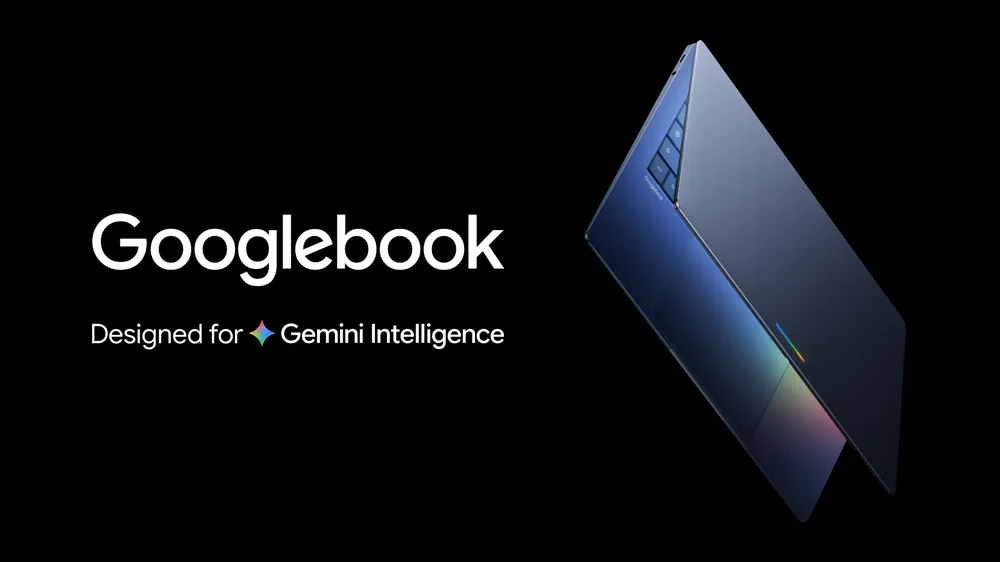
Googlebook First Look: Google’s New Premium Chromebook Alternative Set to Launch This Fall
Googlebook is officially the name of Google’s most ambitious new laptop product in years, and the announcement has already shaken up expectations across the personal computing market. Positioned as a premium alternative to the well-known Chromebook, the Googlebook merges Android and ChromeOS into a single, smarter, more powerful operating system. It is designed to feel more like a flagship laptop experience, especially for users deeply embedded in the Android ecosystem.
What Exactly Is a Googlebook?
At its core, the Googlebook is a new device line that takes a noticeable step up from the traditional Chromebook in both hardware quality and software capability. The big idea is to unify the laptop and smartphone experience so deeply that switching between them feels almost invisible.
Some of the defining qualities of the Googlebook include:
- A brand-new operating system that fuses Android and ChromeOS
- A premium hardware experience aimed at competing with mid-tier MacBooks
- Tight integration with Android phones, particularly Pixel and Samsung Galaxy devices
- A new AI engine, Gemini Intelligence, built deeply into the user experience
It is a clear signal that Google is no longer satisfied with simply being the affordable alternative in the laptop space. With the Googlebook, the company is reaching toward something more refined, more capable, and more ambitious.
Why the Googlebook Is Arriving Now
Timing matters a lot here. The release of Apple’s $599 MacBook Neo earlier this year changed the conversation around budget-friendly laptops in a significant way. Suddenly, consumers were asking why they should stick with Windows PCs or Chromebooks when Apple was offering tight integration with the iPhone at a much more accessible price point.
The Googlebook appears to be Google’s direct response. The idea is to offer a similarly seamless experience for Android users, while taking advantage of the company’s deeper AI capabilities and its growing ecosystem of devices.
Android Integrations That Are Designed to Just Work
One of the most compelling pitches for the Googlebook is how smoothly it is supposed to interact with Android phones. Apple set the bar high with its iPhone-to-MacBook integration, and Google is clearly trying to match that magic, perhaps even surpass it.
The standout feature unveiled so far is called Cast My Apps. This allows users to access and run apps directly from their phone on their Googlebook, with no downloads or extra installations required. It is a major step toward making the laptop feel like a natural extension of the smartphone.
Google has confirmed that:
- Cast My Apps will roll out first on the latest Samsung Galaxy and Google Pixel phones
- Native support for Android apps is a key part of the new operating system
- Gemini Intelligence will be deeply tied into the experience
- More features will roll out in stages over time
It is the kind of phone-to-laptop continuity that Android users have been asking for for years.
AI-Powered Widgets and Personalised Tools
Another standout feature being teased is Create My Widget, which uses AI to generate widgets on the fly based on natural language prompts. In Google’s demonstration, a user simply described a family vacation, and Gemini Intelligence created a scrollable itinerary widget that lived directly on the desktop.
This kind of dynamic, user-driven widget creation goes beyond what most laptops currently offer. It hints at a future where users no longer have to hunt for apps or download utilities to organise their digital lives. They simply describe what they want, and the AI builds it.
Closing the Gap Between Android and iOS
Google is also using the Googlebook to push more aggressively into a space where Apple has long dominated, the seamless transfer of files between devices.
The new Quick Share feature is being upgraded to work directly with Apple’s AirDrop. This is a major shift, and one that millions of Android users have been hoping for.
Quick Share with AirDrop compatibility will:
- Launch first on Pixel phones
- Expand later in the year to Samsung, OPPO, OnePlus, Vivo, Xiaomi, and Honor devices
- Allow users to send photos, videos, and files across Android and iOS more freely than ever before
It is a long-overdue move that could genuinely change how people share content across the two ecosystems.
What About Existing Chromebooks?
A natural question pops up immediately. If Googlebooks are the new, premium tier, what happens to the millions of Chromebooks already in the hands of students, businesses, and casual users worldwide?
The answer, thankfully, is reassuring. Google has been very clear that Chromebooks are not going away.
Alexander Kuscher, senior director of tablets and laptops at Google, stated bluntly during a virtual press briefing that Chromebooks are not dead. Google has committed to:
- Continuing software updates for existing Chromebooks until at least 2034
- Keeping the existing Chromebook lineup intact for now
- Supporting institutions and consumers who already rely on Chromebook devices
That kind of commitment is significant. With memories of disruptive Windows 11 upgrade cycles still fresh in many people’s minds, the last thing users want is to be forced into expensive hardware replacements. Google’s reassurance here is a deliberate move to maintain trust within the educational, enterprise, and consumer markets where Chromebooks have built a strong reputation.
A New Look and a Familiar Lineup of Manufacturers
Although specific Googlebook models and detailed specs are still under wraps, Google has confirmed that premium devices are on the way from several major laptop manufacturers, including:
- Acer
- Asus
- HP
- Dell
- Lenovo
These are familiar names in the Chromebook world, and their involvement signals that Googlebook is poised to enter the market with broad industry support from day one.
One subtle but charming design touch has already been revealed. Every Googlebook will feature a new “Glow bar,” a rainbow-hued LED strip on the back of the device. It is meant to serve as a unified design signature, helping Googlebooks visually stand out as a distinct product line, separate from both Chromebooks and traditional Windows laptops.
What to Expect at Google I/O
Most of the heavier reveals are being saved for May 19 at Google I/O, the company’s annual developer conference. That event is expected to provide more concrete details on:
- The full range of Gemini Intelligence features for Googlebook
- Pricing and product tiers
- Specific hardware partners and configurations
- Release windows for individual devices
If history is any guide, Google tends to use I/O to anchor major product announcements, and Googlebook is shaping up to be one of the biggest stories of the entire event.
A Strategic Move in a Shifting Laptop Market
Looking at the bigger picture, the Googlebook represents one of Google’s boldest hardware moves in years. It is a clear acknowledgment that the laptop market is shifting toward tighter ecosystem integration, smarter AI assistance, and seamless cross-device experiences.
By creating a fresh product line rather than overhauling the Chromebook brand, Google gets to position the Googlebook as something new and exciting without disrupting the millions of users who depend on existing Chrome devices. It is a careful, well-orchestrated rollout aimed at growing the brand without alienating the current customer base.
Final Thoughts: A New Era for Google Laptops
Googlebook may very well mark the beginning of a new era for Google in the personal computing space. With premium hardware, deep Android integration, AI-powered tools, and a clear answer to Apple’s aggressive moves in the budget laptop space, Google is signalling that it is ready to play at the top of the market.
The full lineup arrives this fall, but expect to hear plenty more about Googlebook in the coming weeks. If Google nails the execution, this could become one of the most important product launches in the company’s history, and a serious contender for anyone shopping for their next laptop later this year.
Author