The hantavirus quarantine that kept American cruise ship passengers confined for weeks has finally come to an end, as the last eight individuals departed a specialized hospital unit in Nebraska. After enduring 42 days of monitoring following exposure to an unusual outbreak that killed three people, the passengers are now free to return home.
The conclusion of the quarantine closes a remarkable chapter in a public health response that spanned continents, involved evacuations in protective suits, and even sparked controversy over one passenger’s forced confinement.
The End of a Long Ordeal
U.S. Department of Health and Human Services officials confirmed on Monday that the quarantine had officially ended.
HHS spokesperson Emily Hilliard credited collaboration across multiple levels of government for the successful outcome, saying that close cooperation among federal, state, and local partners helped protect the American people, contain potential risks, and bring the response effort to a successful conclusion.
For the passengers, the moment marked the end of six long weeks spent in isolation, waiting to see whether they would develop symptoms of a potentially deadly virus.
How the Outbreak Unfolded
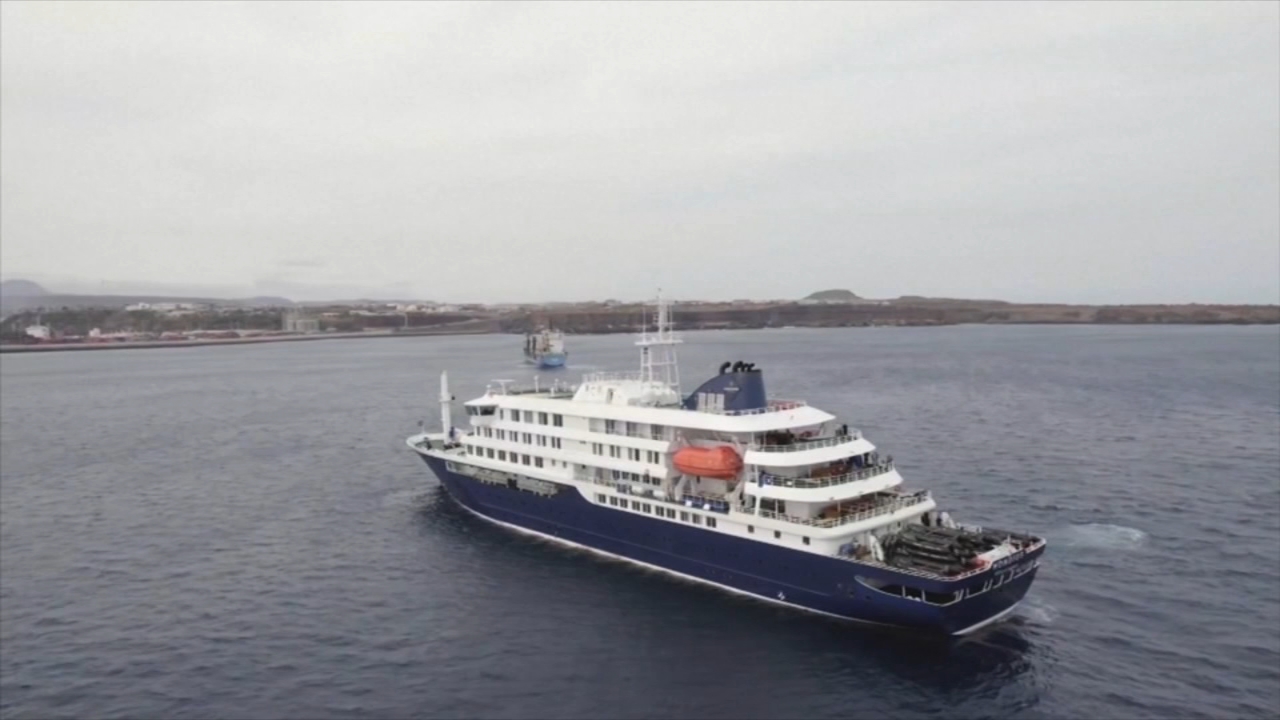
The crisis began aboard the MV Hondius, a Dutch cruise ship traveling in the South Atlantic. The vessel became the setting of a hantavirus outbreak that ultimately killed three people, including a Dutch couple whom health officials believe were the first exposed to the virus while visiting South America.
The scale of the response was significant. More than 120 people were evacuated from the ship in Spain’s Canary Islands early last month, with most being from countries other than the United States. The breakdown of those affected included:
- 18 Americans who ended up in the National Quarantine Unit in Omaha
- At least 30 other passengers who had left the ship earlier, before the outbreak was documented
- 25 crew members and two medical personnel who had to quarantine when the ship docked in the Netherlands
In total, 13 cases of the virus were identified among people who had been on the ship, including the three who died.
A Rare and Dangerous Virus
What made this outbreak particularly concerning was the specific type of hantavirus involved.
Hantaviruses typically spread when people inhale contaminated residue from rodent droppings. However, the virus responsible for this outbreak, known as the Andes virus, may be capable of spreading between people in rare cases, according to health officials. That potential for person-to-person transmission helps explain the cautious and extensive quarantine measures put in place.
The Americans Aboard
Of the roughly 25 Americans on the ship, their paths diverged depending on when and how they left.
About seven disembarked in April and were allowed to monitor for symptoms at home, while 18 remained on board. Sixteen of those were evacuated to the Nebraska quarantine unit in Omaha on May 11, with two more Americans joining them a few days later.
The 42-day monitoring period was established because symptoms of hantavirus have taken as long as 42 days to appear in previous outbreaks. Encouragingly, none of the quarantined passengers were reported to have developed the illness.
Nebraska Hospitality Eases the Stay
Despite the difficult circumstances, the passengers’ time in Omaha was marked by notable kindness from the local community.
During their stay, local restaurants and food trucks delivered special meals almost daily, and nurses sometimes made Starbucks runs to bring passengers their favorite drinks. The accommodations themselves were designed for comfort, resembling hotel rooms equipped with a desk, television, internet connection, and exercise equipment to help pass the time.
One passenger, travel blogger Jake Rosmarin, captured the emotional experience on social media. On Monday morning, he posted an “I’m finally coming home” video showing himself leaving his room, hauling his luggage, and turning off the lights as he walked out. He later shared footage of the Omaha skyline from his plane as he headed home to his fiancé in Boston.
In a tearful video posted the day before, Rosmarin thanked the quarantine staff, the Omaha community, and his loved ones. Wearing a Nebraska Huskers sweatshirt sent to him by a stranger, he expressed deep gratitude to the Omaha community for welcoming the passengers with kindness and generosity, crediting the support of strangers with helping him get through the ordeal.
A Controversial Forced Quarantine
Not every passenger shared such a positive view of the experience. For Angela Perryman, the quarantine took a darker turn, as she was held against her will and against the recommendation of a government medical expert.
Perryman explained that while seven of the last remaining patients stayed voluntarily, she was forced to remain due to a controversial quarantine order that some health officials themselves deemed unnecessary. Ten others at the facility had been allowed to leave earlier under agreements to be closely monitored in their home states.
The reason for her forced stay came down to logistics and politics. Perryman was kept after Florida officials refused a federal demand that the state provide round-the-clock surveillance if she returned home. She found this especially frustrating given that travel arrangements for passengers had been in the works for weeks.
She described the abrupt end to the monitoring period, recalling how passengers were locked in their rooms until 1:55 p.m., only to be told at 2 o’clock that everyone could simply walk out and go home. Perryman pushed for a flight home that same evening, with the government covering the cost of the flights.
Sharp Criticism From a Passenger
Perryman did not hold back in her assessment of the situation, questioning the necessity of the entire measure.
She pointed out that nobody actually expected anyone to get sick at that point, noting that everyone understood passengers would be traveling home on commercial flights. In her view, the six-week quarantine amounted to nothing more than “a political stunt.”
Questions That Remain
While the American quarantine has concluded, some questions linger about the broader global response. The World Health Organization did not immediately respond to inquiries about the status of all the other people who had to quarantine around the world following the outbreak.
The Bottom Line
The end of the hantavirus quarantine brings relief to the last passengers who spent 42 days in isolation after a frightening outbreak claimed three lives. For most, the experience was eased by the warmth of the Omaha community, while for at least one passenger, it became a source of frustration and accusations of overreach.
As the passengers return to their lives, the episode stands as a reminder of the challenges public health officials face in balancing caution against individual freedom, especially when confronting a rare virus with the potential to spread in unexpected ways.
Author