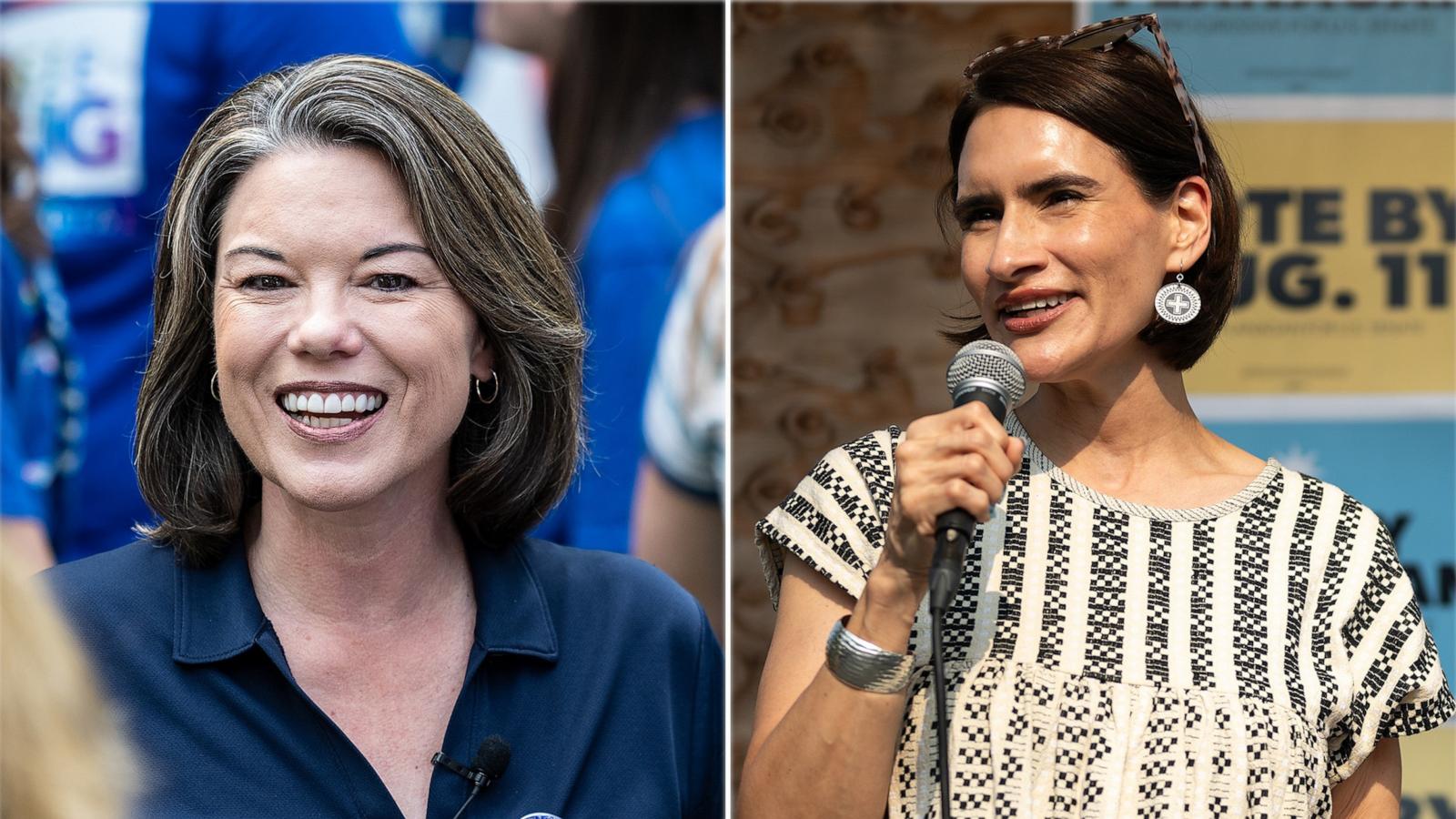
The Minnesota Senate primary delivered another victory for the progressive wing of the Democratic Party, with Lieutenant Governor Peggy Flanagan defeating Congresswoman Angie Craig in a contest shaped almost entirely by anger over federal immigration enforcement.
Flanagan now advances to face Republican Michele Tafoya, a former NFL sideline reporter, in November. Should she win, she would become the first Native American woman ever to serve in the United States Senate.
The Issue That Defined the Race
Immigration enforcement dominated this primary in a way few observers anticipated when the campaign began.
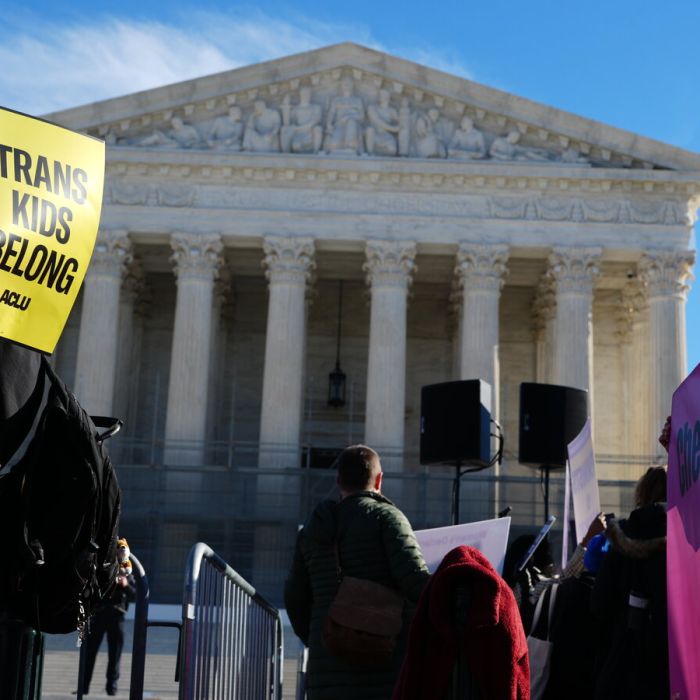
In early 2026, thousands of federal immigration officers were deployed to Minnesota under Operation Metro Surge. The consequences were severe: two residents died and hundreds of people were deported.
Those events reshaped the political landscape and left Craig defending a vote that became increasingly difficult to explain.
As a member of Congress, Craig supported the Laken Riley Act, federal legislation mandating immigration detention for undocumented individuals accused of local crimes. She publicly expressed regret over that vote in March, but the reversal did not settle the matter. It trailed her for the remainder of the campaign.
Flanagan’s Argument
Flanagan built her candidacy around a critique of how Democrats choose their battles.
Speaking to the Guardian, she said it was time to fight for what people actually need, arguing that Democrats too often ask what they think they can win rather than which fights are worth picking.
At 46, she served in the state house before becoming lieutenant governor in 2019. She is a citizen of the White Earth Nation and began her career as an organiser, a background she says would help her build progressive power in the Senate.
She has said she expects to join what she called the Senate fight club of progressive members, and her campaign drew support from two of them.
Elizabeth Warren, who was the first senator to endorse her, said the result proved that the many can beat the money. Warren argued voters want leaders with backbones willing to stand up to dark money super PACs and fight to make life more affordable. Bernie Sanders also backed the campaign.
Retiring Senator Tina Smith endorsed Flanagan as well.
What Craig Ran On
Craig, 54, mounted a serious challenge built on electability and a record of winning difficult terrain.
First elected to Congress in 2018, she flipped a Republican seat and became the first out lesbian elected to Congress from Minnesota. She represents a genuinely purple district south of the Twin Cities, a fact she cited repeatedly as evidence she could win statewide.
Her line of attack focused on the fraud scandals that have shaken the state’s social services system, arguing Flanagan had not been held accountable for any role in them.
Those scandals created real headwinds for Flanagan, but the immigration issue ultimately proved heavier.
A Bad Night for Trump’s Endorsement
The gubernatorial primary produced a very different kind of result.
Mike Lindell, an election denier and pillow manufacturer carrying a presidential endorsement, lost to Minnesota House Speaker Lisa Demuth.
Lindell’s liabilities had grown substantial enough that members of his own party spoke publicly against his candidacy. He faces ongoing defamation litigation stemming from his election denial claims and a potential campaign finance violation over distributing free pillows at a parade. He recently stepped down as chief executive of MyPillow, which is contending with legal claims over unpaid bills.
Demuth will face Democratic Senator Amy Klobuchar in November, where Klobuchar is favoured.
Why Both Seats Were Open
An unusual sequence of departures left Minnesota without incumbents in either race.
Governor Tim Walz initially pursued a third term but abandoned that bid as ongoing fraud scandals threatened to consume the campaign. Senator Tina Smith chose not to seek reelection, saying she wanted time with her grandchildren and wished to make room for new voices in the chamber.
The State’s Political Lean
Minnesota tilts Democratic, and the historical record is striking.
No Republican has won a statewide race since 2006, when Tim Pawlenty secured a second term as governor. No Republican presidential candidate has carried the state since 1972.
That history gives the Democratic nominee a meaningful advantage heading into November, though open seats always introduce more uncertainty than races with incumbents.
Down-Ballot Results
Several congressional primaries produced notable outcomes.
In the second district, the suburban and exurban territory south of the Twin Cities currently held by Craig, Matt Little narrowly defeated Matt Klein and Kaela Berg for the Democratic nomination. Little had patrolled immigration agents during the surge, an activity that clearly resonated given how the Senate race unfolded.
In the first district covering southern Minnesota, high school teacher Jake Johnson won the nomination to challenge Brad Finstad in what Democrats view as a possible pickup.
In the eighth district in northern Minnesota, reality television figure Luke Gulbranson lost to Trina Swanson, a former federal worker who will face Republican Pete Stauber.
Reading the Result
The pattern of progressives defeating moderates has now repeated across multiple states this cycle, and Minnesota adds a specific lesson to that broader trend.
This was not simply a contest between ideological factions. It was a race in which a concrete event, a federal enforcement operation that killed two residents and deported hundreds, made a particular vote politically untenable.
Craig recognised that and reversed her position. The reversal came too late.
For Democrats trying to understand what is driving these primary outcomes, Minnesota suggests the answer may be less about ideology than about whether voters believe a candidate was standing with them when it mattered.
Author
-
Lucienne Albrecht is Luxe Chronicle’s wealth and lifestyle editor, celebrated for her elegant perspective on finance, legacy, and global luxury culture. With a flair for blending sophistication with insight, she brings a distinctly feminine voice to the world of high society and wealth.