The India education minister resignation announced Saturday marked the most significant concession yet from Prime Minister Narendra Modi’s government, arriving after weeks of nationwide demonstrations and a hunger strike that stretched past three and a half weeks.
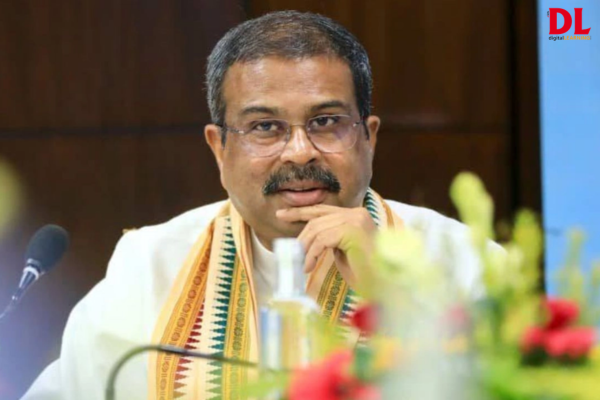
Dharmendra Pradhan posted news of his departure on X only hours before a third round of negotiations was scheduled between government representatives and the activist movement that had made his exit a central demand.
The Minister’s Statement
Pradhan framed his resignation in the language of respect rather than defeat. He wrote that he holds deep regard for the aspirations, feelings and legitimate expectations of the country’s young people, and described fulfilling the dreams of India’s younger generation as a moral commitment running through his political and public life.
He did not directly address the specific failures protesters have spent weeks cataloguing.
“Cockroaches Won”
The reaction from the movement was considerably less measured. The Cockroach Janata Party declared on X that cockroaches had won, and that democracy had won alongside them.
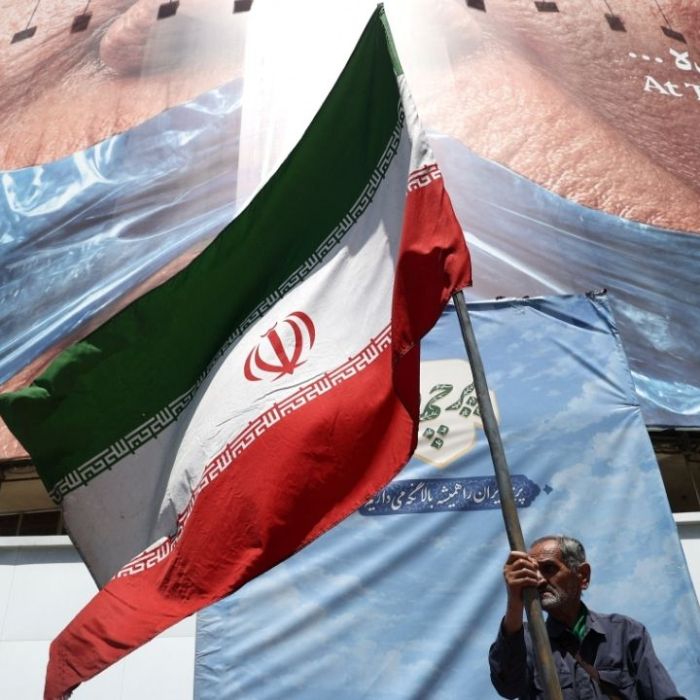
In New Delhi, students and activists poured into the streets to celebrate, many waving the national flag.
The group’s name has a peculiar origin. It stems from a remark by Chief Justice Surya Kant that compared unemployed young Indians to cockroaches — an insult that protesters seized, inverted and turned into an identity. The organisation itself began life as an online parody of Modi’s Bharatiya Janata Party before growing into something no one involved appeared to anticipate.
It has since become the most serious challenge Modi has faced across twelve years in power.
Where the Anger Started
The crisis traces back to May, when online leaks disrupted the NEET undergraduate examination. That test functions as the sole gateway to India’s medical colleges, and competition for a limited number of seats is ferocious. Families frequently spend years and substantial sums preparing a single child for it.
A compromised exam therefore does not read as an administrative error to the students affected. It reads as the theft of years of work, and as confirmation of a suspicion many already held about who benefits from India’s institutions.
That grievance spread quickly from New Delhi to Mumbai, Hyderabad, Bengaluru and Ahmedabad. Authorities struggled to contain the demonstrations, and earlier this week police used tear gas and batons against enormous crowds gathered near the Parliament building in the capital.
The Demands That Remain
Pradhan’s departure satisfies one demand. Others are still outstanding, and the movement made clear on Saturday that it does not consider the matter closed.
The group is seeking compensation of one crore rupees — roughly $100,000 — for the families of students who died by suicide following the exam leaks. It is also demanding accountability for the police response, calling for action against officers involved in the crackdown on the 20th.
The post ended with a warning not to mess with cockroaches.
That second demand is arguably the harder one. Governments can replace a minister relatively painlessly. Disciplining police for suppressing protest sets a precedent that administrations across the political spectrum tend to resist.
Modi’s Response Fell Short
The prime minister broke his silence on Thursday night with a video posted to Instagram, his first public comment on the scandal.
He acknowledged that the paper leak was not a minor matter and announced the creation of fast-track courts to prosecute cases connected to examination leaks. He also defended how his government had managed the situation.
Protesters were unimpressed. They argued the announcement did nothing to address accountability, and hundreds returned to the streets of New Delhi on Friday. Authorities responded by closing 18 metro stations across the capital, disrupting transport for a city of 23 million people — a move that inconvenienced far more residents than it deterred.
The Hunger Strike That Shifted Momentum
Much of the pressure in recent days came from a single person. Activist Sonam Wangchuk sustained a hunger strike for 26 days, and the campaign gained further intensity last weekend when police forcibly took him to a hospital.
Wangchuk announced on Friday that he was ending the fast. He cited appeals from dozens of members of Parliament, extended negotiations over various conditions, and concern that the situation could turn violent.
On Saturday he described Pradhan’s resignation as a victory for peace, patience and perseverance. He congratulated the movement and the country’s Gen Z, and thanked citizens for shedding both fear and, as he put it, the fear of fear, rising up from every corner of the nation.
Why This Movement Broke Through
Youth protest is not new in India, and neither is anger over examination integrity. Several factors made this episode different.
The first is scale of stake. Competitive exams like NEET are among the few mechanisms through which young Indians from ordinary backgrounds can move into secure professions. When that mechanism appears rigged, the grievance touches the fundamental promise that effort produces mobility.
The second is the movement’s tone. By adopting an insult as a name and building around irony rather than conventional political rhetoric, the group made participation feel accessible rather than dangerous. Online parody translated into street presence in a way established opposition parties have struggled to replicate.
The third is unemployment. The chief justice’s original remark landed the way it did because joblessness among educated young people is a live wound, not an abstraction.
What Happens Next
Talks between the government and the movement were set to continue, now with one demand already conceded. Whether momentum survives the celebration is the open question — movements built on a single resignation often struggle to sustain pressure once they achieve it.
For Modi, the calculation is uncomfortable. Sacrificing a minister buys time. It does not repair an examination system millions of families no longer trust, nor does it resolve the underlying anxiety about what awaits young Indians who do everything right.
Author
-
Lucienne Albrecht is Luxe Chronicle’s wealth and lifestyle editor, celebrated for her elegant perspective on finance, legacy, and global luxury culture. With a flair for blending sophistication with insight, she brings a distinctly feminine voice to the world of high society and wealth.