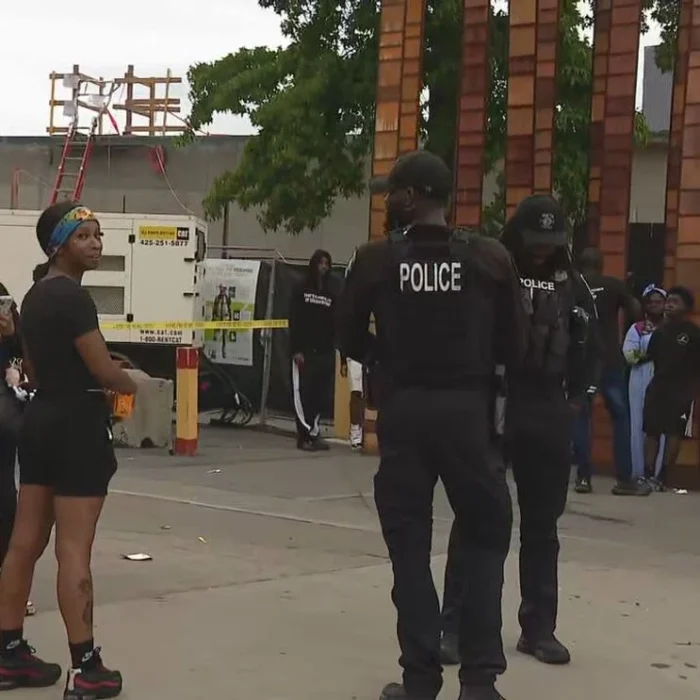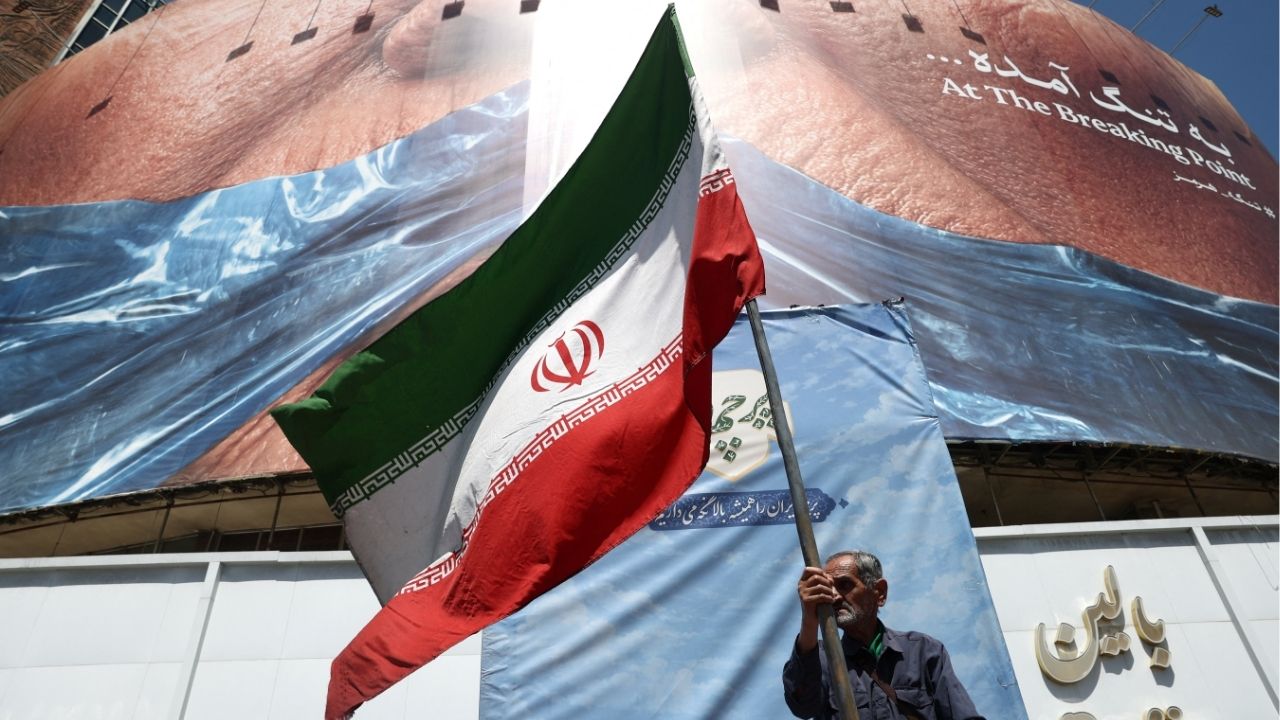
The Iranian activist deported to Central African Republic by the United States this week has triggered alarm among legal advocates, who describe the transfer as a “super dangerous” move that could ultimately endanger her life.
The pro-democracy activist was sent to a country with which she has no ties whatsoever, her lawyer said Friday—raising urgent questions about the fate of asylum seekers caught up in a controversial deportation arrangement.
A Last-Minute Flight
The case had been building for days. On Thursday, the Iranian American Legal Defense Fund (IALDF) warned that three Iranian women who had fled persecution were at risk of deportation, including one who had converted to Christianity.
In the end, only the activist boarded the flight that departed from Louisiana on Thursday night, according to her lawyer, Emily Trostle—though she did not rule out that the others could be deported later.
The plane touched down in Bangui, the capital of Central African Republic, shortly before 10 p.m. local time, after a stop in Ghana’s capital of Accra. As of the flight’s arrival, it remained unclear where the deportees would be housed or how long they would be permitted to stay.
“No Connection, No Support”
For Trostle, the transfer represented a profound danger. “They have absolutely no connection to this place,” she told reporters, noting that her legal filings had laid out extensive evidence of the risks involved.
Her broader concern reaches beyond a single country. “These individuals are being removed from the United States and abandoned in a country where they have no status, no connection and no support network,” she said. “We fear they will ultimately be forced to return to the countries they originally fled.”
The US State Department and Central African Republic’s presidency did not immediately respond to requests for comment. The Department of Homeland Security said last week that all deportees would receive full due process.
How the Deportation Deals Work
The flight is part of a wider system. Both Ghana and Central African Republic have signed agreements with the Trump administration to accept third-country deportees—many of whom had secured legal protections from US courts precisely so they could not be sent back to their home countries.
The US has leaned on these arrangements to remove people it cannot lawfully deport directly. Similar deals exist with other nations, including the Democratic Republic of Congo, which is currently grappling with an Ebola outbreak.
The administration maintains the deals are legal. Critics see it differently:
- Rights groups argue the terms of the agreements remain opaque
- Advocates say many deportees are ultimately repatriated anyway
- Legal experts warn the transfers strand vulnerable people without status or support
Why the Risk of Repatriation Looms
The Iranians facing deportation had their asylum claims denied under a rule requiring applicants to first seek protection in countries they passed through before reaching the US. Notably, a federal court in California struck down that very rule in May.
The IALDF called sending Iranians to Central African Republic “a potentially fatal action,” pointing to the country’s security challenges and the danger that the deportees could eventually be returned to Iran.
The political backdrop adds further unease. President Faustin-Archange Touadera signed peace deals last year with several rebel groups, while others were weakened by the deployment of Russian mercenaries, Rwandan troops and UN peacekeepers propping up his government.
That Russian presence is precisely what worries advocates. Ali Rahnama, interim executive director at the IALDF, flagged Russia’s close intelligence ties with Iran as a serious concern for anyone hoping to avoid being sent back to Tehran.
A Volatile Geopolitical Moment
The deportations come against the backdrop of open conflict. The US and Israel launched strikes on Iran on February 28, igniting a war now three months old.
In April, Trump suggested the Iranian people should rise up against their government in Tehran if a ceasefire were reached, while acknowledging it would be too dangerous for them to do so—a statement that underscores the peril facing activists like the woman now deported.
Many More May Follow
The first flight may be only the beginning. While the exact number aboard remained unclear, an official briefed on the matter said it was expected to carry about 20 people, including Syrians and Afghans. According to that same official, hundreds of migrants could ultimately be deported to Central African Republic under the deal.
For now, a single activist’s journey from Louisiana to Bangui has become a stark illustration of a deportation strategy that critics warn leaves the world’s most vulnerable people stranded far from safety—and at risk of being returned to the very dangers they fled.
Author