Four Palestine Action activists were jailed on Friday over a violent 2024 raid on a factory run by Israeli defense firm Elbit, with the judge handing down years-long sentences after determining the attack carried a “terrorism connection.”
The case has become a flashpoint in the wider battle over pro-Palestinian activism in Britain—and arrives just days before a key court ruling on whether the group itself should remain banned.
The Defendants and the Sentences
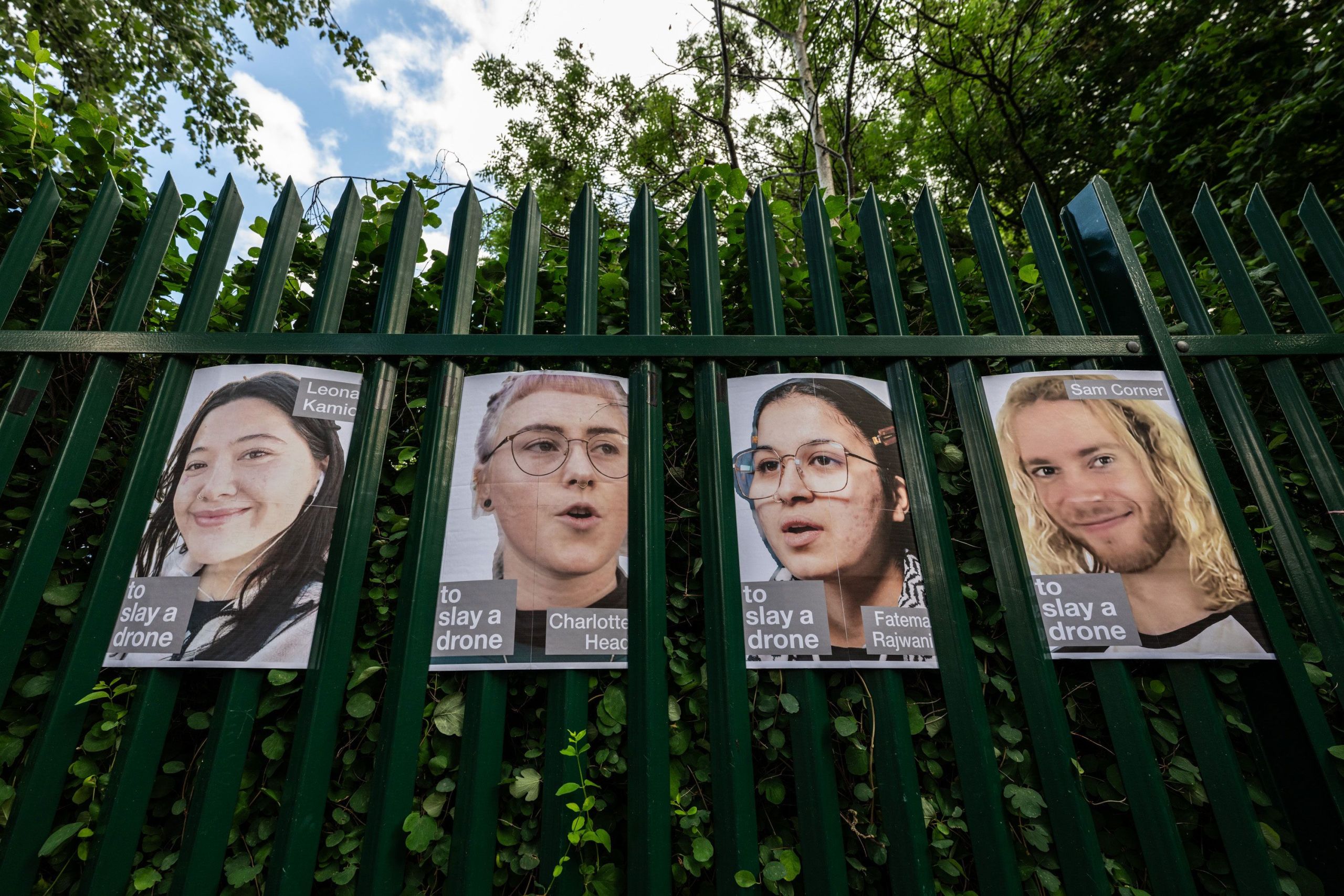
The four activists—Charlotte Head, 30, Samuel Corner, 23, Leona Kamio, 30, and Fatema Zainab Rajwani, 21—belonged to Palestine Action, the now-banned group that organized the assault on the Elbit Systems UK facility in Bristol, in southwest England.
The sentences varied based on the severity of each person’s role:
- Samuel Corner received the longest term—seven years and eight months—for both criminal damage and grievous bodily harm
- Leona Kamio and Charlotte Head were each sentenced to five years
- Fatema Zainab Rajwani received four years and eight months for criminal damage
All four will spend an additional year on parole following their release.
A Raid That Turned Violent
The August 2024 attack caused more than $1 million in damage. Dressed in red boilersuits, the activists destroyed computers, drones and other equipment before clashing with security guards and police who tried to stop them.
The group framed their actions as an attempt to “dismantle drones and weaponry” they believed would be used to kill people, particularly in Gaza. But the raid took a serious turn when Corner struck a police officer with a sledgehammer, fracturing her spine—an act that led to his conviction for grievous bodily harm.
The convictions followed a retrial. An earlier jury in February had cleared six defendants of aggravated burglary but failed to reach verdicts on criminal damage and other charges.
The “Terrorism Connection”
At the heart of Friday’s hearing was the prosecution’s argument that the raid should be treated as having a terrorism connection, warranting harsher punishment—a position that drew sharp condemnation from human rights groups and prominent supporters.
Judge Jeremy Johnson agreed it was an “aggravating factor that the offending had a terrorist connection,” though he noted the defendants’ previous good character served as substantial mitigation. He found Corner had used “extreme and gratuitous” force, adding that the activist’s autism did not explain why he swung the sledgehammer.
The judge laid out his reasoning plainly. The defendants, he said, had acted with the shared aim of shutting down Elbit and ending what they saw as British complicity in Israeli war crimes. The action, he concluded, was designed to influence the UK government, intimidate a section of the public, and advance an ideological or political cause.
Two other activists accused in the raid, Zoe Rogers and Jordan Devlin, were acquitted of criminal damage.
The Victim’s Account
The human toll fell heavily on Sgt. Kate Evans, the injured officer. Telling the court she was still recovering, Evans said she had been targeted with hostile emails accusing her of serving “the Zionist occupation of Britain.”
“The emotional impact of this incident has been profound and ongoing,” she said, describing disturbed sleep and waking in panicked states after distressing dreams.
Protest and Wider Fallout
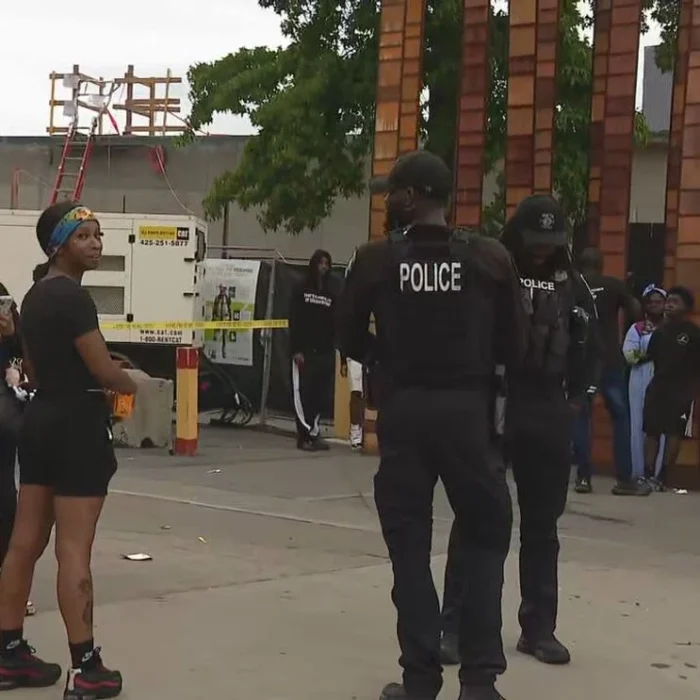
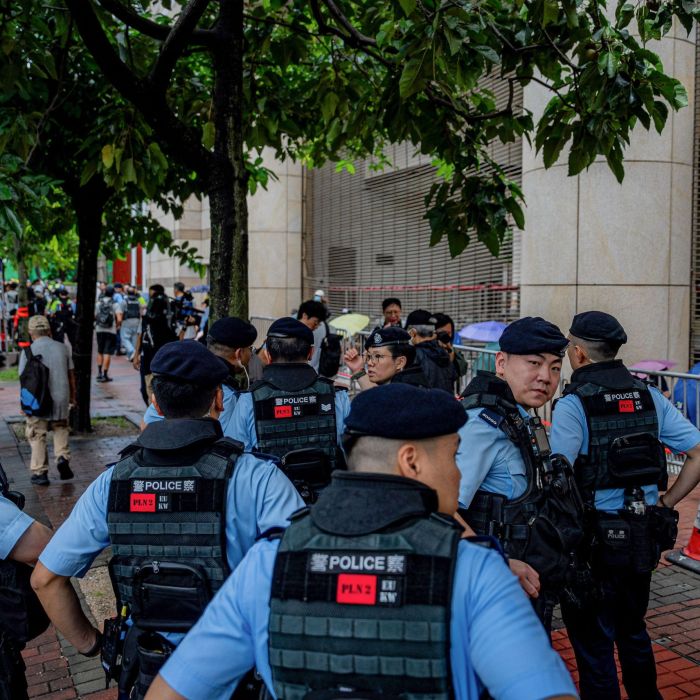
The sentencing did not pass quietly. Around 500 protesters gathered outside the court on Friday in support of the four activists, and police said 107 were arrested for showing support for Palestine Action.
That mass arrest reflects the legal weight the group’s name now carries. The 2024 Bristol raid was among the events that prompted the government to ban Palestine Action as a terrorist organization last year. Under the 2000 Terrorism Act, the ban—which took effect on July 5—made membership of or support for the group a criminal offense punishable by up to 14 years in prison. Since then, roughly 3,000 people have been arrested at rallies and demonstrations.
A Pivotal Ruling Ahead
The timing of Friday’s sentencing is significant. The High Court is set to rule on Monday on the government’s appeal against the lifting of the Palestine Action ban.
After the group challenged the designation, the High Court in London ruled in February that the ban was “disproportionate,” had a “very significant” impact on human rights, and should be lifted. The government appealed that decision, and Monday’s judgment could determine the future of the group at the center of this case.
For now, the four activists begin lengthy prison terms—their sentences a stark marker of how far British authorities are willing to go in treating direct-action protest as terrorism, and a verdict that has only deepened the controversy surrounding Palestine Action.
Author