Iran Buries Late Supreme Leader Khamenei as Tensions With the US Flare Again
Iran buries Khamenei this week, closing a six-day period of mass mourning for the late Ayatollah Ali Khamenei, who was laid to rest in his hometown of Mashhad. The burial unfolded against a backdrop of renewed friction between Tehran and Washington, even as commercial tankers continued moving through the strategically vital Strait of Hormuz. The moment marks the end of a decades-long era and raises fresh questions about the country’s future direction.
The Key Takeaways
- Iran’s late supreme leader was buried after six days of funeral events.
- There were no reports of fresh overnight strikes.
- The US military, through CENTCOM, disputed Iranian claims that Tehran controls passage through the Strait of Hormuz.
A Burial at Iran’s Holiest Shrine
According to state media, Khamenei was buried at the Shrine of Imam Reza in Mashhad, one of the most revered sites in Shia Islam, distinguished by its large golden dome and gilded minarets. The burial came more than four months after his death.
The funeral prayer preceding the burial was led by a senior conservative ayatollah, and Khamenei’s eldest son led prayers over his father’s body. Reporting indicates that four family members who died alongside him were buried as well.
The final ceremony capped a marathon week of mourning. Processions had earlier moved through Tehran, the clerical center of Qom, and the Iraqi shrine cities of Najaf and Karbala, before the coffin was flown back to Iran for the last stage in Mashhad. Iranian authorities presented the enormous turnout, which officials estimated could reach around 15 million people, as a demonstration of public support and revolutionary resolve.
A Grieving and Angry Crowd
In Mashhad, black-clad mourners pressed close behind the convoy, waving Iranian flags, holding portraits of the late leader, and carrying placards bearing revolutionary slogans. Many in the crowd chanted against the United States and demanded revenge over Khamenei’s death.
The crowds grew so dense along the final stretch that the truck carrying the coffin could not push through. To complete the journey, Khamenei’s coffin was lifted by helicopter and brought to the shrine, where he had asked to be buried.
Questions Over Succession
One figure was conspicuously absent from the proceedings: Khamenei’s son and designated successor, Mojtaba Khamenei. He has not appeared in public since the attack earlier this year and remained out of view throughout all the funeral events. His absence has fueled uncertainty and speculation about who will ultimately lead Iran going forward.
The burial also formally closes out Khamenei’s roughly 37-year rule. Supporters frame that period as one of resistance against foreign pressure, while critics point to years of repression and economic hardship.
The Strait of Hormuz Becomes a Flashpoint
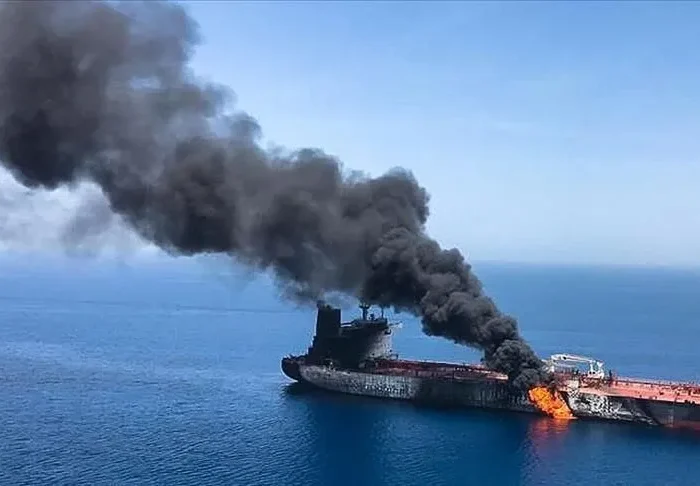
As the funeral drew to a close, attention shifted to the Strait of Hormuz, which has emerged as a central economic and military pressure point in the current confrontation. Traffic through the crucial waterway appears to have slowed noticeably since the latest escalation between the US and Iran.
Citing trade intelligence firm Kpler, US broadcaster CNBC reported that only thirteen oil tankers crossed the strait recently, compared with an average of thirty-three crossings the previous week. According to Kpler’s director of commodity research, vessels were either following a route controlled by Iran or switching off their transponders to avoid being tracked as they passed through the channel.
The US Pushes Back on Iranian Claims
Iranian state media had asserted that passage through the strait was only permitted along routes designated by Iran. The US military rejected that characterization outright.
CENTCOM stated that Iran does not control the Strait of Hormuz. It added that since early May, US forces had helped facilitate the successful transit of more than 800 commercial vessels and 380 million barrels of crude oil through the vital international trade corridor.
No Fresh Strikes Overnight
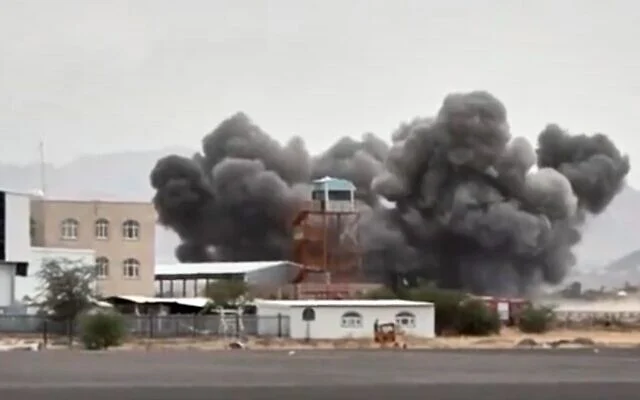
Despite the heightened tensions surrounding the burial, there were no reports of new overnight strikes during this period. While the situation between the two sides remains volatile, the absence of fresh attacks offered at least a brief pause amid an otherwise tense stretch.
The Bottom Line
As Iran buries Khamenei, the country enters an uncertain new chapter shaped by both grief and geopolitical strain. The massive funeral turnout underscored the depth of loyalty among the Islamic Republic’s base, yet the unexplained absence of his designated successor leaves major questions about leadership unresolved. Meanwhile, the standoff over the Strait of Hormuz and the broader friction with Washington ensure that Iran’s path forward will be watched closely in the days and weeks ahead.
Author