Iran’s push for control of the Strait of Hormuz has emerged as a dangerous flashpoint, with senior Iranian officials insisting Tehran will secure international recognition of its authority over the vital waterway, even if it means using force. The stance puts Iran on a direct collision course with the United States and threatens to reignite a conflict that only recently paused.
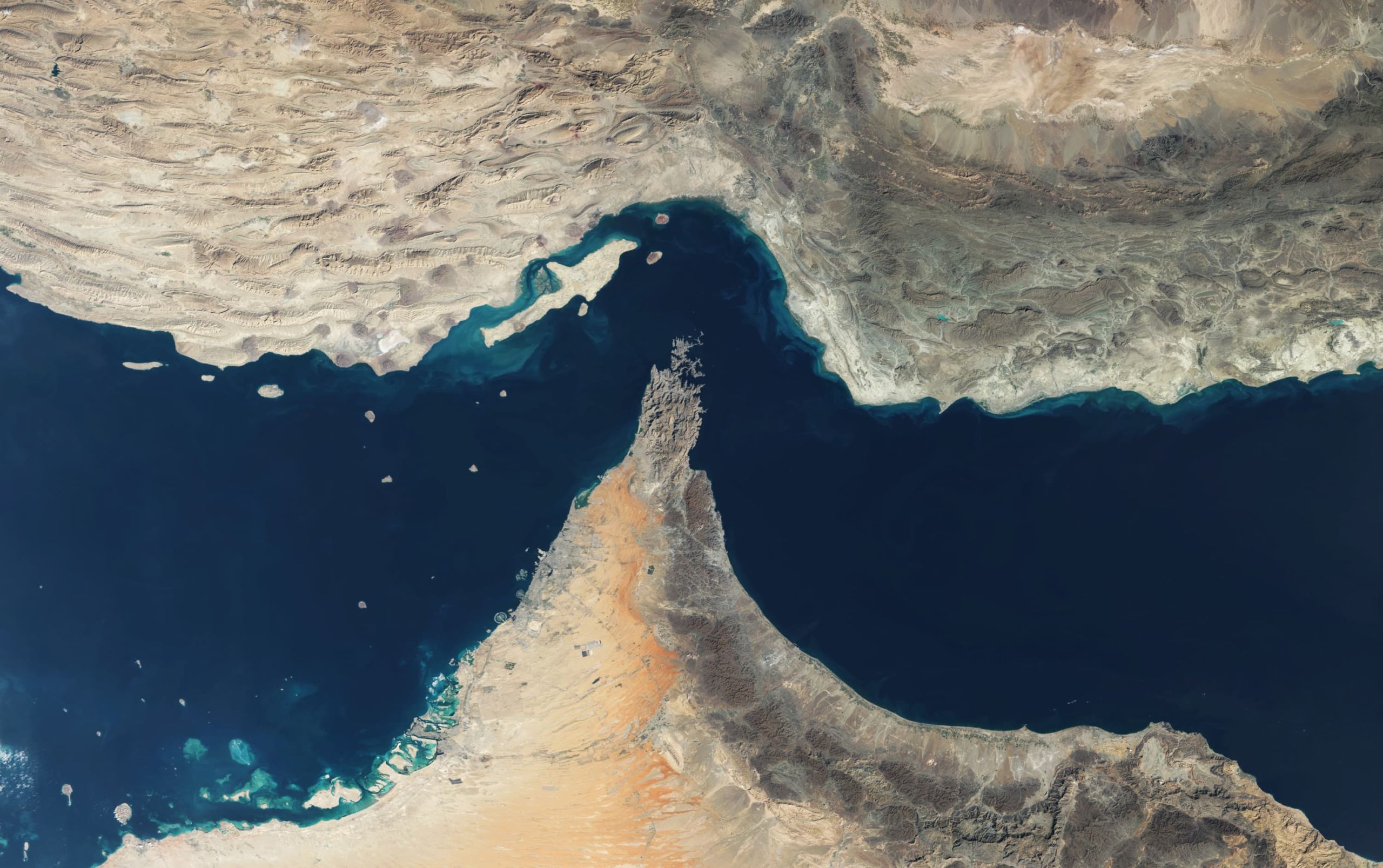
At the heart of the dispute lies a narrow channel through which a fifth of the world’s energy once flowed, and Iran’s determination to reshape the rules that govern it.
A Fragile Interim Deal
The current standoff stems from an interim agreement reached this month between Iran and the U.S. to end their three-month conflict. Under that deal, Iran agreed to let ships pass through the Strait for 60 days without charge.
But the two sides read the fine print very differently. According to two senior Iranian sources, Tehran believes the wording allows it to retain control over which ships may pass and which routes they take through the narrow waterway, even while forgoing fees during the interim period.
Iran is determined to convert that temporary arrangement into lasting, formal acceptance of its control once the interim phase ends. Its negotiators, the sources said, will refuse to move on to any other area of dispute in the ongoing peace talks with Washington until that recognition is secured.
The Threat of Fees and Force
The clock is already ticking. If the interim deal expires without an extension, Iran would begin charging ships for passage in mid-August, though it has yet to specify what those fees would be or how they would be applied. When the war began, Iran closed the Strait entirely, and officials have said some vessels were charged navigation or other fees to leave the Gulf.
Any permanent Iranian control, complete with formalities and tolls, would add costs, delays, and risks to all shipping through a route that once carried a fifth of global energy supplies along with other critical goods. Passage through the Strait had never before been subject to fees, making Tehran’s position a sharp break from long-standing practice.
Washington Pushes Back
The Iranian stance runs directly counter to how the U.S. interprets the interim Memorandum of Understanding agreed on June 17, as well as Washington’s vision for any post-war arrangement.
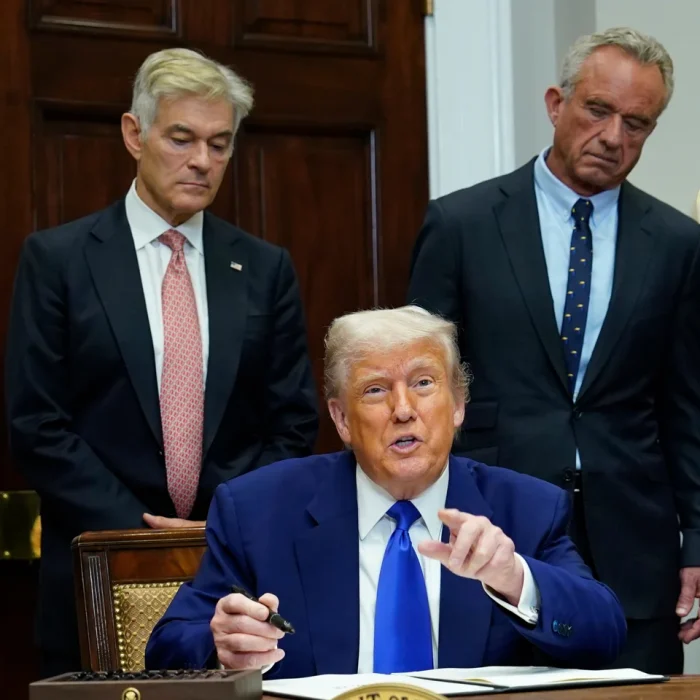
President Trump stated last week that no tolls would be charged for passage through the Strait unless the U.S. itself chose to impose them. Secretary of State Marco Rubio reinforced that message during a meeting with Gulf states, insisting that no country has the right to block shipping or levy fees for passage through an international waterway.
Iran, however, maintains that it can control all passage through the Strait, and while it acknowledges it must discuss arrangements with Gulf states, it insists it is under no obligation to reach an agreement with them.
Weekend Violence Raises the Stakes
The dispute is not merely theoretical. Oman runs along the southern coast of the Strait, and Iran said Monday it plans to hold talks with the sultanate to define transit paths through the waterway.
Yet tensions flared violently over the weekend. Iran fired on four ships that attempted to cross the Strait on the Omani side without first obtaining Iranian permission, triggering a brief but intense exchange of fire with the United States. The episode underscored just how quickly the situation could spiral.
Iran’s Vision for Hormuz
One senior official made clear that Iran will not allow a return to the pre-war status quo. Instead, Tehran envisions a new framework in which it chooses how vessels enter and leave the Strait, reserves the right to deny entry to any ship it suspects of threatening Iranian security, and charges fees for compulsory services it provides.
The same official warned that Iran is prepared to impose these demands by force if other countries refuse to accept its terms, adding that Tehran would not back down even if doing so meant renewed and intensified confrontation with the U.S.
A ‘Historic Opportunity’
The second senior official framed the moment in sweeping terms. Having survived what Tehran regarded as its gravest threat, a war with both the U.S. and Israel, Iran now believes it holds a historic opportunity to lock in a long-term strategic advantage.
In this view, ship-owning nations would eventually accept Iranian management of the Strait as the cost of the dispute mounts, and Washington would ultimately go along to keep global energy supplies flowing uninterrupted.
A Risky Miscalculation?
Not everyone is convinced Iran has read the situation correctly. Ali Ansari, professor of modern history at St Andrews University, cautioned that Tehran may be overplaying its hand and underestimating how unwilling Washington would be to accept what would amount to an enormous concession.
He offered a sobering assessment, warning that the odds of the conflict reigniting are higher than many assume precisely because neither side believes it has lost.
The Murky Legal Terrain
The legal backdrop only deepens the uncertainty. Neither Iran nor the U.S. is a signatory to the U.N. Convention on the Law of the Sea, which designates Hormuz as an international strait, though Oman, along the southern coast, is.
The waterway is divided between the territorial waters of Iran and Oman, but its status as an international strait under the convention requires free passage. That convention is widely regarded, including by the U.S., as customary international law.
Chris O’Flaherty, a former British navy captain and specialist in naval warfare and law, noted that the same convention allows Iran to claim territorial waters extending 12 miles rather than 3, a significant distance given that the Strait is just over 20 miles wide at its narrowest point. He observed that while most people consider the international law here settled, Iran has now chosen to challenge that consensus directly.
As mid-August approaches and both sides dig in, the Strait of Hormuz stands as a volatile test of wills, one where the line between a negotiated settlement and renewed warfare grows thinner by the day.
Author