Iran Threatens to ‘Crush’ Regional Infrastructure as US Strikes Intensify
The Iran US war has entered a more volatile phase, with Tehran issuing a stark warning that it will “crush” infrastructure across the region should the United States follow through on threats to strike Iranian civilian sites. The escalating rhetoric, paired with a fresh wave of American strikes, has raised fears that the conflict could spread far beyond its current boundaries.
A Dire Warning From Tehran
Iran’s military has made its position unmistakably clear. In a forceful statement, officials warned that all infrastructure in the region would be crushed under steel blows if the United States carried out its threat to attack civilian sites within Iran.
The warning signals a dangerous new dimension to the conflict, suggesting that Tehran is prepared to widen the scope of retaliation well beyond direct exchanges with American forces. It also underscores just how quickly the situation could spiral if either side crosses certain lines.
Fresh Wave of US Strikes
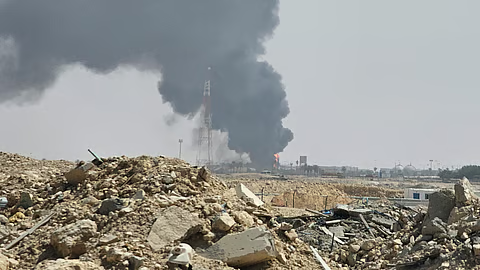
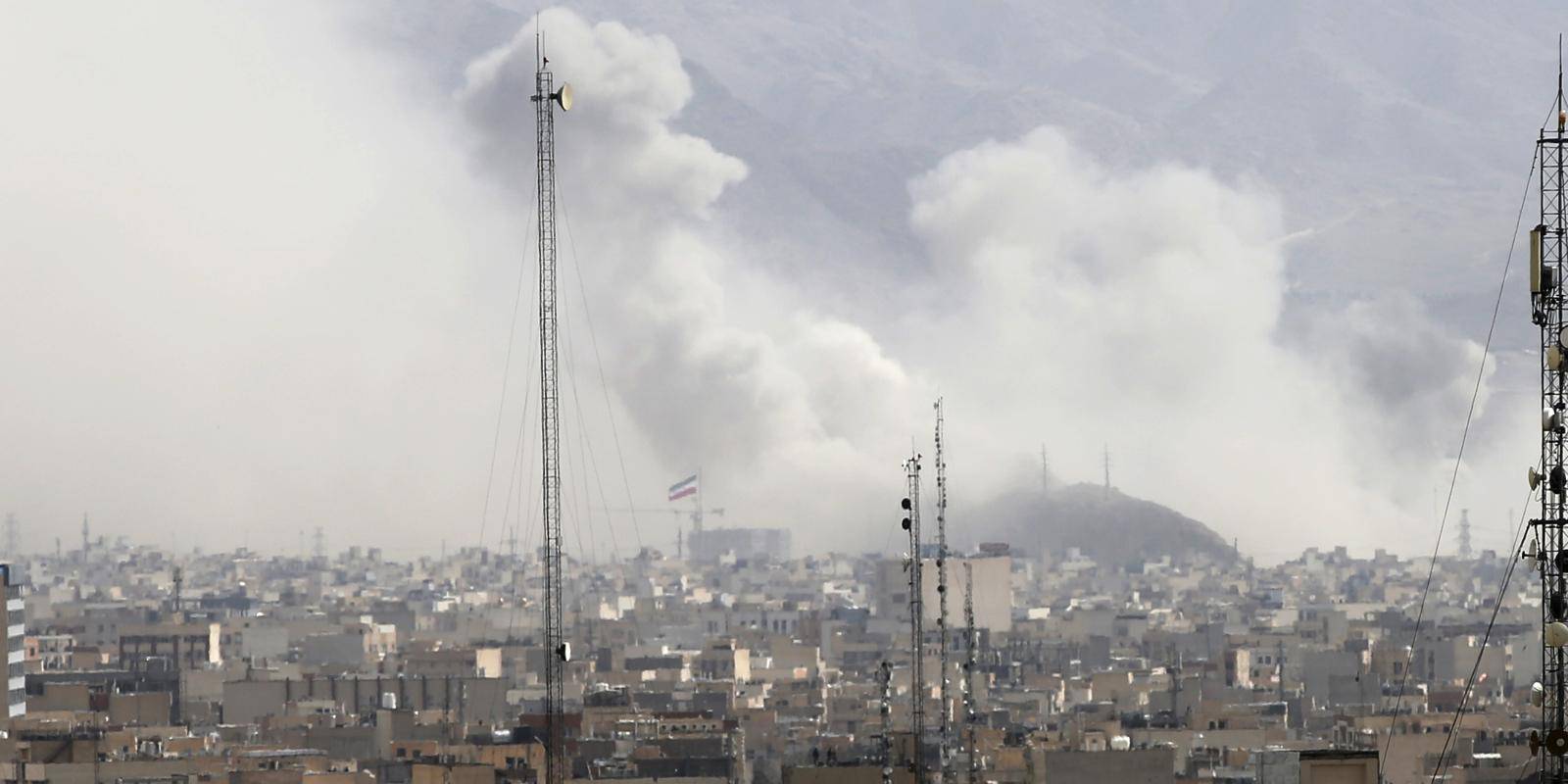
The threats did not emerge in a vacuum. The U.S. military announced that it had launched yet another wave of strikes against Iran, intensifying the ongoing campaign.
Iranian media reported explosions across several locations, including:
- Qeshm Island
- Bandar Abbas
- Chabahar
These reported strikes reflect the growing intensity of the military operations and help explain the sharpened tone coming out of Tehran.
Mixed Messages on Regional Neighbors
Interestingly, Iran’s messaging has carried a degree of contradiction. Even as one army official pledged to crush regional infrastructure, a military spokesman sought to strike a more measured tone regarding Iran’s neighbors.
Army spokesman Mohammad Akraminia insisted that Tehran had no intention of confronting the nearby nations of the Middle East. He emphasized that Iran has consistently prioritized expanding cooperation and building fraternal relations with countries in the region.
Akraminia framed the armed forces’ primary mission as protecting the security, interests, and dignity of the Iranian nation, vowing that they would spare no effort in fulfilling that responsibility. He also called on nations outside the region to engage with Iran on the basis of mutual respect, while stressing that Iran’s military stood fully prepared to defend the country’s security and national interests.
A Threat to Expand the War
Despite those more conciliatory words toward neighbors, the same spokesman issued a pointed warning aimed squarely at the United States. Akraminia cautioned that continued American aggression would push the conflict into new territory.
In a post on Telegram, he declared that if U.S. aggression persisted, the war would expand to new arenas. He went further, suggesting that Iran had not yet revealed the full extent of its military capabilities.
According to Akraminia, a significant portion of the armed forces’ strength remained undemonstrated. Should hostile actions continue, he warned, Iran’s response would match the circumstances and exceed the enemy’s expectations, opening entirely new fronts of confrontation.
Reading Between the Lines
Taken together, Iran’s statements paint a picture of a nation trying to project both restraint and menace at once. On one hand, Tehran appears eager to reassure its neighbors that they are not the target. On the other, it is issuing unmistakable threats to broaden the conflict if the United States does not relent.
This dual messaging may serve several purposes:
- Reassuring regional states in hopes of keeping them from aligning against Iran
- Signaling strength and resolve to a domestic audience
- Warning the United States that further escalation carries serious consequences
Whatever the intent, the combination of fiery threats and continued U.S. strikes leaves little room for optimism about a near-term de-escalation.
What Comes Next
As American strikes continue and Iranian officials warn of expanding the war, the risk of a much broader conflict looms large. The reported explosions on Qeshm Island, Bandar Abbas, and Chabahar suggest that the military campaign shows no sign of slowing, while Tehran’s threats hint at capabilities and responses yet to be unleashed.
For now, the region holds its breath. Whether Iran’s warnings translate into action, and whether the United States adjusts its approach, could determine whether this conflict remains contained or erupts into something far more dangerous. The coming days are likely to be decisive in shaping the trajectory of the Iran US war.
Author