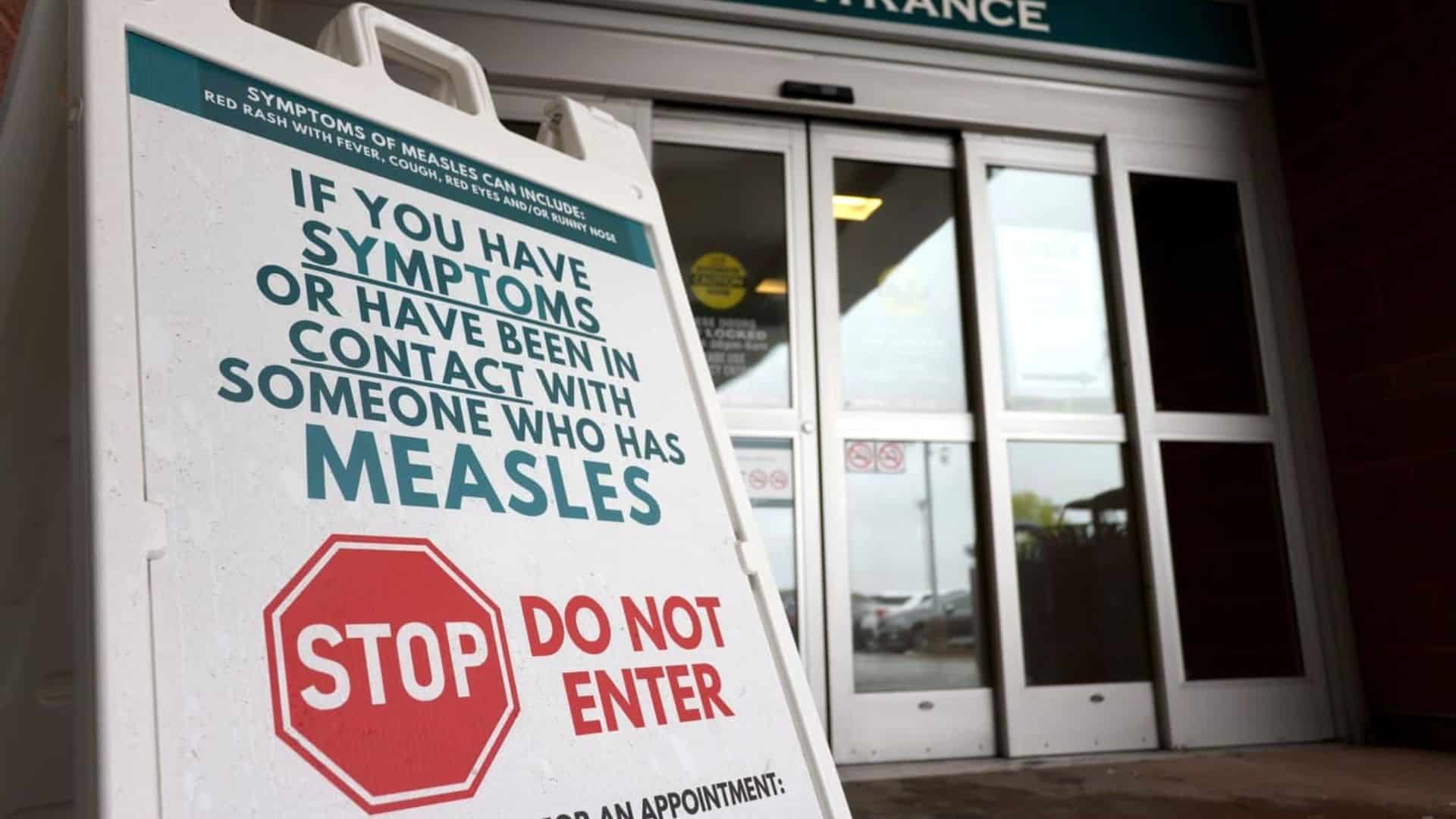
A measles exposure at Warren hospital has prompted a public health alert from the Warren City Health District, which is asking anyone who visited a local emergency room last week to watch closely for symptoms.
The notice was posted to the health district’s Facebook page and concerns visits on a single date.
Who May Have Been Exposed
According to the health district, people who were in the emergency room or the adjoining waiting area at St. Joseph Warren Hospital on August 23 may have been exposed to measles.
The exposure window covers that Sunday specifically. Anyone who was in those areas that day falls within the group the health district is asking to monitor themselves.
The Timeline to Watch
Measles does not announce itself immediately, which is why the monitoring period is long.
The health district is asking those potentially exposed to watch for symptoms over a 21-day period. Based on typical incubation, symptoms would most likely emerge between August 30 and September 13.
That means anyone in the affected group should stay alert well into the middle of September, even if they feel completely fine through the first week or two.
What to Look For
The early stages of measles resemble a number of ordinary illnesses, which is part of what makes it spread so effectively.
Symptoms include:
- High fever
- Cough
- Runny nose
- Red or watery eyes
The distinctive rash typically appears three to five days after the first symptoms begin, not at the outset. That delay means someone can be contagious and moving through public spaces before the most recognizable sign shows up.
What to Do If Symptoms Appear
The health district’s guidance is specific and worth following exactly.
Anyone who develops symptoms should stay home and avoid contact with other people. Rather than going directly to a clinic or emergency room, they should contact their healthcare provider first and explain that they may have been exposed to measles.
That advance notice matters enormously. It allows the provider to take precautions before the person arrives, preventing exactly the kind of waiting-room exposure that triggered this alert in the first place.
When It Becomes an Emergency
The health district also listed warning signs indicating a person needs immediate medical attention rather than a phone consultation:
- Trouble breathing or unusually rapid breathing
- Pain when coughing or breathing
- Dehydration
- Fever or headache that will not subside
- Confusion, reduced alertness, or severe weakness
- Blue coloring around the mouth, very low energy, or difficulty feeding
That last group applies particularly to infants and small children, who are among the most vulnerable to serious measles complications.
Why Measles Spreads So Easily
Measles is among the most contagious infectious diseases known.
The virus travels through the air and can remain suspended in a room for up to two hours after an infected person has left. Someone who never came into direct contact with a patient can still be exposed simply by occupying the same space afterward.
That characteristic explains why a single case in a hospital waiting area generates a public notice covering everyone who passed through, rather than a targeted list of close contacts.
The Vaccine
The health district noted that the MMR vaccine remains the most effective protection against measles.
The vaccine has an extensive track record and provides strong, long-lasting immunity for the large majority of people who receive the recommended doses. Anyone uncertain about their vaccination status can typically check with their healthcare provider or through state immunization records.
For those who are unvaccinated and were present during the exposure window, contacting a provider promptly is particularly important, since post-exposure options exist but are time-sensitive.
Why These Alerts Matter
Public exposure notices can feel alarming, but they serve a specific and practical function.
Measles outbreaks grow when infected people move through the community during the period before their rash appears. Interrupting that chain requires people to recognize their own risk early and isolate before they spread it further.
An alert like this one gives potentially exposed individuals the information needed to do that — which is why the health district issued it publicly rather than attempting to trace contacts individually.
What Happens Next
Anyone who was in the St. Joseph Warren Hospital emergency room or waiting area on August 23 should mark the dates and pay attention through September 13.
Most people who were present will not develop measles, particularly those who are vaccinated. The monitoring request is a precaution rather than a prediction.
For anyone who does notice symptoms during that window, the single most useful action is calling ahead before seeking care — protecting the next person in the waiting room the same way this notice is meant to protect them.
Author