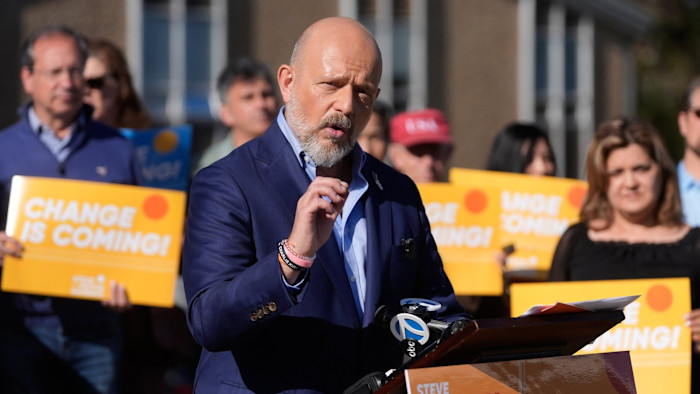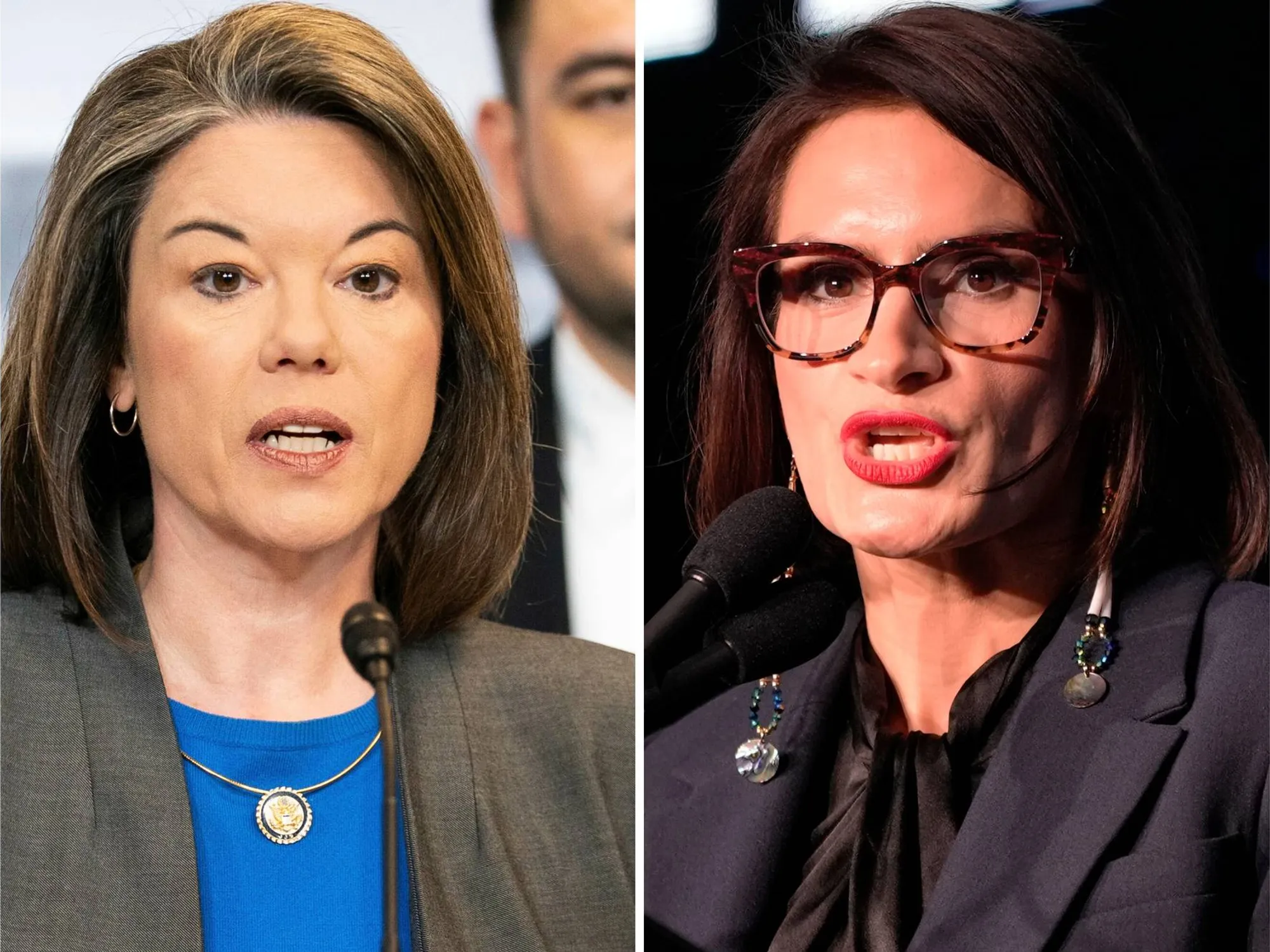
The progressive Democrats primaries unfolding across the Midwest this week have become the clearest referendum yet on where the party is heading before November. Two contests on Tuesday, one in Wisconsin and one in Minnesota, will offer hard evidence about whether the left’s recent winning streak extends beyond friendly territory into states that actually swing.
The stakes are not subtle. With just over 80 days until the general election, Democrats are still arguing among themselves about what kind of candidate can win.
A Streak That Reached the Purple States
The momentum began well before this week.
Progressives and democratic socialists have posted a string of victories this year, dislodging longtime House incumbents in Democratic strongholds across New York and Colorado. Last week the pattern reached a genuine battleground when Abdul El-Sayed defeated moderate Representative Haley Stevens in Michigan’s Senate primary, a race Democrats consider essential.
Michigan, Wisconsin and Minnesota all landing within the same month has concentrated attention on a region where general elections are actually competitive.
Wisconsin: A Socialist Leads a Wide-Open Race
Francesca Hong, a 37-year-old chef and state lawmaker, holds a commanding position in the scramble to succeed retiring Governor Tony Evers.
Decision Desk HQ puts her at 33 percent, far ahead of Milwaukee County Executive David Crowley at 12 percent.
The field around her collapsed in unusual fashion. Former Lieutenant Governor Mandela Barnes entered in 2025 as a presumed frontrunner and suspended his campaign late last month. Lieutenant Governor Sara Rodriguez, who topped a state Democratic straw poll in June, withdrew in July. Crowley himself briefly exited before returning with Evers’s endorsement, by which point Hong had consolidated progressive support from figures including Representatives Ro Khanna and Ilhan Omar.
She is backed by the Madison and Milwaukee branches of the Democratic Socialists of America.
Her past positions have drawn sustained criticism, including social media posts calling for defunding police and cancelling Thanksgiving, stances she has since moved away from.
DDHQ chief elections analyst Geoffrey Skelley noted that the repositioning has not calmed Wisconsin Democrats who worry her likely victory could endanger the party’s chances in a state it cannot afford to lose.
The Consultant Class Fight
The dispute turned personal after El-Sayed’s Michigan win. Former Obama strategist David Axelrod suggested that a Hong defeat would actually help El-Sayed by contrast, describing him as a serious figure while dismissing Hong in considerably harsher terms.
Hong’s response was pointed. She called the framing a textbook illustration of why the consultant class keeps losing elections.
Notably absent from her corner are the left’s most recognizable national figures. Neither Senator Bernie Sanders nor Representative Alexandria Ocasio-Cortez has endorsed her. Sanders told Pod Save America last week that his attention is on Senate and House contests.
A Different Read on the Race
One Wisconsin Democratic strategist, speaking anonymously to talk freely, rejected the standard framing entirely.
The contest, in this view, is less a test of progressivism than a test of how many voters have simply run out of patience with the existing order. The strategist described activists looking at a state that backed Trump twice and asking why the same consultants and the same approaches keep producing the same results.
That strategist also dismissed electability concerns as beside the point, arguing Republicans will campaign against socialism and communism regardless of who Democrats nominate.
Minnesota: A Proxy War for a Safe Seat
The Minnesota contest carries different mechanics but similar symbolism.
Lieutenant Governor Peggy Flanagan, who serves under Governor Tim Walz, faces moderate Representative Angie Craig in the primary to replace retiring Senator Tina Smith. Flanagan is a progressive but has not identified as a democratic socialist.
The fundamentals split in interesting ways:
- Craig has outraised Flanagan by roughly two to one and finished the last quarter with more cash available
- Flanagan leads DDHQ polling averages at approximately 42 percent to 38 percent
- Flanagan holds endorsements from Smith and from Sanders, who predicted a tight finish
Flanagan has navigated headwinds from the state’s sprawling fraud scandal while attacking Craig’s immigration record, a potent line in a state targeted by federal enforcement action.
Skelley suggested Flanagan may simply have the right message for this moment in the party’s internal politics, describing her as a progressive campaigning during what has been a progressive year.
Craig has built her closing argument around electability, insisting Republicans are eager to face Flanagan. She points to four wins in a genuinely purple House district as evidence she knows how to hold competitive ground.
The Democratic nominee is favored in November, though Republicans have not written the seat off. Former NFL broadcaster Michele Tafoya appears to lead the GOP primary against 2024 nominee and former NBA player Royce White and former Navy SEAL Adam Schwarze.
What Comes Next
The calendar does not pause after Tuesday.
Florida arrives next week, where DSA-backed Oliver Larkin is challenging Representative Jared Moskowitz in a toss-up 23rd Congressional District.
DSA co-Chair Ashik Siddique framed the year as a period of substantial gains in executive offices, citing Zohran Mamdani’s mayoral victory in New York City and Janeese Lewis George’s primary win in Washington, D.C. He argued there is real appetite for democratic socialist politics in many parts of the country.
He also acknowledged the limitation his movement now confronts. Both of those victories came in deep blue cities where the organization has spent years building. Wisconsin, he said, will measure how far that base actually extends.
The Question on the Ballot
Underneath the endorsements and polling averages sits a straightforward disagreement.
One side believes voters reject the party because it keeps offering cautious, poll-tested candidates who inspire nobody. The other believes voters reject candidates whose past statements hand opponents ready-made attack material in states decided by fractions of a point.
Tuesday will not settle that argument permanently. But it will provide the first real data from purple ground rather than safe ground, and both factions will be reading the results very closely.
Author
-
Lucienne Albrecht is Luxe Chronicle’s wealth and lifestyle editor, celebrated for her elegant perspective on finance, legacy, and global luxury culture. With a flair for blending sophistication with insight, she brings a distinctly feminine voice to the world of high society and wealth.