Beach safety has suddenly become the most urgent message along California’s central coast this week. After a heartbreaking tragedy and a string of dangerous incidents, emergency crews are pleading with the public to treat the ocean with the respect it demands.
A Week of Close Calls
The danger isn’t hypothetical. In just over a week, the marine unit of the Santa Cruz Fire Department has already carried out eight separate water rescues. That’s a staggering number for such a short window, and it points to conditions that are catching even experienced beachgoers off guard.
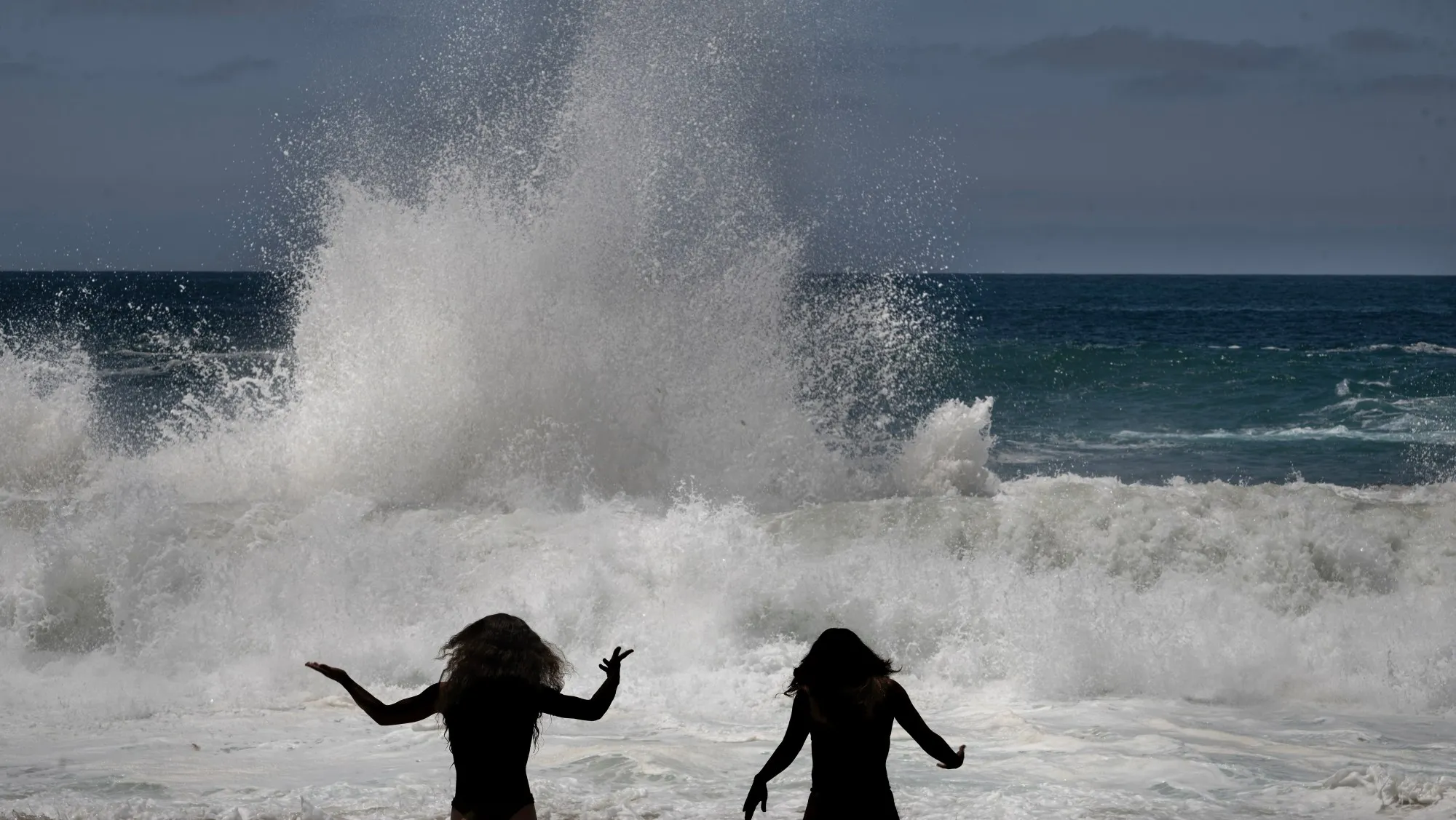
At the center of the concern is a phenomenon many visitors underestimate: sneaker waves. These surges arrive without warning, surging far up the sand and dragging unsuspecting people back into the surf before they can react.
Understanding the Threat of Sneaker Waves
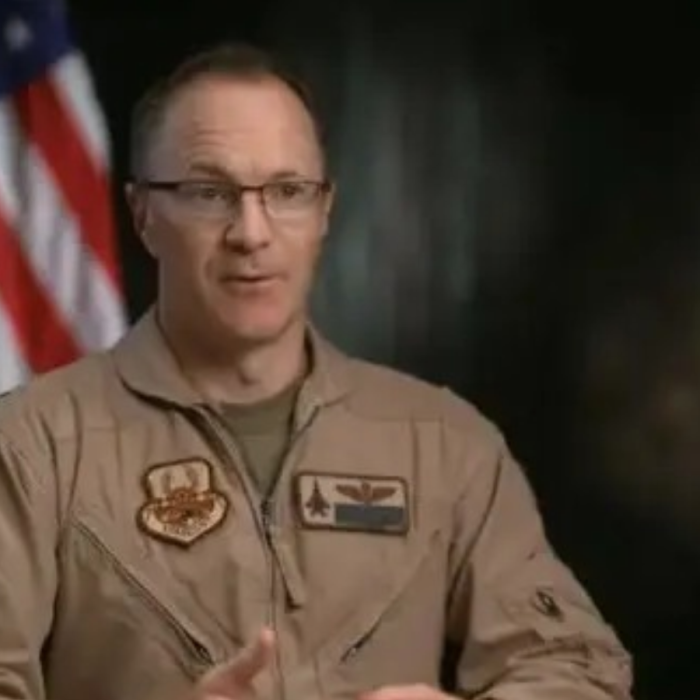
According to Capt. David Bodine of the Santa Cruz Fire Department’s Marine Safety Division, the coast is bracing for another powerful south swell. What makes this kind of swell so deceptive is the timing between waves.
Because the energy travels from far across the ocean, there can be long, calm gaps where the water looks almost peaceful. Then, suddenly, a rapid set of large waves rolls in. Bodine described how a stretch of flat, quiet water can give way to ten or twelve sizable waves in quick succession.
That false sense of calm is exactly what makes these conditions so risky. People wander close to the water’s edge during the lull, assuming the ocean is settled, only to be overwhelmed moments later.
A Tragedy That Hit Home
The warnings carry extra weight this week because of a devastating loss. Last Wednesday, two college students were resting on a beach just north of Santa Cruz when rising water swept over them without warning.
Michael Horn of Cal Fire CZU explained that the waves crept up on the young women while they were unaware, pulling them out into deeper water where escape became impossible.
The victims were identified as 21-year-old Harshita Nair, a student at UC Berkeley, and 20-year-old Mahial Sran, who attended San Jose State University. Both were from Fremont. Rescuers eventually managed to bring them out of the water, but neither survived.
A Community in Mourning
The loss has rippled far beyond the beach. Both women were graduates of Washington High School, and their deaths have shaken their hometown.
Fremont Mayor Raj Salwan shared his sorrow publicly, describing a community left heartbroken by the loss of two young people whose futures held so much promise. He extended his sympathies to their families, friends, and classmates, and acknowledged the grief spreading through the city.
But the mayor didn’t stop at condolences. He used the moment to press an urgent point: anyone heading to the coast needs to take ocean warnings seriously. He reminded the public that sneaker waves, powerful currents, and quickly rising tides can appear out of nowhere, and he urged people to check conditions before they go and to never turn their backs on the sea.
How to Stay Safe at the Beach
The lessons from this week are painful but clear. The ocean can shift from inviting to life-threatening in seconds. Here are some practical steps every beachgoer should keep in mind:
- Check conditions first. Before you head out, look up tide schedules and any posted hazard or surf warnings for the area.
- Never turn your back on the water. Sneaker waves strike from behind. Staying aware of the surf at all times gives you precious seconds to react.
- Keep your distance from the water’s edge. Even on a calm-looking day, stay well back from where waves are reaching. Wet sand often marks how far the water can travel.
- Don’t be fooled by the calm. A long, quiet gap between waves doesn’t mean the danger has passed. It may simply mean a powerful set is on its way.
- Avoid resting too close to the shoreline. Napping or lounging near the waterline leaves you vulnerable to rising water you won’t see coming.
- Watch children and pets closely. They can be swept away even faster than adults, and rescue attempts often put others at risk too.
Why These Warnings Matter More Than Ever
It’s easy to view safety advice as routine background noise, the kind of thing posted on signs we walk past without reading. But this week is a sobering reminder that those warnings exist because the ocean genuinely is unpredictable.
Long-distance swells, like the ones rolling toward the coast right now, are especially treacherous precisely because they don’t announce themselves. The water can look serene one moment and turn violent the next. People who feel completely safe can find themselves in danger within seconds.
Emergency crews can only do so much once someone is pulled into the surf. The strong currents and cold water make rescues extremely difficult, and as this week’s events show, not everyone makes it back.
A Final Word
The coast remains one of California’s most beautiful escapes, and no one is suggesting people stay away. The message is simpler than that: respect the water, stay alert, and don’t assume the ocean is safe just because it looks calm.
The loss of Harshita Nair and Mahial Sran is a tragedy that words can’t fully capture. But honoring their memory can mean something practical, taking these warnings to heart and making sure every trip to the beach is one everyone returns home from.
When you visit the shore, let caution be your companion. The ocean’s beauty is worth admiring, but never at the cost of letting your guard down.
Author