Hezbollah disarmament is possible, Lebanese President Joseph Aoun told American lawmakers and Trump administration officials this week. But he attached a condition that reframes the entire discussion: Israeli forces have to leave southern Lebanon first.
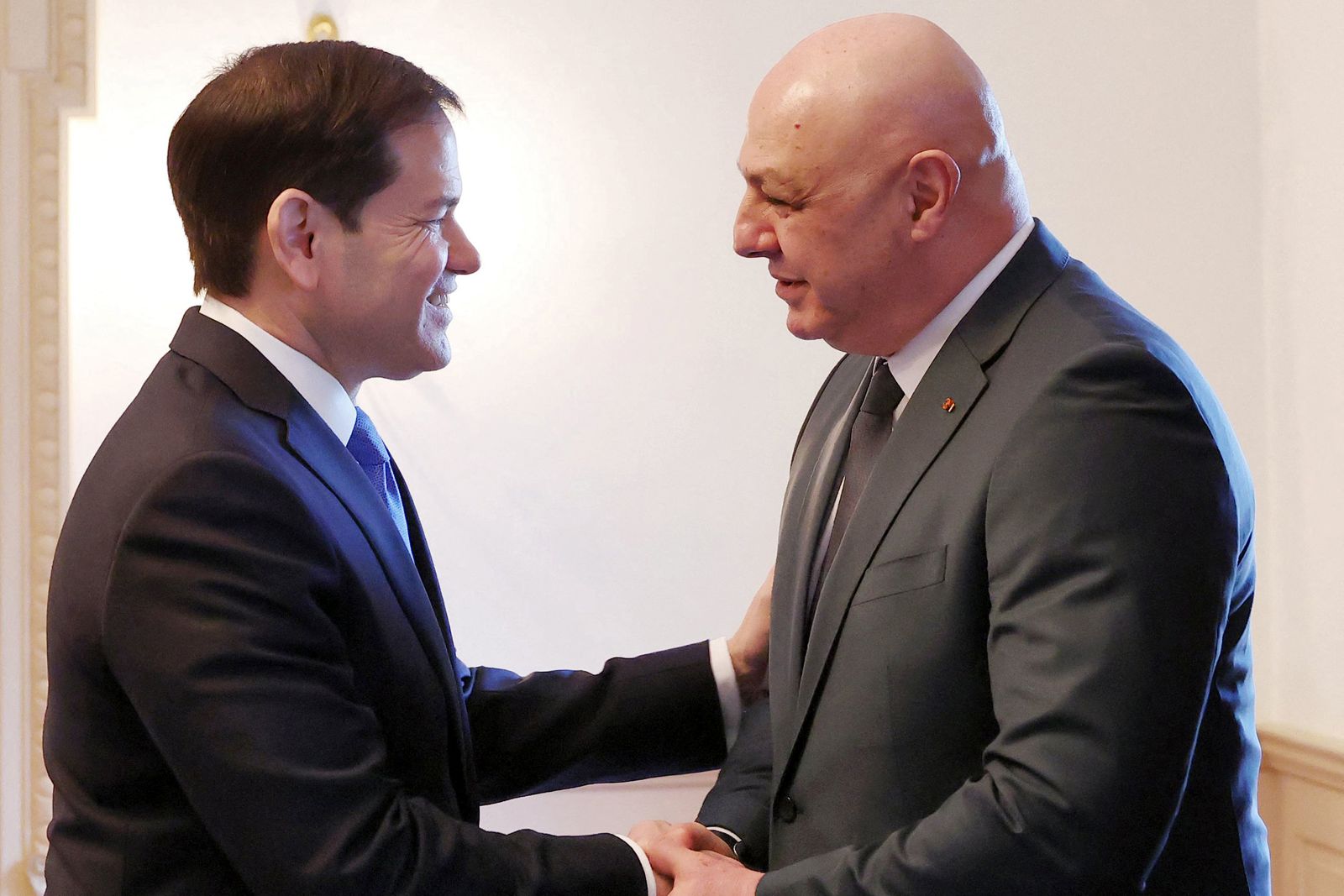
Aoun made the comments at a dinner held in his honor and hosted by Lebanese Ambassador Nada Hamadeh Moawad, according to his office.
One State, One Army
Aoun’s argument rests on a principle he returned to repeatedly during his Washington visit.
Lebanon cannot be secure or unified, he said, until it becomes “one state with one army that protects all Lebanese.”
Then came the conditional.
“Hezbollah’s weapons can be disarmed if we are honest about what it truly requires,” Aoun said, “namely the removal of the occupation and the army taking full control.”
That sentence contains the whole negotiation in miniature. Aoun is not refusing disarmament. He’s saying the sequence matters, and that his government cannot deliver it while foreign troops remain deployed on Lebanese soil.
A First Since 2009
Aoun’s trip carried symbolic weight beyond its agenda. He is the first Lebanese president invited to Washington since 2009, ending a gap of roughly seventeen years.
At a White House meeting earlier Tuesday, he asked President Trump for two things: political backing, and continued support for the Lebanese Armed Forces.
That military has already begun deploying into southern areas, including zones Israeli forces have vacated under a US-backed framework agreement between the two countries.
Aoun’s Case for His Own Army
A former army commander himself, Aoun leaned heavily on the institution he once led.
He described the Lebanese military as the backbone of security and stability in the country, and as its most trusted institution.
That claim carries real weight domestically. In a state fractured along sectarian and political lines, the army is one of the few bodies with broad legitimacy across communities. Aoun is essentially arguing that strengthening it is the only viable path to a Lebanon where a single authority holds a monopoly on force.
Israel Isn’t Convinced
Israeli officials have voiced clear doubts about the premise.
Their position is twofold. First, they question whether the Lebanese Armed Forces are strong enough to disarm Hezbollah by force on their own. Second, they argue that Israeli troops need to remain in the south to maintain a buffer zone keeping the Iran-backed group away from the border.
That produces a genuine deadlock rather than a manufactured one.
Aoun says the presence of Israeli troops prevents Lebanese disarmament. Israel says the absence of Israeli troops guarantees Hezbollah’s return. Each side’s precondition is the other side’s dealbreaker.
Trump Keeps His Options Open
Asked directly whether the United States would help the Lebanese army disarm Hezbollah, Trump declined to commit publicly. He said he would discuss the question with Aoun privately.
That noncommittal answer is worth noting. American support for the Lebanese military has been substantial in the past, but pledging assistance specifically for disarming Hezbollah would mean signing on to Aoun’s framing of the problem, which Israel disputes.
What the June 26 Framework Does
The agreement underlying all of this was signed on June 26 after multiple rounds of direct negotiations.
It sets out a phased Israeli pullback from positions in south Lebanon, with the stated goal of building toward eventual peace between the two countries.
Phased is the operative word. The framework doesn’t demand a single withdrawal. It contemplates a sequence, which in theory allows both sides to test each other’s compliance incrementally rather than gambling everything at once.
That structure is also where the agreement is most likely to break down. Every phase becomes its own negotiation, and each one requires both sides to accept that the other has met its obligations.
Why This Is So Difficult
A few realities sit underneath the diplomatic language.
Hezbollah is not simply an armed group. It is a political party with parliamentary representation, a social service network and deep roots in parts of Lebanese society. Disarming it is not a purely military operation, and any Lebanese government attempting it by force risks internal conflict.
The Lebanese Armed Forces, meanwhile, operate under severe resource constraints in a country that has endured years of economic collapse. Aoun’s request for continued backing is not ceremonial.
And Israel has watched previous arrangements in south Lebanon fail to prevent rearmament, which explains its reluctance to rely on paper commitments.
What to Watch
The immediate questions are practical.
Whether the phased withdrawal continues on schedule will indicate whether the June framework is functioning or stalling.
Whether Washington increases material support for the Lebanese army will show how far Trump is willing to go toward Aoun’s position.
And whether Lebanese forces can actually hold and control the territory Israel vacates will determine whether the entire premise holds up.
Aoun came to Washington with a clear offer and a clear condition. The response he gets in private may matter far more than anything said at the dinner.
Author
-
Lucienne Albrecht is Luxe Chronicle’s wealth and lifestyle editor, celebrated for her elegant perspective on finance, legacy, and global luxury culture. With a flair for blending sophistication with insight, she brings a distinctly feminine voice to the world of high society and wealth.