White House Checkpoint Shooting Leaves Bystander Wounded and Suspect Dead
A White House checkpoint shooting on Saturday evening has left a bystander fighting through serious injuries while the suspect, identified as 21-year-old Nasire Best, was fatally shot by US Secret Service officers. As of Sunday, the bystander was in serious but stable condition, with officials saying his injuries are not believed to be life-threatening. The incident has reignited concerns about presidential security and raised fresh questions about how authorities handle threats around one of the world’s most heavily guarded buildings.
What Happened Outside the White House
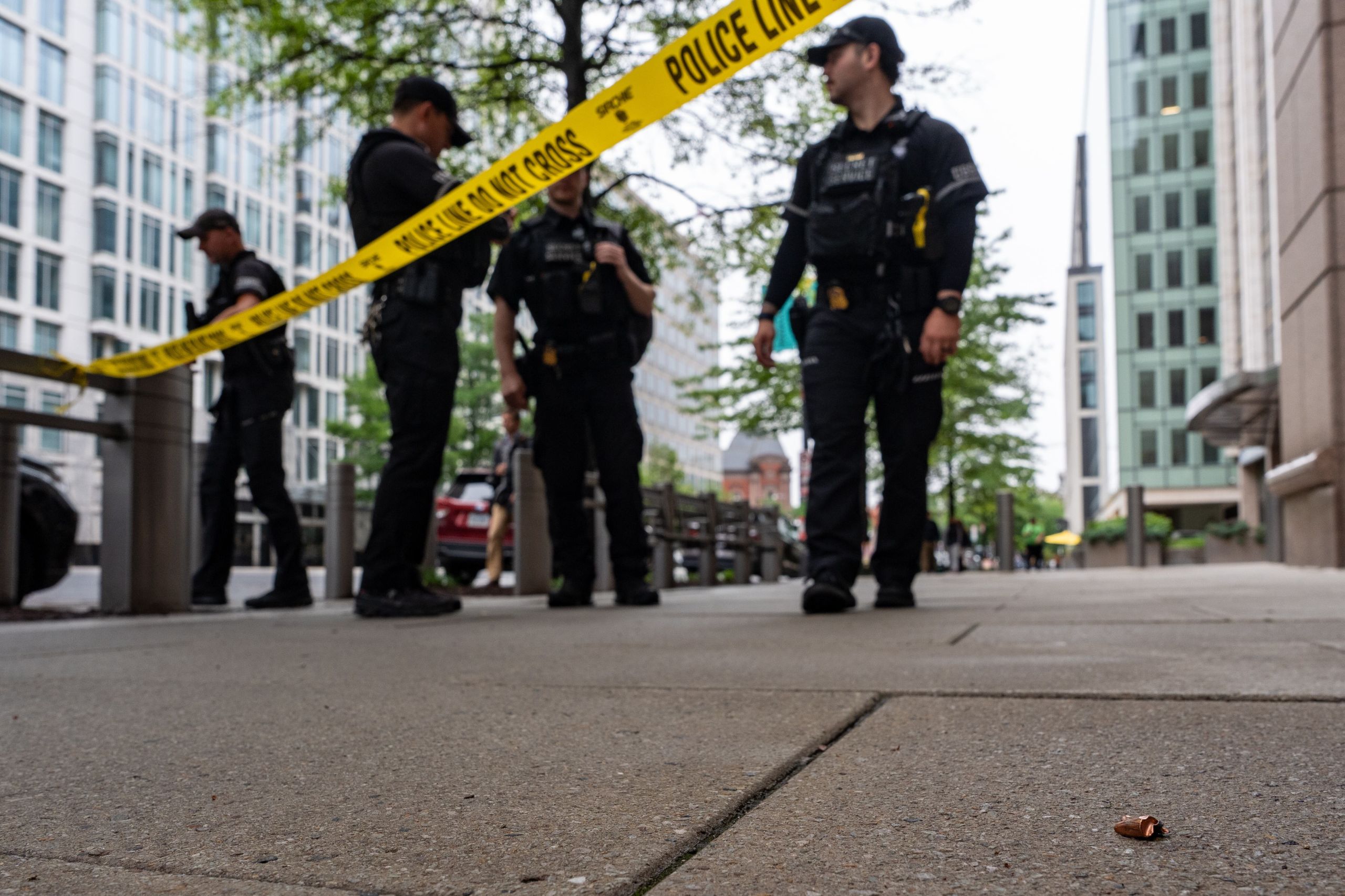
According to the District of Columbia Metropolitan Police Department, Best opened fire near a White House security checkpoint early Saturday evening. Secret Service officers responded immediately, returning fire and bringing the threat to an end. Best was later pronounced dead at a nearby hospital.
The wounded bystander, whose identity has not been released, was caught in the gunfire. The Secret Service confirmed he suffered a gunshot wound but emphasized that his injuries are not considered life-threatening. Exactly how he was struck remains unclear, and officials have been tight-lipped about the finer details of the encounter.
No officers were hurt during the exchange. Secret Service Director Sean Curran addressed the public via social media, expressing relief that none of his agents were harmed while also offering thoughts to the injured bystander. He stated that the agency is hopeful for the man’s full recovery.
President Trump Was Inside the White House
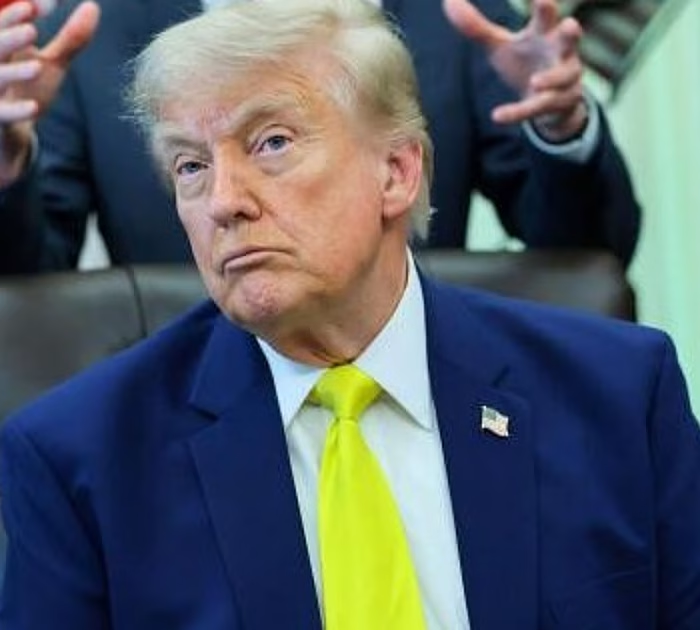
At the time of the incident, President Donald Trump was inside the White House. He later addressed the shooting through a post on Truth Social, suggesting that the suspect may have had a “possible obsession with our Country’s most cherished structure.”
In the same message, Trump used the moment to push for increased security upgrades around the presidential residence. He emphasized that the incident underlines the importance of building what he described as one of the safest and most secure structures in Washington, DC. The president has been advocating for a new ballroom to be built on the site of the White House’s former East Wing and is currently requesting $1 billion from Congress to fund a sweeping set of security additions, including this proposed ballroom.
A Pattern of Worrying Incidents
This is not the first close call for the president in recent weeks. In fact, Saturday’s incident marks the third shooting in just over a month involving the area near President Trump.
A look at the recent timeline shows a concerning pattern:
- April: A man stormed the White House Correspondents’ Association Dinner armed with guns and knives
- Earlier this month: Secret Service officers shot and wounded a man who opened fire near the Washington Monument
- Saturday: The fatal checkpoint shooting involving Nasire Best
Together, these events have prompted renewed scrutiny of the security protocols surrounding the president and the White House complex.
Who Was Nasire Best?
The suspect, Nasire Best, was a 21-year-old from Dundalk, Maryland. According to District of Columbia court records, this wasn’t his first encounter with law enforcement near the White House.
Back in July of last year, Best was arrested after attempting to enter White House grounds at a different checkpoint. At the time, he reportedly ignored officers’ commands to stop, declared that he was Jesus Christ, and said he wanted to be arrested. The incident raised concerns about his mental state, but it remains unclear whether he received any follow-up support or evaluation after that arrest.
Before that, Best had been a track and field athlete at Dundalk High School, from which he graduated in 2023. Friends and family members have described him in mixed but largely non-violent terms.
A woman who identified herself as his mother told The Washington Post that she found out about the shooting through social media. She expressed shock and disbelief, saying her son was never a violent person, regardless of what others might post online. Her grief reflects a deeper question that often follows tragic incidents like this one. How does someone with no apparent history of violence end up in a situation that ends so badly?
Public Safety Questions Resurface
The repeated incidents near the White House have left many people asking whether enough is being done to protect both the president and the surrounding public. While the Secret Service is widely regarded as one of the most highly trained protective agencies in the world, the recent string of events has put a spotlight on potential vulnerabilities.
Some of the key questions being asked include:
- How are early warning systems detecting people who have already had prior security-related run-ins?
- What protocols are in place for evaluating individuals with possible mental health crises?
- Could earlier intervention have prevented Saturday’s tragedy?
- Are bystander protection measures sufficient near high-risk security checkpoints?
- Do recent incidents point to a broader rise in politically motivated or symbolic attacks?
The Push for a More Secure White House
President Trump’s call for a major upgrade to White House security is likely to gain more political momentum after Saturday’s shooting. His proposal includes adding new structural elements, enhanced perimeter defenses, and the controversial ballroom project on the former East Wing site.
Supporters of the plan argue that the White House must keep pace with modern threats, including drones, lone attackers, and coordinated security challenges. Critics, on the other hand, point out that more concrete and steel are not always the answer to deeply rooted issues such as mental health crises or radicalization.
The $1 billion request now sitting before Congress is expected to spark debate in the coming weeks. Whether lawmakers will green-light the funding remains to be seen, but the recent rise in incidents around the White House could shift opinions on Capitol Hill.
The Road Ahead for the Injured Bystander
While much of the media attention has focused on the suspect and the security implications, the most pressing story for many is the condition of the injured bystander. As of Sunday, his recovery was looking hopeful, with doctors describing his injuries as serious but not life-threatening.
The Secret Service has emphasized that they are wishing him a full and speedy recovery. His identity has not been released, and authorities have not shared whether he was simply walking near the area, working nearby, or visiting Washington as a tourist.
Final Thoughts
The White House checkpoint shooting is a stark reminder of the dangers that come with operating near such a high-profile location. With a wounded civilian fighting through recovery, a young man dead, and a president pushing for sweeping security reforms, this story is far from over.
In the days ahead, more details about Nasire Best’s background, the response timeline, and the broader security review will likely emerge. For now, the focus remains on supporting the injured bystander, examining the response, and looking carefully at what can be done to prevent another tragedy in the heart of America’s capital.
Author