The Iran war has reached its 116th day with notable diplomatic movement, as the United States temporarily eased oil sanctions and Iran agreed to allow international nuclear inspections to resume. The developments mark a significant shift in a conflict that has dragged on for months, offering tentative signs of de-escalation even as deep tensions and uncertainties remain.
Alongside the sanctions relief, a fragile ceasefire in Lebanon appears to be holding, and fresh talks between Israel and Lebanon are on the horizon. Here’s where things stand as the conflict enters a pivotal new phase.
Sanctions Relief and Frozen Funds Released
One of the biggest developments centers on money and oil. Iran’s top negotiator, Mohammad Bagher Ghalibaf, announced that an agreement had been reached with the United States to release $12 billion in frozen Iranian funds following talks in Switzerland.
In exchange for Tehran’s commitment to allow international nuclear inspectors back into the country, the US moved to ease sanctions. The key financial steps included:
- The US Treasury waiving sanctions on the sale of Iranian crude oil, petrochemicals, and petroleum products until August 21
- The release of two tranches totaling $12 billion in previously frozen Iranian funds
- A temporary 60-day easing of oil sanctions tied to the nuclear inspection agreement
Ghalibaf hailed what he described as “good achievements” in the talks, signaling cautious optimism on the Iranian side.
Progress on the Diplomatic Front
Beyond the financial measures, officials reported momentum in the negotiations themselves.
Iranian Deputy Foreign Minister Kazem Gharibabadi said technical talks with the US had concluded, with the next phase set to proceed under the supervision of a high-level committee. That committee reportedly includes Ghalibaf, Foreign Minister Abbas Araghchi, and US Vice President JD Vance.
There was also movement on maritime security. Omani Foreign Minister Badr Albusaidi reaffirmed a commitment to “toll-free passage” in the Strait of Hormuz following talks with Iranian diplomats in Muscat, an important step given the waterway’s global significance.
Henry Ensher, a former US ambassador and deputy assistant secretary of state, offered a measured interpretation of the developments. He suggested that the release of frozen assets and the resumption of maritime traffic indicate both sides are “getting what they want.” He added that each side is keen to show it has gained the upper hand, or at least that it is not being taken advantage of.
Reactions Inside Iran
Within Iran, leaders struck a tone that balanced engagement with caution.
President Masoud Pezeshkian called for full commitment to the agreed obligations, stressing that the effectiveness of the talks depends on precise implementation of what has been agreed. Ghalibaf, meanwhile, defended the decision to negotiate with the US, framing it as an effort to end the bloodshed in Lebanon.
A point of friction emerged over how the released funds would be used. Central Bank of Iran Governor Abdolnaser Hemmati pushed back on claims by President Trump that the money would go toward buying US farm products. Hemmati insisted Iran has no obligation to purchase American agricultural goods, clarifying that the first $6 billion could be used for basic goods and medicine.
The View From Washington
In the United States, the developments drew sharply contrasting responses.
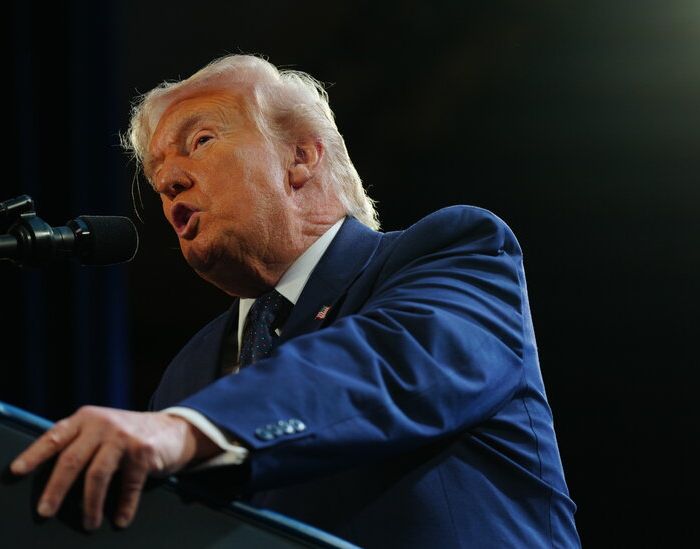
President Trump expressed confidence in the process, saying Iran “will agree” to weapons inspections and asserting that any released Iranian assets would be used to buy US produce, a claim directly disputed by Iranian officials.
Democrats, however, voiced strong criticism. Members of the House Foreign Affairs Committee accused Trump of granting Iran sanctions relief before achieving meaningful progress on critical issues, including Tehran’s nuclear program. They argued that administration officials had previously tied sanctions relief to Iran addressing both its nuclear program and its terrorist proxies, yet claimed neither had been resolved while Iran received sweeping relief it had long sought.
The Situation in Lebanon
The ceasefire between Israel and Hezbollah has largely held, though tensions and fears of renewed conflict persist.
A notable milestone came when the United Nations reported that Sunday marked the first time its peacekeepers detected no air attacks in Lebanon since March 2, the day hostilities had sharply escalated. Despite this, displaced residents have remained hesitant to return home amid lingering uncertainty.
Both sides have issued warnings. Mahmoud Qamati, deputy head of Hezbollah’s political council, cautioned that the group would respond to any violation of the ceasefire by Israel, saying Hezbollah remains fully alert and ready to confront any breach.
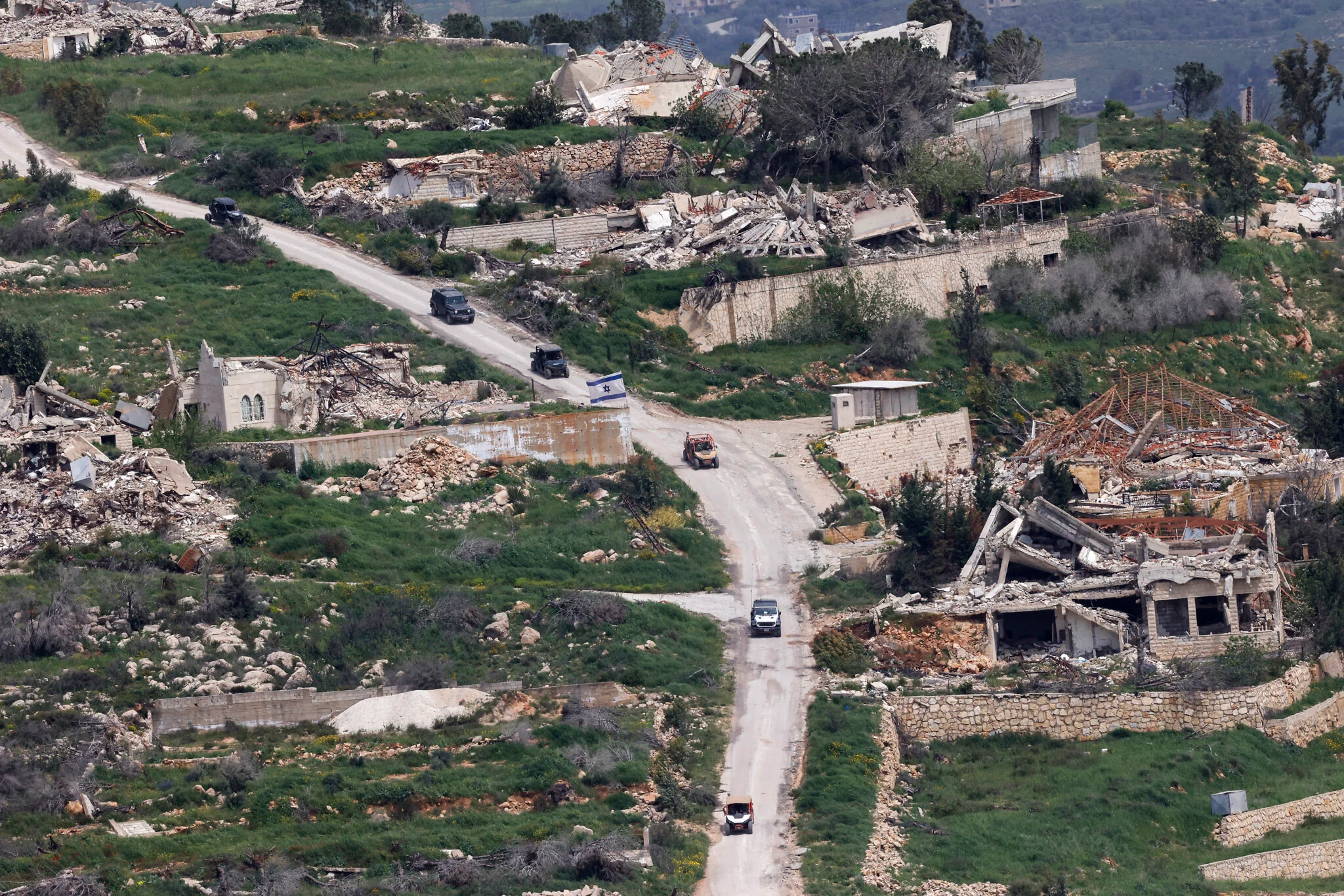
On the Israeli side, Prime Minister Benjamin Netanyahu, Defence Minister Israel Katz, and Chief of the General Staff Eyal Zamir made clear that Israeli troops would continue occupying southern Lebanon. They stated the military would act with determination to neutralize threats and demolish Hezbollah infrastructure, while maintaining what they call a security zone in the region, an area where Israel has razed buildings and displaced large numbers of people.
What Comes Next
Looking ahead, diplomacy is set to continue on multiple tracks. Israel and Lebanon are scheduled to begin a new round of direct talks in Washington on Tuesday, a development that could prove crucial to solidifying the fragile calm.
The Bottom Line
Day 116 of the Iran war captures a conflict caught between genuine diplomatic progress and persistent distrust. The easing of oil sanctions, the release of billions in frozen funds, the resumption of nuclear inspections, and the holding ceasefire in Lebanon all point toward possible de-escalation.
Yet sharp disagreements remain, from how Iran’s released funds will be spent to whether the relief was granted prematurely, and Israel’s continued occupation of southern Lebanon keeps the situation volatile. As negotiations move into their next phase and new talks begin, the coming days will test whether this fragile momentum can hold or whether the conflict will once again flare.
Author