Iran Warns Of US Strike Buildup As Tehran Threatens Retaliation Amid Diplomatic Push
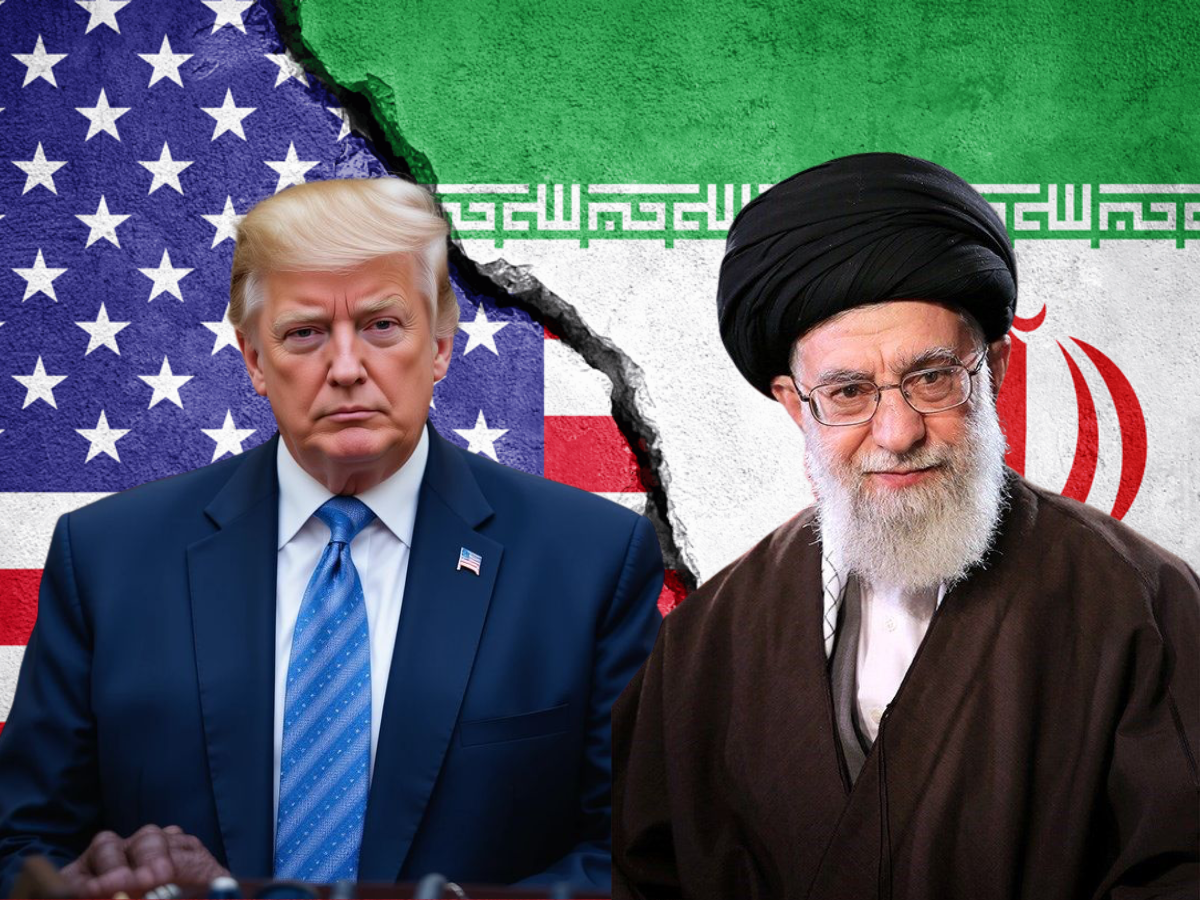
Iran US strikes tensions have escalated sharply after Tehran’s central military command announced it had received intelligence indicating the United States is preparing to resume military strikes against the country, reviving fears of renewed conflict following months of relatively reduced direct hostilities.
Iran’s Military Sounds The Alarm
The warning came Sunday from the Khatam al-Anbiya Central Headquarters, the command structure overseeing Iran’s armed forces, raising serious concerns about a potential new phase of fighting between the two nations. Tehran made clear that any renewed American assault would trigger retaliation targeting US bases and interests throughout the Middle East region.
Iranian officials went further, issuing a pointed warning to regional countries against providing any assistance to Washington. The military command specified that nations allowing their territory or facilities to support American attacks would be considered complicit in those actions and could themselves face Iranian retaliation as a consequence.
Trump Weighs His Options
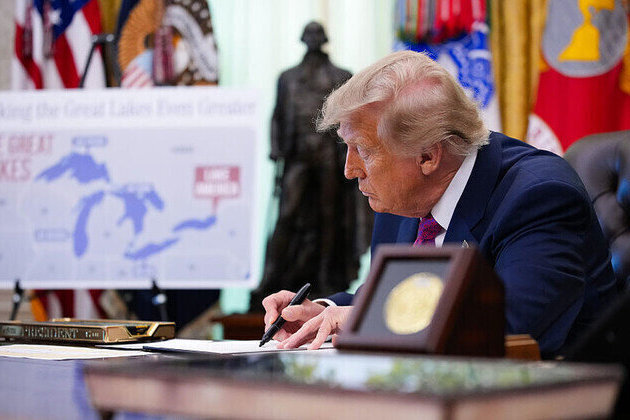
Speaking with Fox News on Sunday, President Trump described himself as being in what he called a deciding mode regarding Iran, acknowledging that his available options include additional military action, increased economic pressure, or pursuing some form of negotiated agreement.
Notably, Trump also expressed openness to potentially meeting with Iranian President Masoud Pezeshkian on the sidelines of this week’s United Nations General Assembly gathering in New York, suggesting diplomatic channels remain at least partially open despite the heightened rhetoric.
Diplomatic Movements Continue
Iran’s Foreign Minister Abbas Araghchi departed Tehran Sunday evening bound for the UN General Assembly in New York, according to state media reports, with officials noting he would make a brief stopover in Qatar during his journey.
Meanwhile, Iranian Parliament Speaker Mohammad Bagher Ghalibaf told lawmakers Sunday that Tehran should prioritize military force to push back against its adversaries before pursuing diplomatic avenues to lock in any resulting gains, a stance suggesting hardline elements within Iran’s government favor confrontation over immediate negotiation.
According to reports, Tehran has communicated specific conditions to Qatari and Pakistani mediators regarding any renewed talks. These conditions include ending the ongoing war and US attacks entirely, releasing frozen Iranian financial assets, and lifting the American naval blockade currently affecting Iranian ports. Ghalibaf reinforced this position, stating that the Strait of Hormuz would remain closed until Washington fulfills what Iran considers its obligations under a previous agreement.
A Deliberate Two-Track Strategy
Al Jazeera correspondent Tohid Asadi, reporting from Tehran, characterized Iran’s current messaging as a deliberate two-track approach, with officials simultaneously signaling openness to diplomatic solutions while actively preparing for the possibility of renewed military conflict.
Qatar, which has been mediating between the two sides throughout this crisis, reported that its officials continue traveling between various capitals, exchanging proposals aimed at restarting formal negotiations. Qatari Foreign Ministry spokesperson Majed al-Ansari indicated that Doha had received assurances from American officials confirming Washington’s genuine interest in reaching an agreement.
Impact On Global Shipping
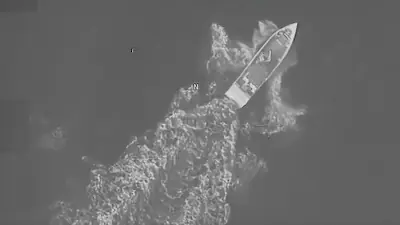
The ongoing confrontation has already begun disrupting activity through the Strait of Hormuz, the narrow waterway connecting the Gulf to the Arabian Sea that serves as a critical route for global energy shipments. Shipping data revealed a significant decline in traffic, with only 12 commodity vessels crossing the strait over the weekend, down sharply from 35 vessels the previous weekend.
This broader conflict traces back to late February, when it began following joint US-Israeli strikes against Iran. A 60-day memorandum reached in June had temporarily reduced full-scale fighting, but that agreement expired last month, and attacks around the Hormuz region have increased noticeably since then.
Assessing The Current Standoff
Mark Pfeifle, a Republican strategist and former White House national security official, offered his assessment to Al Jazeera, describing both nations as essentially locked in a frozen conflict, with each side attempting to increase pressure on the other ahead of potential diplomatic engagement expected around this week’s UN gathering in New York.
Author