US-Iran Peace Framework Sparks Backlash From Israeli Opposition Leader
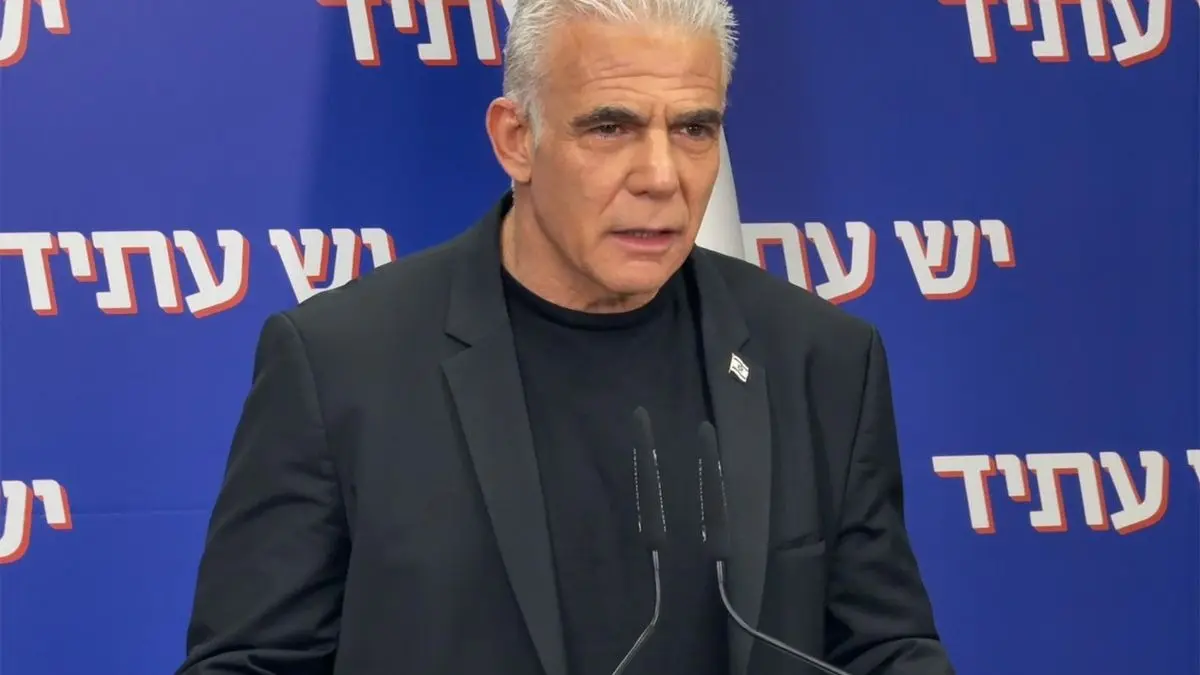
The reported US-Iran peace framework has triggered sharp political reactions across the Middle East, with Israeli opposition leader Yair Lapid leading the charge against the emerging agreement. Lapid called the deal a serious mistake and accused the Israeli government of mismanaging the entire diplomatic process. His criticism comes as the United States and Iran continue working through the final details of what could become one of the most consequential agreements in recent years.
Lapid Calls the Emerging Agreement a Disaster
In a strongly worded message posted on social media, Yair Lapid described the developing deal between Washington and Tehran as a disaster for the region. He stated that he had supported the war against Iran from the very beginning, but argued that the diplomatic handling of the situation has been deeply flawed.
Lapid did not hold back in his criticism of Prime Minister Benjamin Netanyahu, suggesting that he has lost his sharpness and is now surrounded by advisers who are ill-suited to govern. According to Lapid, the country is paying the price for ongoing leadership failures rather than benefiting from strategic foresight.
He briefly served as Israel’s prime minister from July to December 2022 under a rotation agreement with former Prime Minister Naftali Bennett. Ahead of the upcoming Israeli legislative elections in October, his centrist Yesh Atid party has joined forces with Bennett’s group to challenge Netanyahu’s Likud party.
What the US-Iran Peace Framework Reportedly Includes
According to a senior Trump administration official who spoke with NewsNation’s Katie Pavlich, the proposed framework includes several major elements. While final details have not been confirmed, the broad outline appears to center on building trust through measurable steps.
Some of the key reported components of the agreement include:
- A 60-day ceasefire to create space for further negotiations
- Talks aimed at imposing restrictions on Iran’s nuclear program
- A commitment by Iran to reopen the Strait of Hormuz
- Gradual easing of the US naval blockade as Iran meets specific conditions
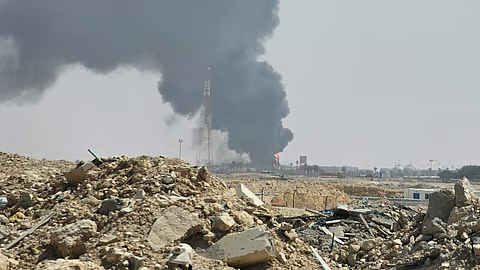
Iran has restricted shipping through the Strait of Hormuz since the United States and Israel launched military strikes on February 28. The disruption sent global oil prices climbing, putting noticeable pressure on American consumers, especially at the gas pump.
A Conditional Approach Built on Verification
The Trump administration is positioning the agreement as a strict, performance-based deal rather than a goodwill gesture. The senior official described the structure as a tough version of the well-known principle of trust but verify.
Under the reported terms, Iran will not receive any benefits unless it follows through on its obligations. As Tehran takes verified steps, the United States will gradually scale back its naval blockade. The official summarized the philosophy with a simple line: no dust, no dollars.
This conditional structure appears designed to address concerns from skeptics in Washington and abroad who worry that Iran could exploit any agreement that offers immediate concessions.
Trump Signals Cautious Optimism
President Donald Trump weighed in on the negotiations through his Truth Social platform, stating that talks with Iran are progressing well. However, he also warned Tehran against rejecting the proposals on the table.
Trump made clear that the deal will either be a strong, comprehensive agreement or there will be no deal at all. He cautioned that a breakdown in talks could push the conflict back to the battlefield, but on an even larger and more intense scale than before. According to him, nobody on either side actually wants that outcome.
His message reflects a familiar negotiating style, blending public optimism with sharp warnings designed to keep pressure on the opposing side.
Netanyahu Insists on Eliminating the Nuclear Threat
Prime Minister Benjamin Netanyahu also addressed the negotiations on social media, confirming that he had recently spoken with President Trump about the situation. He emphasized that both leaders agreed any final agreement must completely eliminate Iran’s nuclear threat.
Netanyahu went further by stating that this must include the dismantling of Iran’s nuclear enrichment sites and the removal of all enriched nuclear material from Iranian territory. His position highlights the gap between official Israeli demands and the looser framework reportedly being negotiated between the United States and Iran.
This contrast also explains why the opposition in Israel is reacting so strongly. While Netanyahu publicly supports tough conditions, critics like Lapid argue that the actual diplomatic outcome may fall far short of those promises.
A Politically Sensitive Moment for Israel
The timing of the deal makes the situation even more politically charged. With Israeli elections approaching in October, the debate over Iran is becoming a central issue. Opposition leaders are using the negotiations to argue that the current government has weakened Israel’s position in the region.
For Lapid and Bennett, the developing agreement provides a powerful campaign issue. They are framing the deal as evidence that Netanyahu’s leadership is no longer capable of protecting Israel’s strategic interests during one of the most volatile periods in recent history.
What Comes Next in the Negotiations
The road ahead remains uncertain. The proposed 60-day ceasefire is intended to give negotiators time to reach a more permanent agreement on Iran’s nuclear program and on regional security. However, several major issues still need to be resolved, including:
- The future of Iranian sanctions relief
- The release of frozen Iranian assets
- Long-term restrictions on uranium enrichment
- Security guarantees for US allies in the region
As both sides continue to talk, leaders in Israel, the Gulf states, and Europe will be watching closely. The final shape of the US-Iran peace framework could redefine the balance of power across the Middle East for years to come, making the coming weeks especially critical for global diplomacy.
Author