Japan H3 rocket launch made a triumphant return on Friday morning, marking the program’s comeback roughly six months after a failed mission in December. The flight also debuted a brand-new low-cost version of the rocket, part of Japan’s broader push to compete more aggressively in the increasingly crowded global launch market.
A Clean Liftoff From Tanegashima
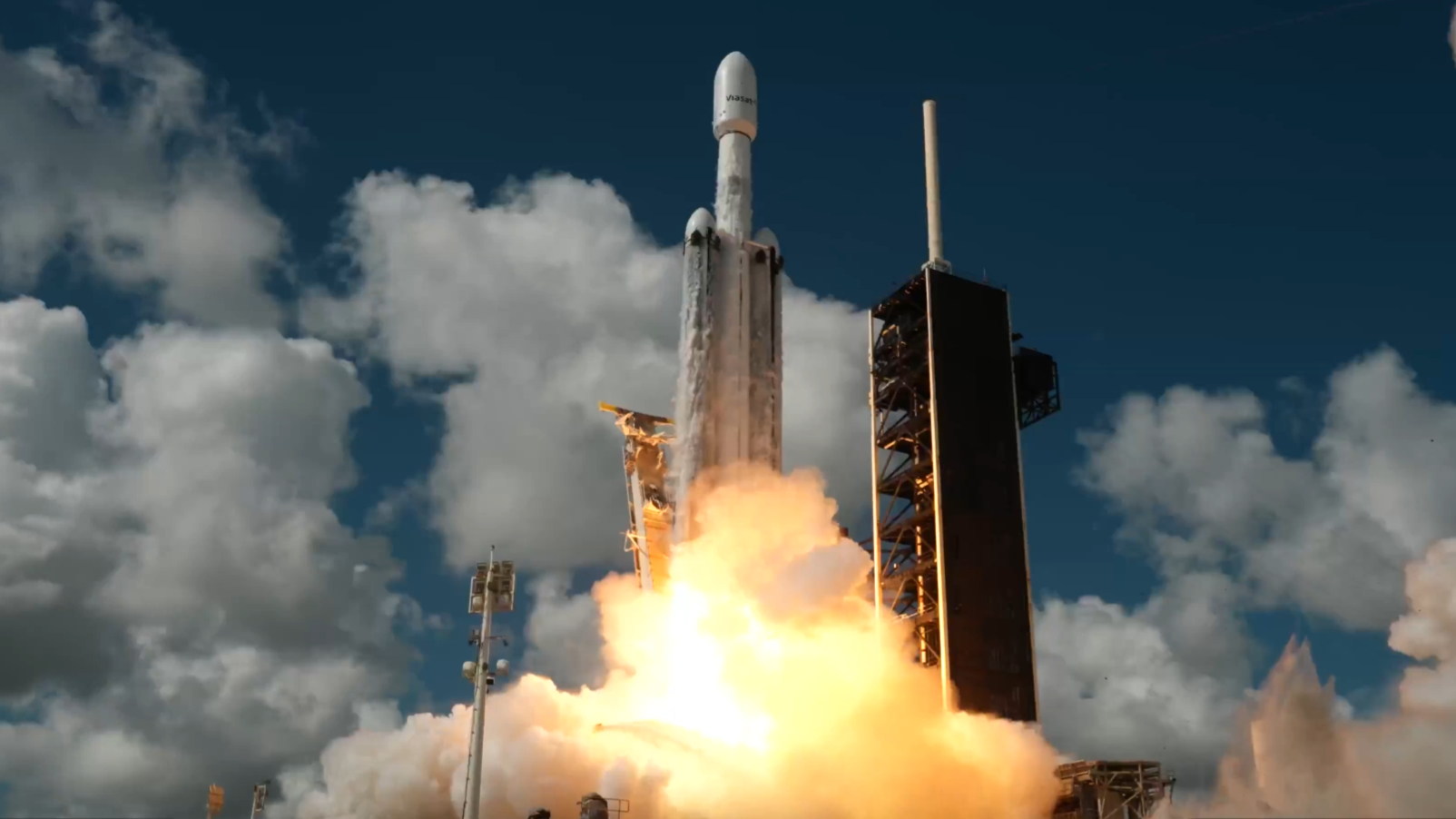
H3 Launch Vehicle No. 6 lifted off from the Tanegashima Space Center in Kagoshima Prefecture at 9:53 a.m., according to the Japan Aerospace Exploration Agency, known as JAXA. The rocket reached its intended orbit about 16 minutes after leaving the pad, a smooth performance that helped ease the tension surrounding the mission.
The launch had originally been planned for Wednesday but was pushed back due to poor weather conditions, a common hurdle for space missions that depend on clear skies and stable atmospheric conditions.
Debuting a Cheaper, Booster-Free Design
What made this Japan H3 rocket launch especially significant was the first flight of the rocket’s so-called “30 configuration.” This variant strips away the solid rocket boosters entirely, relying instead on three first-stage liquid-fueled LE-9 engines to do the work.
By going booster-free, the configuration is expected to be the most affordable model in the entire H3 lineup. For a program built around the idea of cutting costs while staying reliable, proving this design in flight was a major milestone.
JAXA President Hiroshi Yamakawa underscored that goal at a news conference held Friday afternoon. He emphasized that the agency would stay alert and keep working to make Japan’s space transportation system both more dependable and more competitive on the world stage.
Why the H3 Program Matters
The H3 represents Japan’s next-generation workhorse rocket. Developed jointly by JAXA and Mitsubishi Heavy Industries, or MHI, it was designed to replace the older H-IIA and carry the country’s launch ambitions forward.
The thinking behind the program is straightforward. As global demand for satellite launches continues to climb, Japan wants a launch vehicle that is more flexible and less expensive to operate. The H3 is meant to fill exactly that role, giving the country a tool capable of handling a wide variety of missions without breaking the budget.
A Test Flight in Disguise
Unlike some earlier H3 missions, No. 6 didn’t carry a large operational satellite into space. Instead, the focus was firmly on gathering data and verifying performance. The main payload was JAXA’s Vehicle Evaluation Payload-5, or VEP-5, a dummy satellite built specifically to collect flight information and confirm that the rocket was behaving as expected.
The mission wasn’t entirely without practical cargo, though. Six small secondary satellites, developed by universities and other organizations, hitched a ride aboard the rocket. All six were successfully placed into orbit, adding a real-world success to what was largely a validation flight.
The Shadow of December’s Failure
This launch carried extra weight because of what happened before it. The previous flight, H3 No. 8 in December, ended in failure while carrying Michibiki No. 5, a quasi-zenith satellite that forms part of Japan’s positioning system, sometimes described as the country’s version of GPS.
During that mission, the rocket’s second-stage engine stopped burning earlier than planned. The premature shutdown prevented the satellite from reaching its intended orbit, dealing a serious blow to the program. The setback left Japan in a difficult spot, temporarily without a dependable way to send goods and equipment into space.
Against that backdrop, Friday’s success carried real significance. It served as an important comeback, helping restore confidence in the H3 series and showing that the rocket could handle a broader range of missions going forward.
Relief After a Long Wait
For the people behind the program, the successful flight brought a wave of relief after months of uncertainty. The emotional weight of the moment was hard to miss in the reactions from those involved.
MHI’s H3 project manager, Osamu Kitayama, captured the mood plainly when speaking to reporters. He reflected on how long the stretch since December had felt and admitted to feeling deeply relieved now that the rocket had performed as hoped. After a tense half-year, the result was a clear vindication of the team’s efforts.
A Packed Schedule Ahead
With confidence restored, JAXA and MHI are now looking ahead to a demanding lineup of missions for fiscal 2026. The planned payloads reflect just how central the H3 has become to Japan’s space ambitions. Among the missions on the calendar are:
- Michibiki No. 7, continuing the buildout of Japan’s positioning satellite network
- The HTV-X cargo transfer vehicle, designed to ferry supplies into space
- The Martian Moons eXploration probe, aimed at studying the moons of Mars
- A space domain awareness satellite for monitoring activity in orbit
- An information-gathering satellite
- The Engineering Test Satellite No. 9
This ambitious schedule signals that Japan intends to keep the H3 busy, using each mission to further prove the rocket’s reliability and versatility.
Looking Forward
The successful Japan H3 rocket launch represents far more than a single flight reaching orbit. It marks a turning point for a program that had been knocked back on its heels just months earlier. By debuting a lower-cost configuration and bouncing back from December’s failure, Japan has taken meaningful steps toward reviving its space development efforts.
As the country prepares for a crowded launch calendar in the months ahead, the message is clear. Japan wants the H3 to stand as a reliable, affordable, and competitive option in a global market that shows no signs of slowing down. Friday’s launch was an important first step in proving it can deliver on that promise.
Author