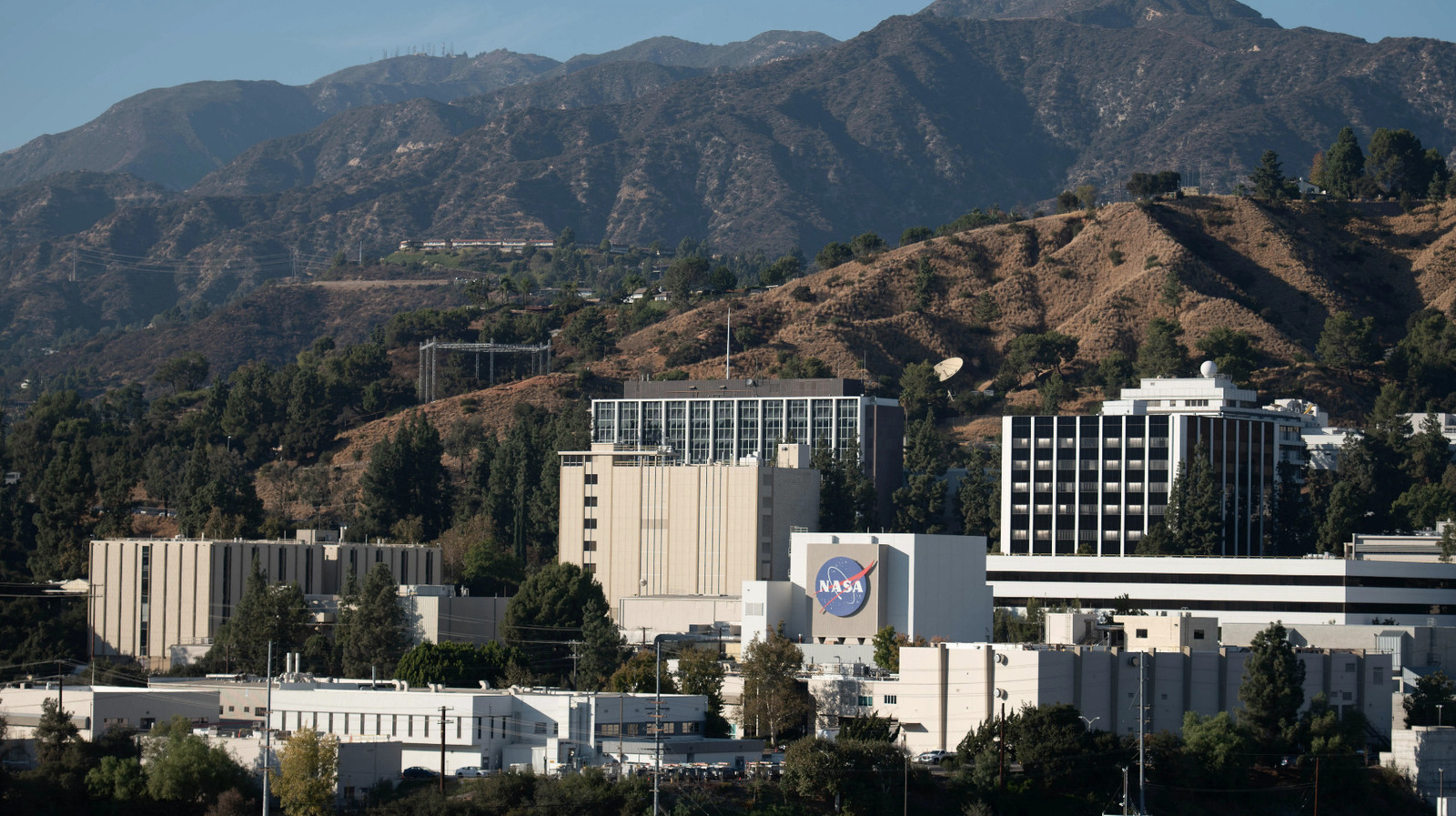
NASA JPL Contract Bidding 2026: Caltech Faces First-Ever Competition for Jet Propulsion Laboratory
The NASA JPL Contract Bidding 2026 announcement has stunned the space community and signaled one of the biggest organizational shifts in NASA’s modern history. For the first time ever, the contract to manage and operate NASA’s iconic Jet Propulsion Laboratory will be opened up to a competitive bidding process. The move forces Caltech, which has overseen JPL since 1958, to compete for control of the very institution it has nurtured for nearly seven decades.
It’s a major turning point in the future of one of the world’s most respected scientific organizations, and the implications stretch far beyond Pasadena.
A Historic Break From Tradition
Since NASA’s founding, Caltech has been the trusted partner responsible for running JPL, a facility known for revolutionary space missions, planetary exploration, and groundbreaking scientific discoveries. From early lunar probes to recent Mars missions, JPL has remained at the heart of America’s space program.
But now, NASA is changing the way it does business. The agency confirmed on Friday that the management contract for JPL — currently held by Caltech — will be put up for open competition for the first time in history. The decision marks a major shift in how NASA approaches partnerships with research institutions and private organizations.
In its official statement, NASA explained that the growing strength of the U.S. space economy has created new possibilities for competition. The agency believes that the time is right to explore whether other organizations can deliver effective management and operations support at JPL.
Why NASA Is Making This Change
The decision is part of a broader push by NASA to modernize, increase efficiency, and remove unnecessary obstacles to progress. NASA Administrator Jared Isaacman laid out the reasoning in a letter shared with the agency’s roughly 18,000 employees.
Isaacman emphasized that NASA is undertaking a major reorganization aimed at:
- Streamlining management across the agency
- Focusing resources on top-priority national space objectives
- Removing slow-moving bureaucratic processes
- Empowering top talent to deliver bolder results
- Speeding up the agency’s mission timelines
The contract bidding process for JPL is just one piece of a much larger transformation across NASA. The goal is to create an environment that operates more like the fast-moving private space industry, where companies like SpaceX, Blue Origin, and Rocket Lab have set new standards for innovation.
Caltech Responds With Confidence
Caltech, which has been the steady force behind JPL for decades, did not appear surprised by the announcement. In a joint statement, Caltech President Thomas F. Rosenbaum and JPL Director Dave Gallagher said the news was expected, and that the university is fully ready to compete and win the new contract.
Their message was clear — Caltech sees itself as the natural choice to continue managing JPL and is preparing to defend that legacy. The institution highlighted that over nearly seven decades, the Caltech-JPL partnership has led some of humanity’s most ambitious explorations of the universe.
The university also indicated that it has already put a strong team in place to develop a competitive proposal. They expressed confidence in their ability to navigate the competitive process and uphold the standards JPL has maintained for generations.
What Makes JPL So Important
The Jet Propulsion Laboratory is not just another federal research facility. It is one of the most influential scientific institutions in the world, responsible for many of NASA’s most ambitious missions. Some of JPL’s most notable achievements include:
- Sending rovers to Mars, including Curiosity and Perseverance
- Developing the Voyager spacecraft that have entered interstellar space
- Building the Hubble Space Telescope’s successor technology
- Designing planetary defense systems for asteroid threats
- Leading missions to Saturn, Jupiter, and the outer solar system
The lab’s work has helped redefine what humanity knows about space, planets, and the universe. Its scientists, engineers, and mission designers are considered among the most talented in the field.
A Contract Worth Billions
JPL’s current 10-year contract with NASA is one of the largest in the agency’s history. The deal, which runs through September 30, 2028, is valued at up to $30 billion. Given the size and complexity of the contract, opening it up to competition is no small move.
This decision could attract major attention from:
- Private aerospace companies
- Other research universities
- Engineering and defense contractors
- Multi-disciplinary tech firms
- International collaborators
Companies like SpaceX, Lockheed Martin, Northrop Grumman, and Boeing have all built strong reputations within the broader space industry. Whether any of them might bid for the JPL contract remains to be seen, but the new competitive process makes it more likely than ever before.
How Caltech and JPL Built Their Legacy
JPL was founded back in 1936 by a group of Caltech researchers experimenting with rocket propulsion. After joining NASA in 1958, JPL evolved into one of the world’s most respected institutions for science and engineering. Some of the major accomplishments achieved during the Caltech-led era include:
- Exploration of every planet in our solar system
- Pioneering work in autonomous spacecraft
- Innovations in deep-space communication
- Cutting-edge robotics and mission design
- Decades of leadership in planetary science
JPL’s culture, deeply tied to academic excellence, has been a key reason for its long-running success. As Caltech faces a competitive contract bidding process, this legacy will play a major role in how it positions itself.
What This Means for the Future of NASA
NASA’s decision to open the JPL contract for competition is part of a much larger transformation taking place under the leadership of Jared Isaacman. The administrator is reshaping the way NASA operates, with the goal of creating a more agile and forward-looking agency.
Some of the key reforms announced this week include:
- A massive reorganization of NASA’s internal structure
- New incentives for innovation and rapid mission development
- A push to align with the National Space Policy
- More emphasis on private-sector partnerships
- Reduced bureaucratic processes that slow down progress
If successful, these reforms could redefine how NASA collaborates with universities, research labs, and private companies in the years ahead.
A Competitive Landscape Is Emerging
The growing momentum of the commercial space sector is one of the biggest forces shaping NASA’s decision. Private companies are now achieving milestones that were once exclusive to government agencies. SpaceX’s Starship development, Blue Origin’s lunar program, and the rise of new aerospace startups have all demonstrated that the space industry is more competitive than at any point in history.
With this new competitive environment, NASA appears to be ensuring that even its most prestigious institutions, like JPL, operate at the highest possible level. The competitive contract process is one way to make sure JPL continues to thrive in an industry that is evolving rapidly.
Why This Decision Matters Globally
JPL is not just a national treasure — it is a global scientific powerhouse. Its missions inspire millions of people around the world. The decision to open its management contract for competition signals that even legendary institutions must adapt to a changing world.
The impact of this move could affect:
- Future Mars exploration missions
- Planetary defense projects
- Deep space scientific research
- International collaborations
- Education and STEM workforce development
Whether Caltech maintains control or another organization steps in, JPL’s role in shaping the future of space exploration is certain to continue.
Final Thoughts
The NASA JPL Contract Bidding 2026 is a defining moment for one of the most important institutions in the history of space exploration. With Caltech preparing to defend its long-held leadership and NASA seeking to modernize and accelerate its mission outcomes, the next several years could reshape the future of JPL.
The competitive process will test ideas, innovation, and capability in ways that have never been seen at JPL. Yet no matter who eventually wins the contract, the lab’s mission will remain the same — exploring the unknown, pushing the boundaries of science, and inspiring the world.
As NASA enters a new era under bold leadership, the future of JPL stands as a symbol of how legacy institutions must evolve to keep pace with the rapid changes shaping the modern space age. The world will be watching closely as this historic competition unfolds.
Author