PlayStation Live Service Failure 2026: Sony’s Multiplayer Push Crumbles After Destiny 2 Shutdown
The PlayStation Live Service Failure 2026 has officially reached a level that even Sony cannot ignore. Despite winning this console generation against Xbox in terms of hardware sales, single-player exclusives, and brand strength, Sony’s massive push into the world of live service games has unraveled in dramatic fashion. With the shocking announcement that Destiny 2 will receive its final update in June, the company’s live service strategy now appears more chaotic than ever before.
What was supposed to be a multi-billion-dollar bet on the future of online gaming has turned into one of the most disappointing strategic missteps in the modern gaming industry.
The End of Destiny 2: A Major Blow
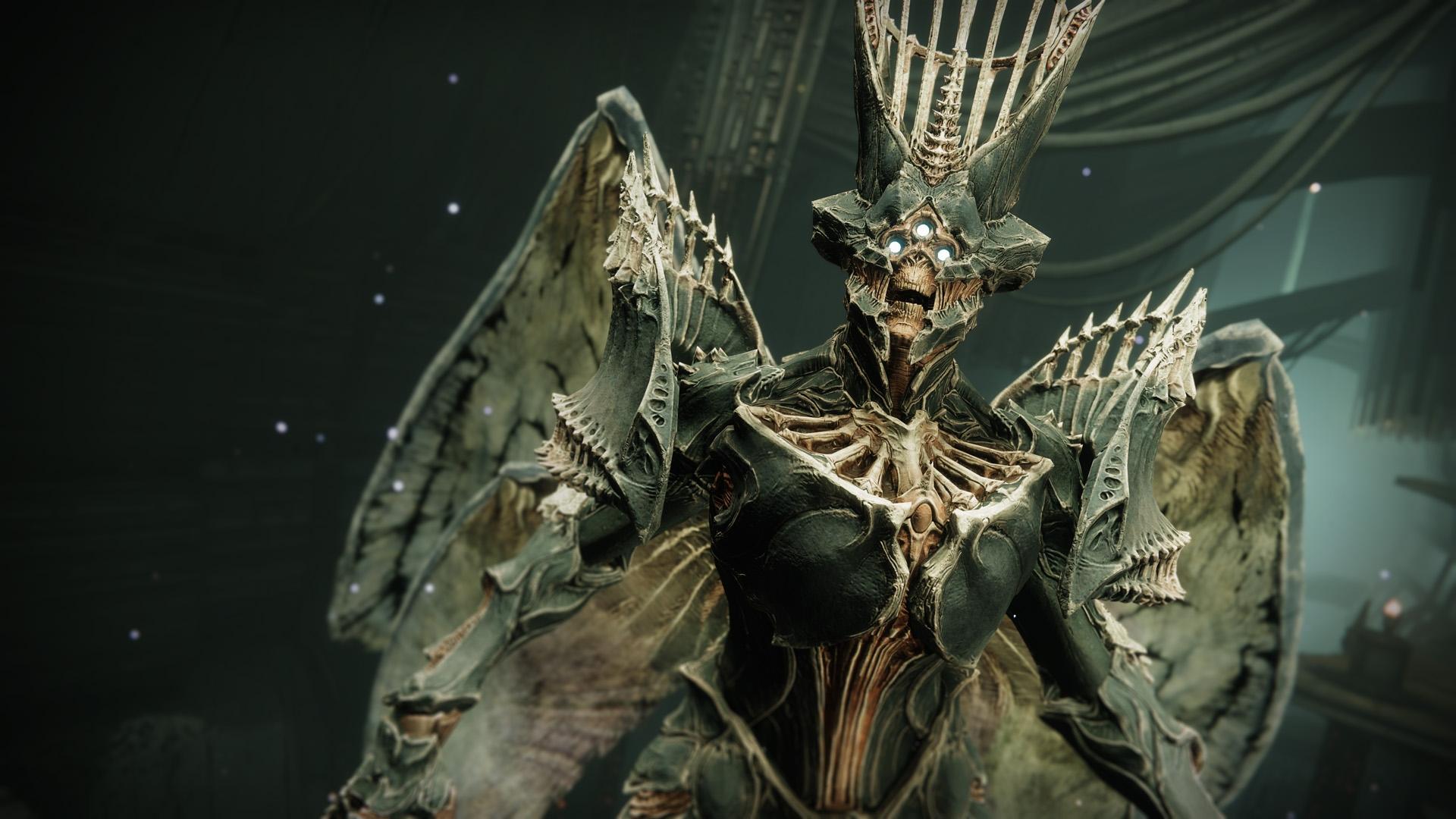
For years, Destiny 2 stood as one of Sony’s most prized live service investments, anchored by the legendary studio Bungie. After more than a decade of expansions, evolutions, and reinventions, Bungie has now confirmed that all future Destiny 2 content has been canceled. Even more shocking, the studio has no announced plans for Destiny 3.
This decision ends an 11-year saga that captivated millions of players globally. The shutdown is particularly surprising because Destiny 2 still maintained well over 150,000 daily players, even during periods with little to no new content. Many in the industry believe that ending the franchise now is a major misstep, especially when so many fans were holding out hope for a true sequel.
The lack of a clear roadmap raises troubling questions:
- Was Sony unable to find a path forward for Destiny 2?
- Why was Destiny 3 never greenlit despite the franchise’s massive history?
- What does this mean for Bungie’s future as a Sony-owned studio?
- Is Sony losing confidence in its biggest live service brand?
- Will fans ever see Destiny return in any form again?
For many gamers, this announcement is one of the most disappointing in recent memory.
Bungie’s Advisory Role Failed to Deliver
Sony’s purchase of Bungie was supposed to do more than secure the future of Destiny 2. The legendary studio was also tasked with advising other Sony studios on how to build successful live service games. Unfortunately, that effort hasn’t produced the desired results.
One of the most public examples was Bungie working with Naughty Dog on its long-rumored Factions multiplayer project. After receiving guidance from Bungie about the scope and commitment required to maintain a successful live service game, Naughty Dog ultimately decided not to move forward, and the project was canceled.
This pattern is a sign of a much bigger issue. Sony’s studios, known for delivering some of the best cinematic single-player experiences in the industry, may simply not be designed to handle the demands of ongoing live service development.
Concord: A Disaster That Made Headlines
If Destiny 2’s collapse was disappointing, Concord was an outright catastrophe. Concord launched as a flagship live service hero shooter, complete with massive marketing and reportedly hundreds of millions of dollars in development costs. Yet at launch, it failed to attract even 1,000 concurrent players on Steam.
After only two weeks, Sony shut the game down completely. Reports later revealed that the company truly believed Concord could become its next major IP — a vision that crumbled almost overnight. Concord is now widely seen as one of the most catastrophic game launches in gaming history.
Fairgame$: Years of Silence
Sony announced the heist shooter Fairgame$ back in 2023, but the game has produced almost no public updates since. Even more concerning, the studio’s leader Jade Raymond left some time ago, and recent reports suggest the project may be pivoting toward extraction shooter elements.
Many industry observers are now wondering whether Fairgame$ will ever launch. The lack of progress, the leadership departure, and the shifting design direction all point to a project still in chaos. The fact that it has not been canceled is surprising to many.
Horizon Hunters Gathering: A Misstep in Tone
Earlier in the year, Sony surprised fans by announcing Horizon Hunters Gathering, a cooperative live service game based on the Horizon franchise. The unique cartoonish art style and monster-hunting design were intended to make the spinoff stand out, but reactions to the reveal were almost universally negative.
Many fans of the Horizon series were perplexed by the decision to transform a beloved single-player IP into a cooperative live service experience. Horizon’s strength has always been its rich storytelling, cinematic world-building, and immersive characters, all of which feel directly opposite to the live service model.
The closed alpha is now underway, but skepticism about its future remains high.
God of War Multiplayer: Quietly Canceled
A multiplayer God of War project was once being developed by Bluepoint Studios, the team known for remakes like Shadow of the Colossus and the Demon’s Souls remake. However, Sony lost confidence in the project, leading to its cancellation. To make matters worse, Bluepoint Studios itself was shut down three months ago.
This decision raised eyebrows across the industry. Bluepoint had a strong reputation, and the studio’s closure highlights the broader instability inside Sony’s first-party operations.
Ghost of Yotei’s Legends Mode: A Quiet Success
One of the brighter spots in Sony’s multiplayer strategy has been the Ghost of franchise. The original Ghost of Tsushima introduced Legends, a beloved cooperative mode that allowed players to team up using the main game’s mechanics. The recent sequel, Ghost of Yotei, included a similar offering, which has been well received.
However, these modes were never intended to become long-running live services. In fact, the developers have already confirmed that no new Legends content will be released. While Legends remains a high-quality experience, it doesn’t address Sony’s larger problems in the live service space.
Helldivers 2: The Bright Spot That Isn’t Sony’s
Helldivers 2 has been the only major live service hit Sony has launched in recent years. The game initially exploded onto the scene with millions of players and viral popularity. Two years later, it has stabilized at around 10% of its launch player base, which is still respectable but far below its initial peak.
The bigger issue is that Helldivers 2 was developed by Arrowhead Game Studios — and Arrowhead is not actually owned by Sony. The studio has announced plans to self-publish its next game, meaning Sony cannot count on them indefinitely. Helldivers 2 may continue to perform well, but the long-term benefit to Sony’s strategy is uncertain.
Marathon: A Risky Bet With Disappointing Results
After Destiny 2’s shutdown, Marathon now stands as Sony’s most important first-party live service game. The Bungie-developed extraction shooter launched three months ago and has struggled to find its footing. Despite generally positive reviews from those who play it, the game’s player numbers are far below expectations.
Some of the key numbers tell the story:
- Marathon peaked at 88,000 Steam concurrents at launch
- It now hovers around 10,000 to 11,000 concurrent players
- Its player count is lower than Destiny 2 during its content drought
- The majority of players are on PC, not PlayStation
- Sony is moving many Destiny developers to support Marathon’s future
Sony has publicly stated its support for Marathon and plans to expand it with new PvP and PvE modes. However, the question remains — can Marathon truly become the flagship Sony needs?
Sony’s Single-Player Strength Remains Intact
Despite the live service struggles, Sony’s traditional strengths remain solid. Single-player titles continue to be the company’s strongest area. Some upcoming highlights include:
- Intergalactic: The Heretic Prophet, the next Naughty Dog adventure
- Insomniac’s long-awaited Wolverine game
- A major marketing partnership for the highly anticipated GTA 6
- The release of the powerful PS5 Pro, priced at $900
- A continued lineup of cinematic, narrative-driven AAA titles
These offerings represent the heart of PlayStation, and they continue to define the brand even as its live service ambitions falter.
What’s Next for Sony’s Live Service Future?
The big question now is how Sony plans to move forward. After failed launches, canceled projects, declining player bases, and shifting studio leadership, the live service push appears unsustainable in its current form.
Some of the major decisions facing Sony include:
- Should it continue investing in big budget live service games?
- Will it shift focus back to its proven single-player strengths?
- How will it handle Bungie’s future and the loss of Destiny?
- Should it pivot to smaller, more sustainable multiplayer offerings?
- Can Marathon really become the live service tentpole Sony needs?
The next year will likely determine the long-term direction of Sony’s strategy.
Final Thoughts
The PlayStation Live Service Failure 2026 has become one of the most surprising stories in modern gaming. From the death of Destiny 2 to the chaos around Fairgame$, the disappointing launch of Concord, and the underperformance of Marathon, Sony’s live service ambitions have suffered one setback after another.
While Helldivers 2 stands as a rare bright spot, the broader picture is troubling. Sony’s identity as a console powerhouse remains strong thanks to its cinematic single-player offerings, but its multiplayer dreams may need a complete rethink.
As the industry shifts and competition intensifies, the future of Sony’s live service strategy now hangs in the balance. Whether the company adapts, pivots, or pulls back entirely, one thing is clear — the next chapter of PlayStation’s online gaming push will be one of the most important in its history.
Author